
 Illustration
Does your flat roof need replacing?
A leak does not automatically mean a new roof. Understand repair, overlay and replacement before comparing quotations.
Read the guideKnowledge Centre
The property journalGood property decisions start with a clearer picture. Find practical guides to repairs, maintenance and improvements, with useful questions to ask before the work begins.
Find your next readIllustrationA leak does not automatically mean a new roof. Understand repair, overlay and replacement before comparing quotations.
Read the guide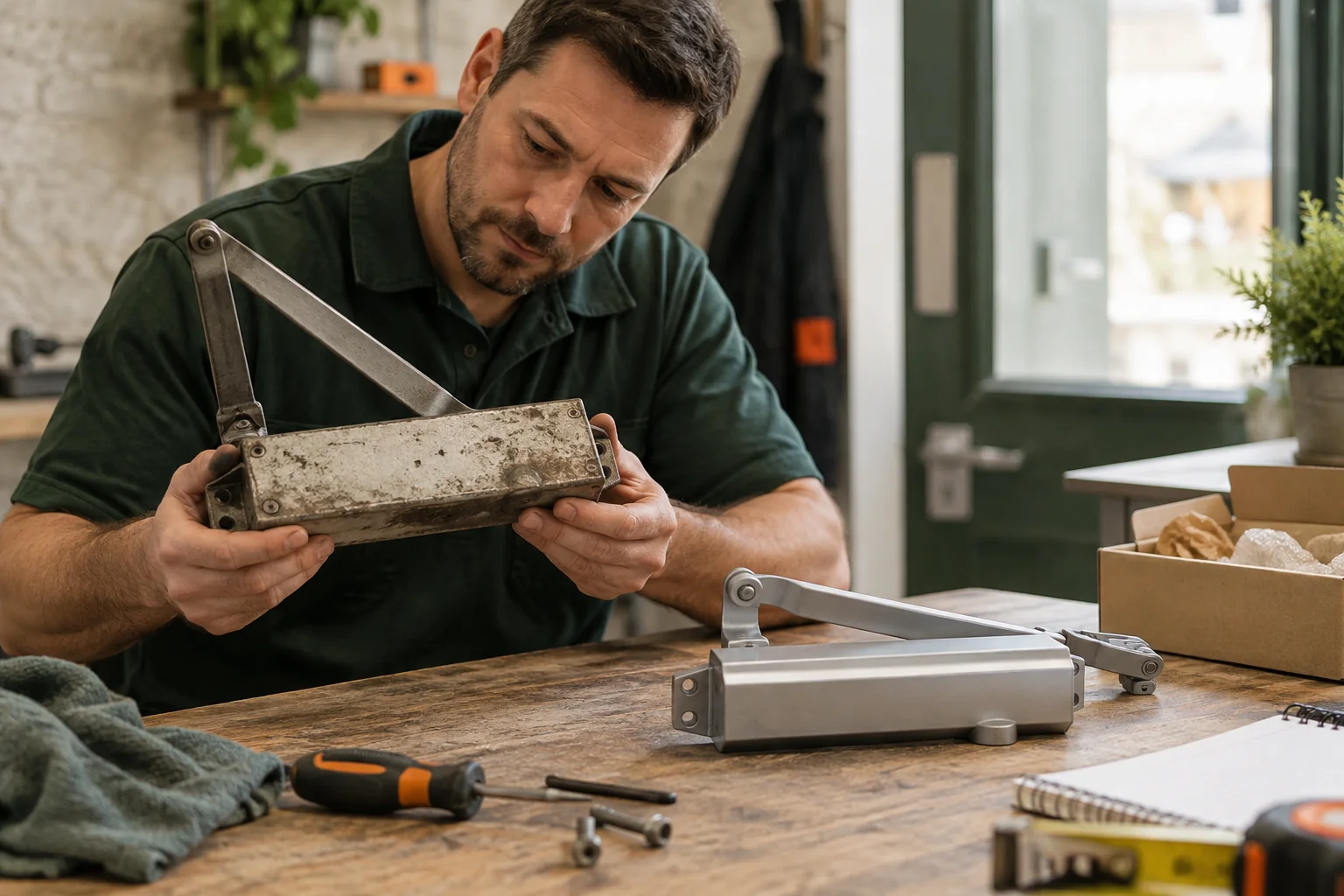
Look beyond the first price. Compare the work, the disruption and what you will be left with.
Read the guide Illustration
Build a refurbishment brief around the complete job, including preparation, access and the finishing touches.
Read the guideWorth a closer look
You do not need to diagnose the problem. A clear account and safely taken photographs are a useful place to start.
Organise the observations and questions to take into a property-condition discussion.
Start with where water appears, when it happens and the information that can help an investigation.
The reading room
Practical reading for the next decision.
Search by the job, the problem or the question.
99 guides to explore · Showing 12

Start with where water appears, when it happens and the information that can help an investigation.
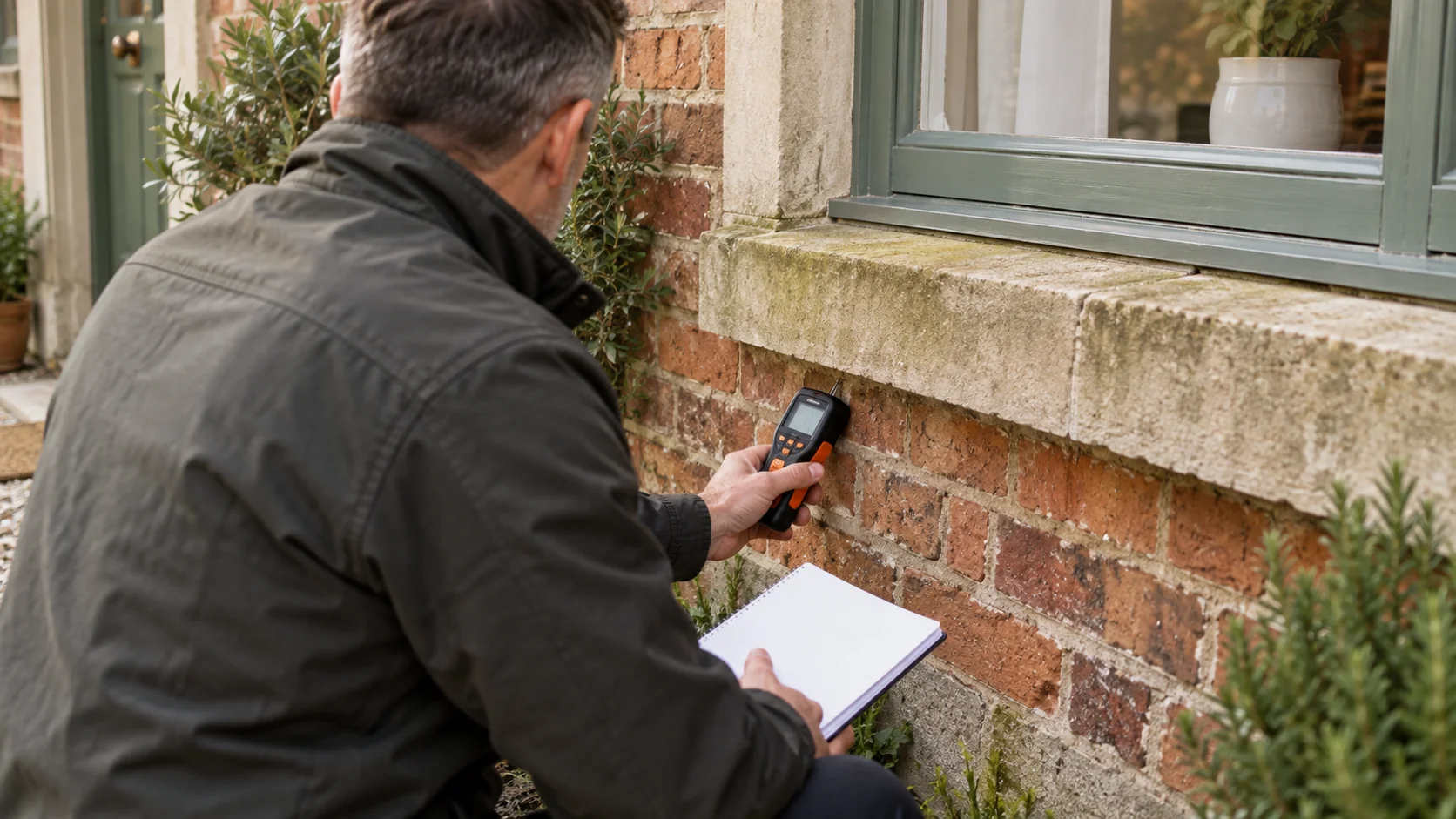
Know what to ask for in a property condition survey, what a visual inspection leaves out and how to use the findings to plan repairs.
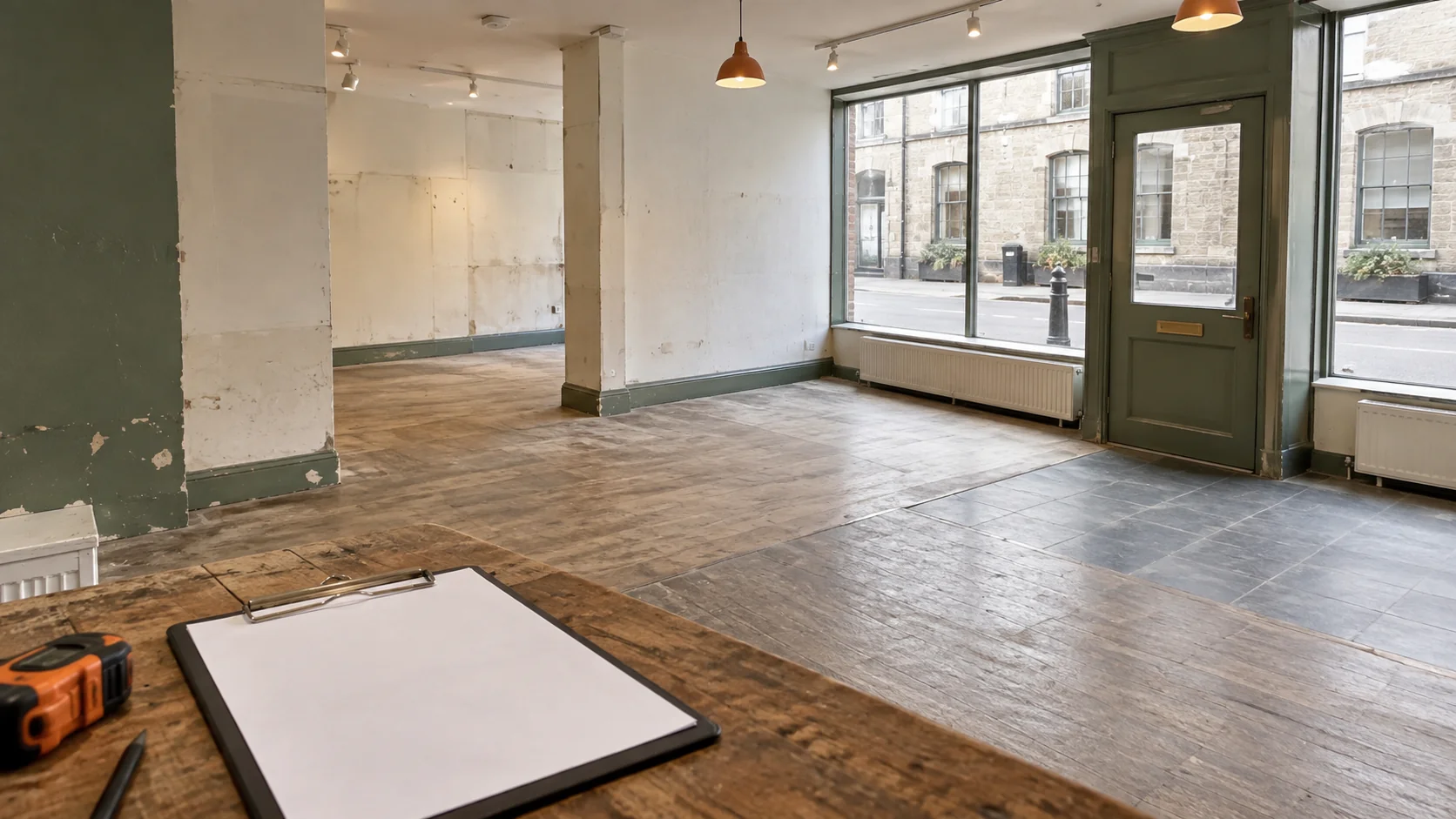
Understand how a dilapidation survey informs repairs and reinstatement, what to give a contractor and how to prepare for handover.

Prepare a clear building-fabric repair brief, decide what needs investigation and keep useful records of completed and outstanding work.
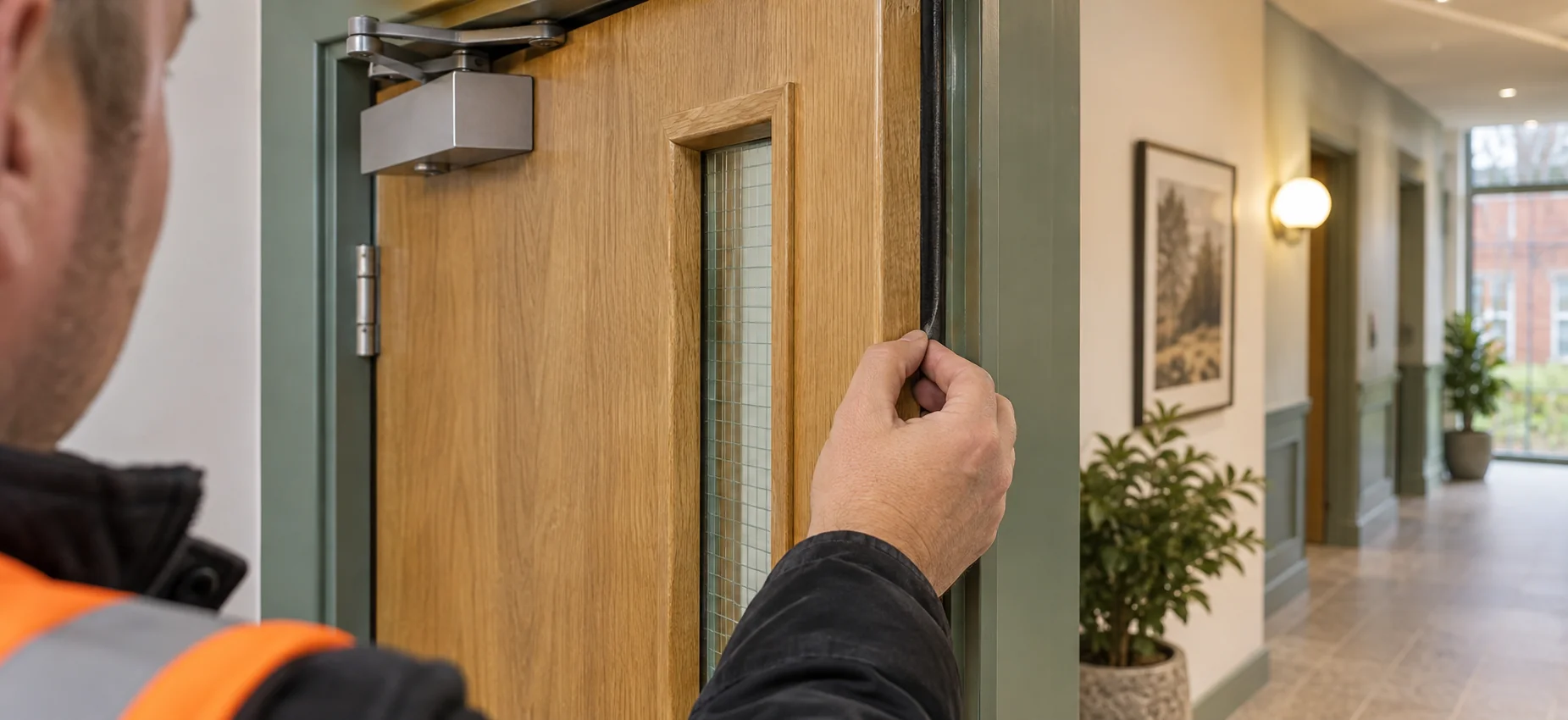
Find out what information supports a fire-door repair or replacement decision and what to request in the completion record.
IllustrationA leak does not automatically mean a new roof. Understand repair, overlay and replacement before comparing quotations.

Use this property handover checklist to check responsibilities, condition records, keys, operating documents and unfinished repairs.

Prepare your property for winter with checks on gutters, heating, exposed pipes, paths and the arrangements needed while it is closed.

Check the electrical paperwork for your property, follow up unresolved findings and prepare access for competent inspection or repair work.
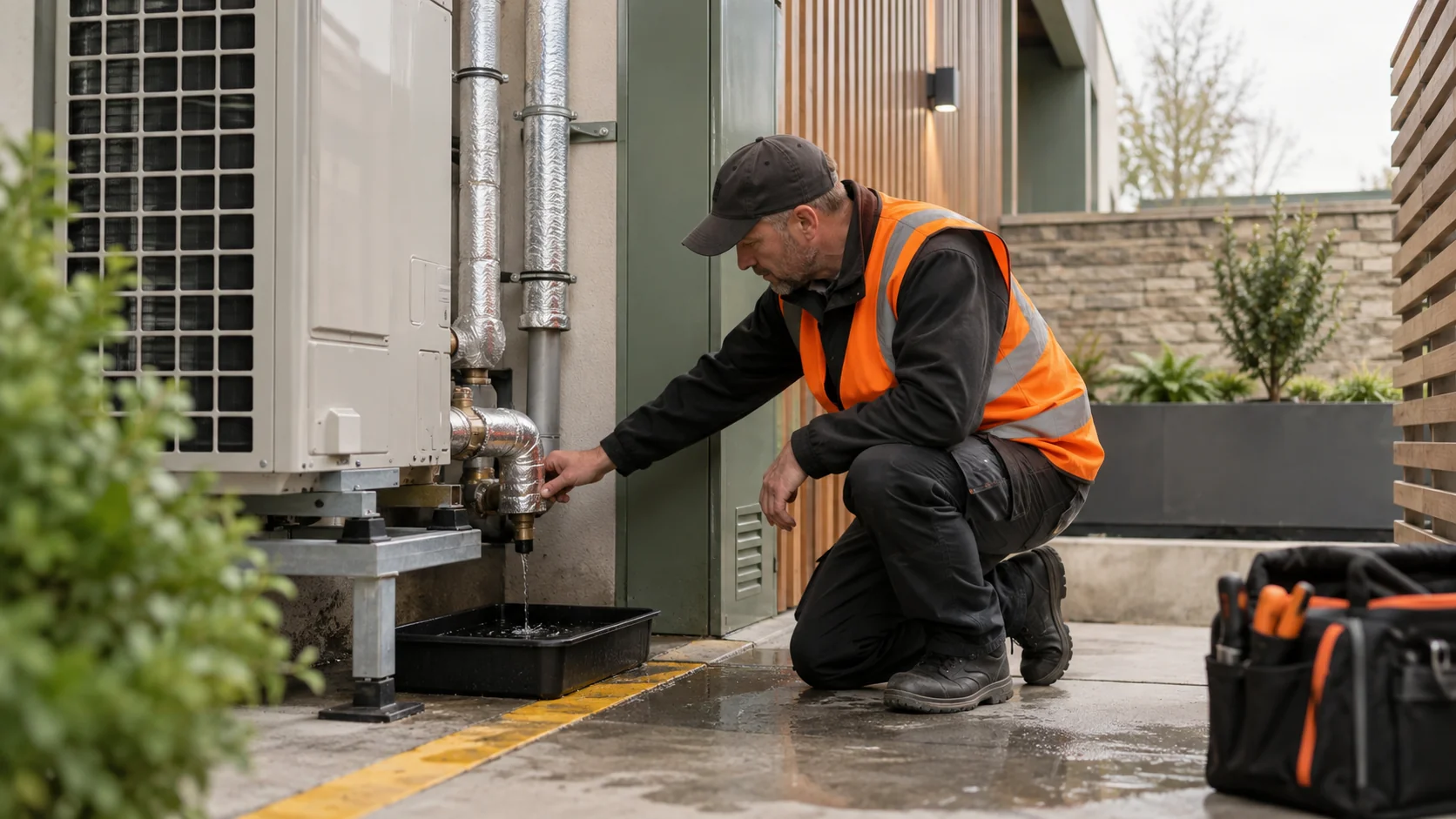
Know what to report during an urgent property fault, who can authorise attendance and what to ask after the immediate problem is controlled.

Check completed property maintenance, outstanding repairs and the access or budget decisions needed before next month.
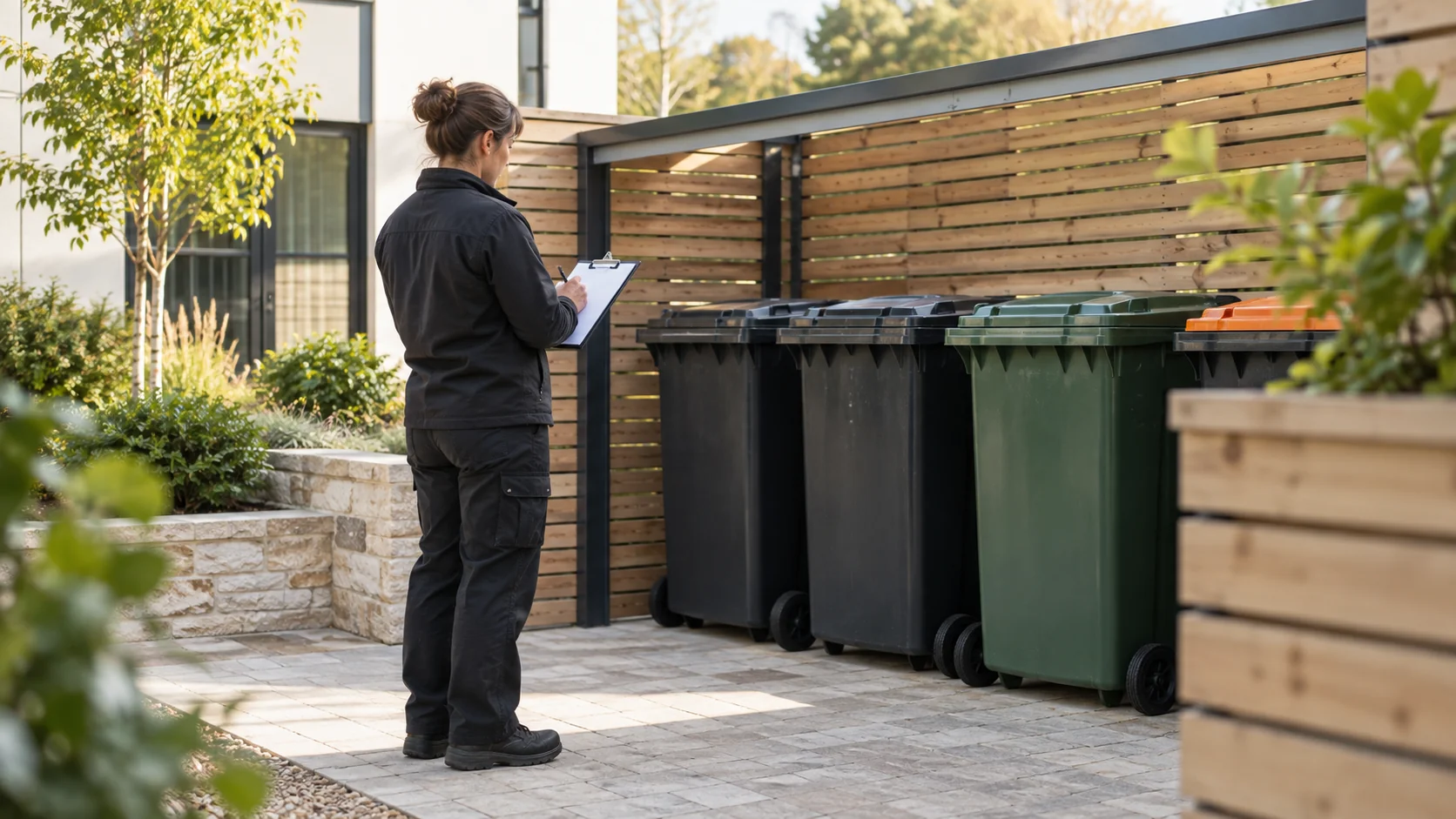
Arrange suitable bins, clear collection access and separate project waste removal for your property, with the contents agreed first.

Organise the observations and questions to take into a property-condition discussion.
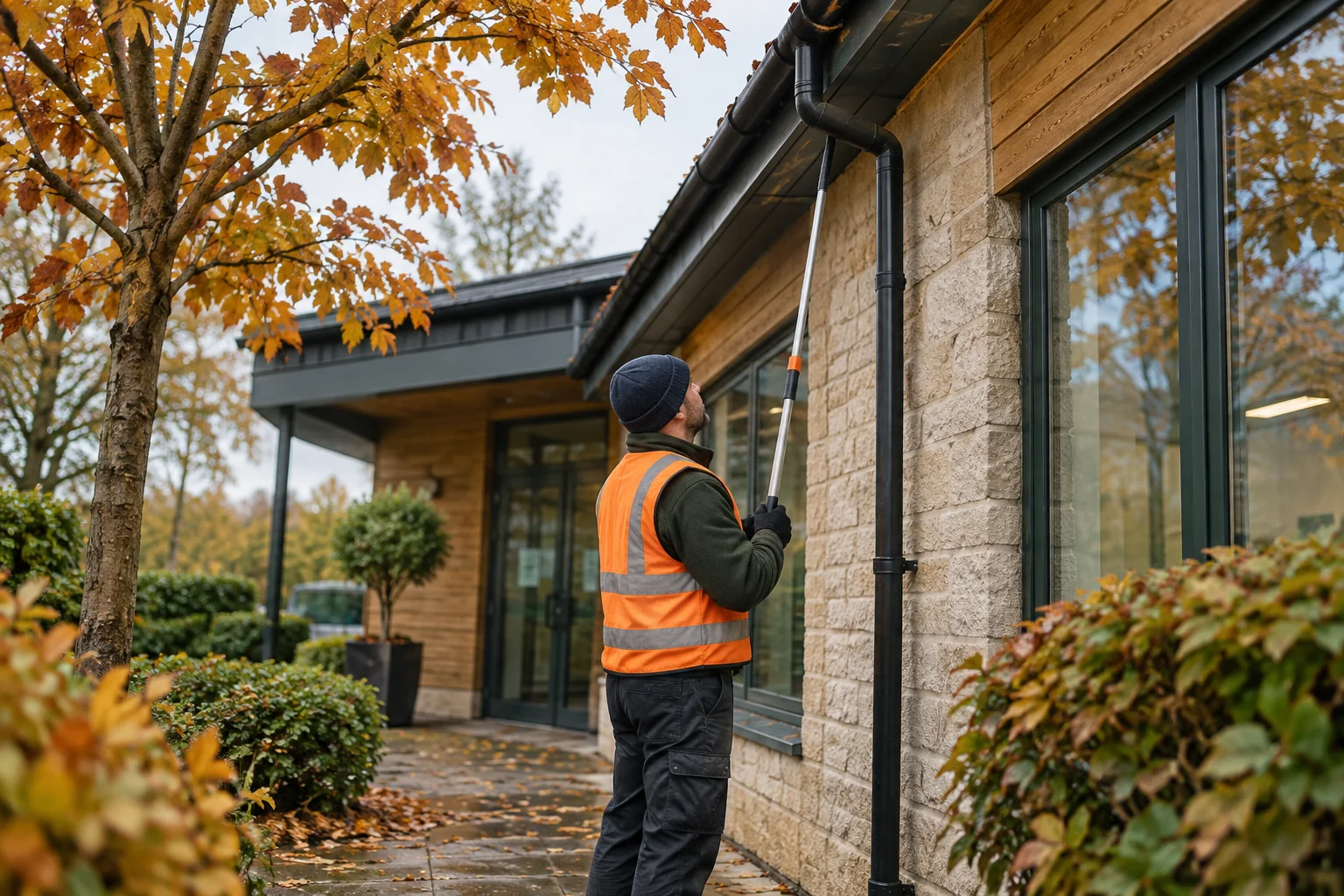
Plan outside property work for each season, from drainage and leaf clearance to winter access and storm damage.

Check shop handover, visible faults and outstanding work so the authorised operator can make the opening decision.
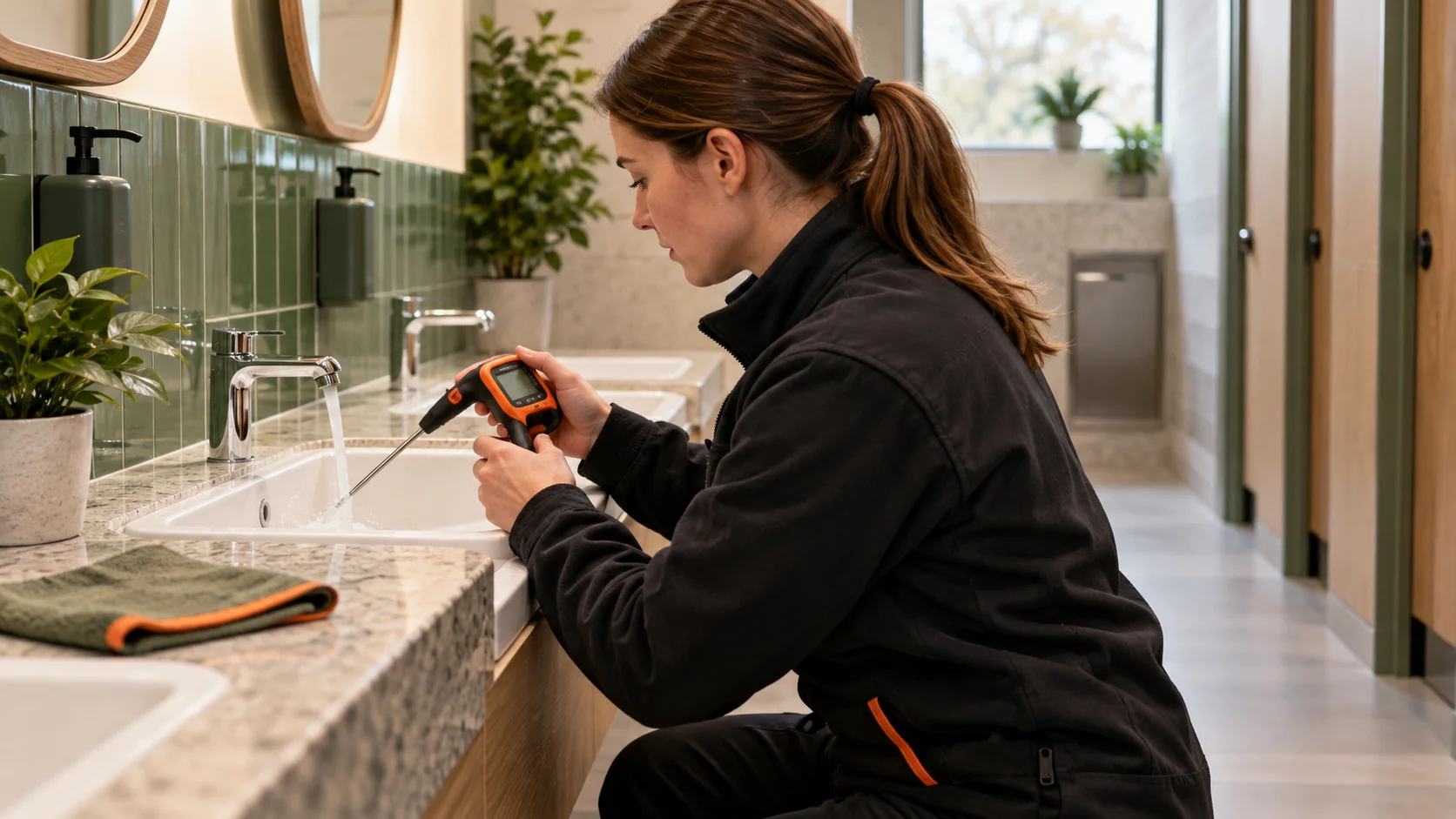
Keep water hygiene work, test results and unresolved defects connected to your property's assessment and control programme.
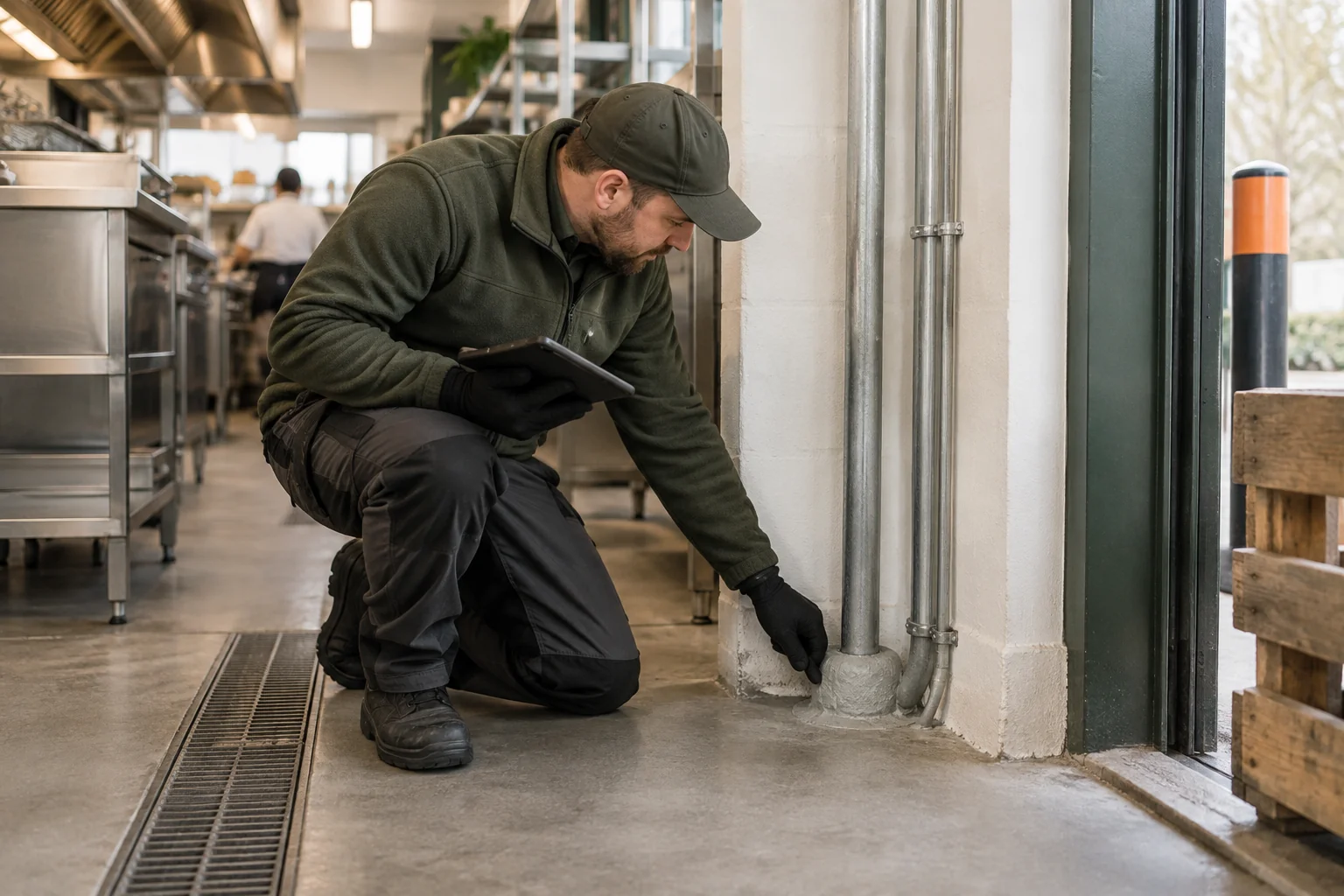
Prepare for a pest-control visit and agree treatment, proofing, follow-up and responsibilities for your property.

Check the rooms, tasks and frequency included in a cleaning quote, plus supplies, access arrangements and evidence of completed work.
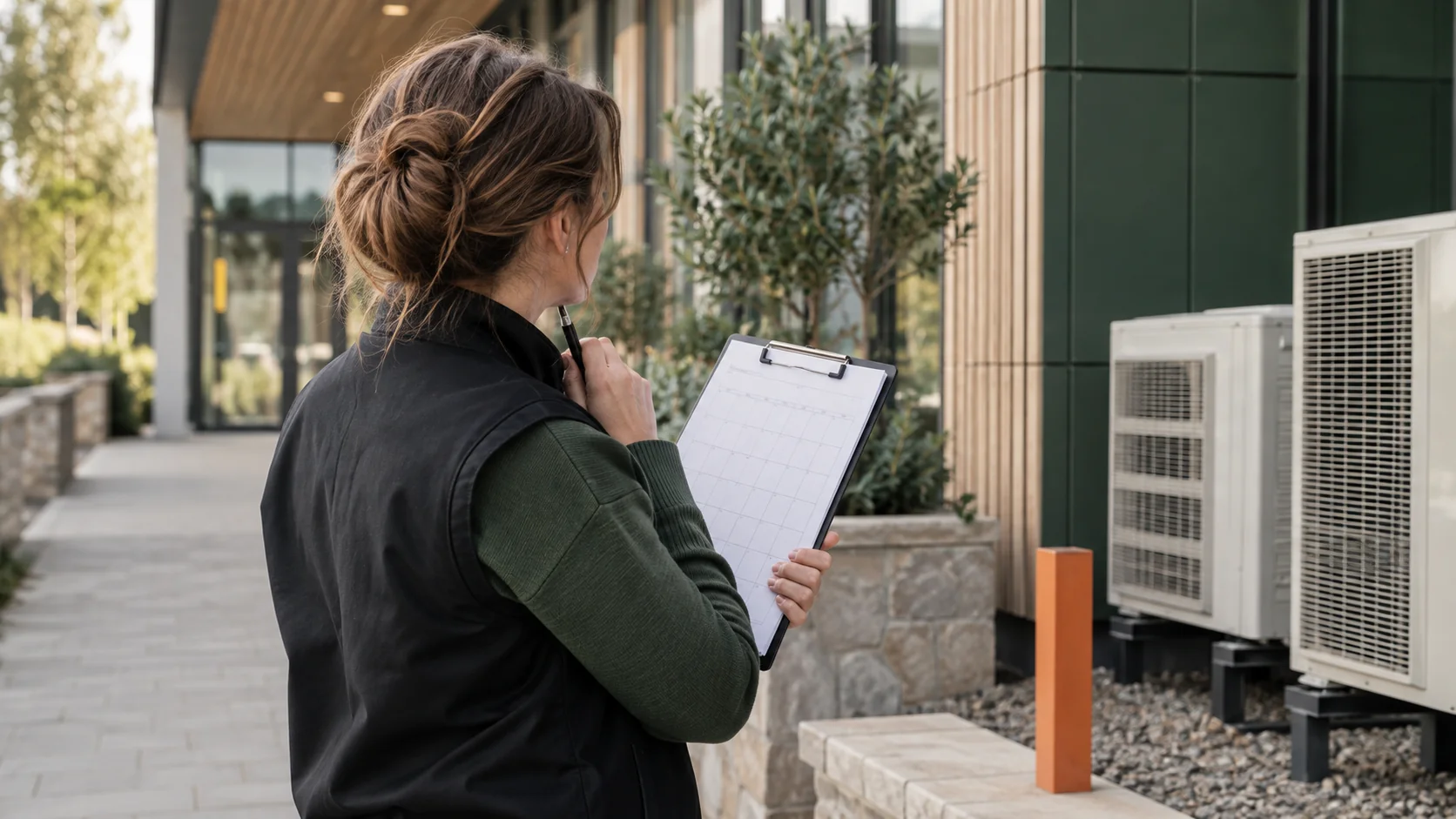
Identify required property maintenance, preserve deadlines and connect each completed visit with its records and outstanding repairs.

Follow property defects from the first report through decisions, repairs and evidence that the required outcome was achieved.
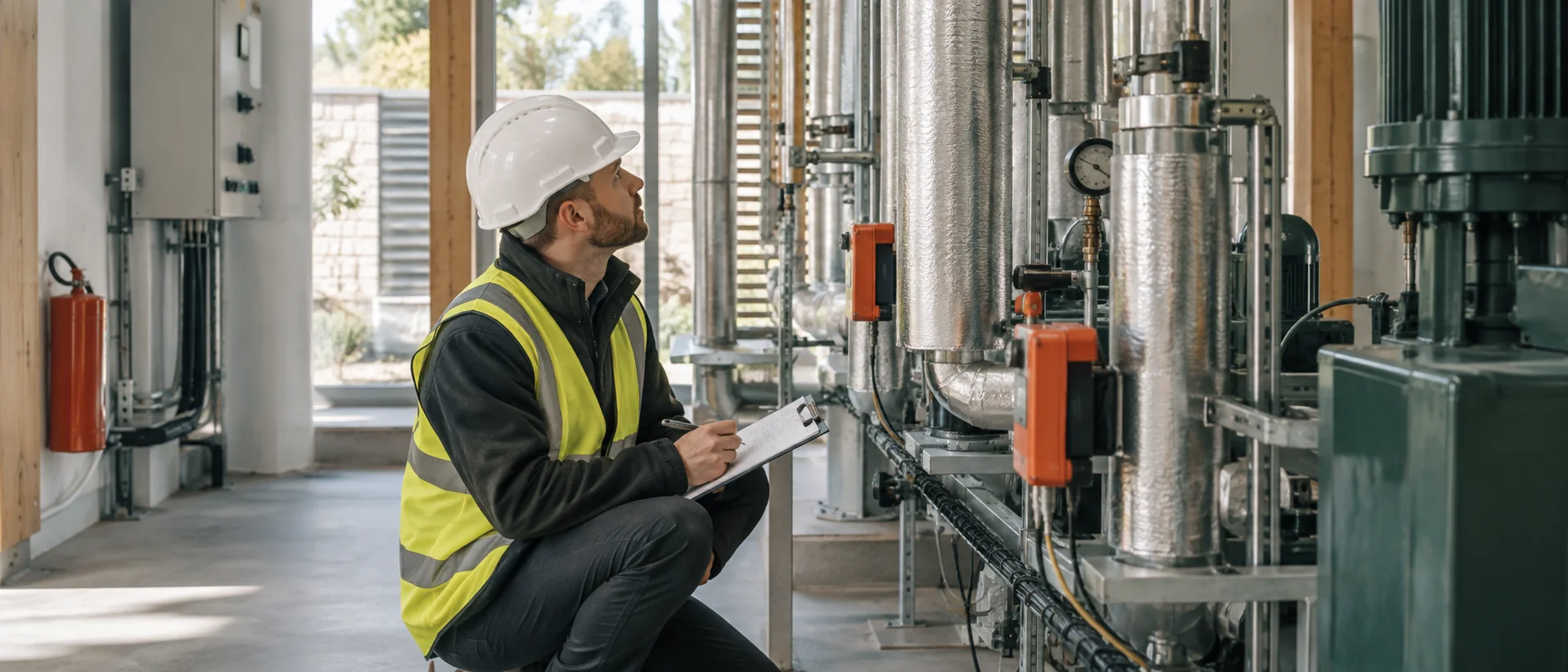
Work out which inspections your commercial property needs and keep required checks connected to their results.
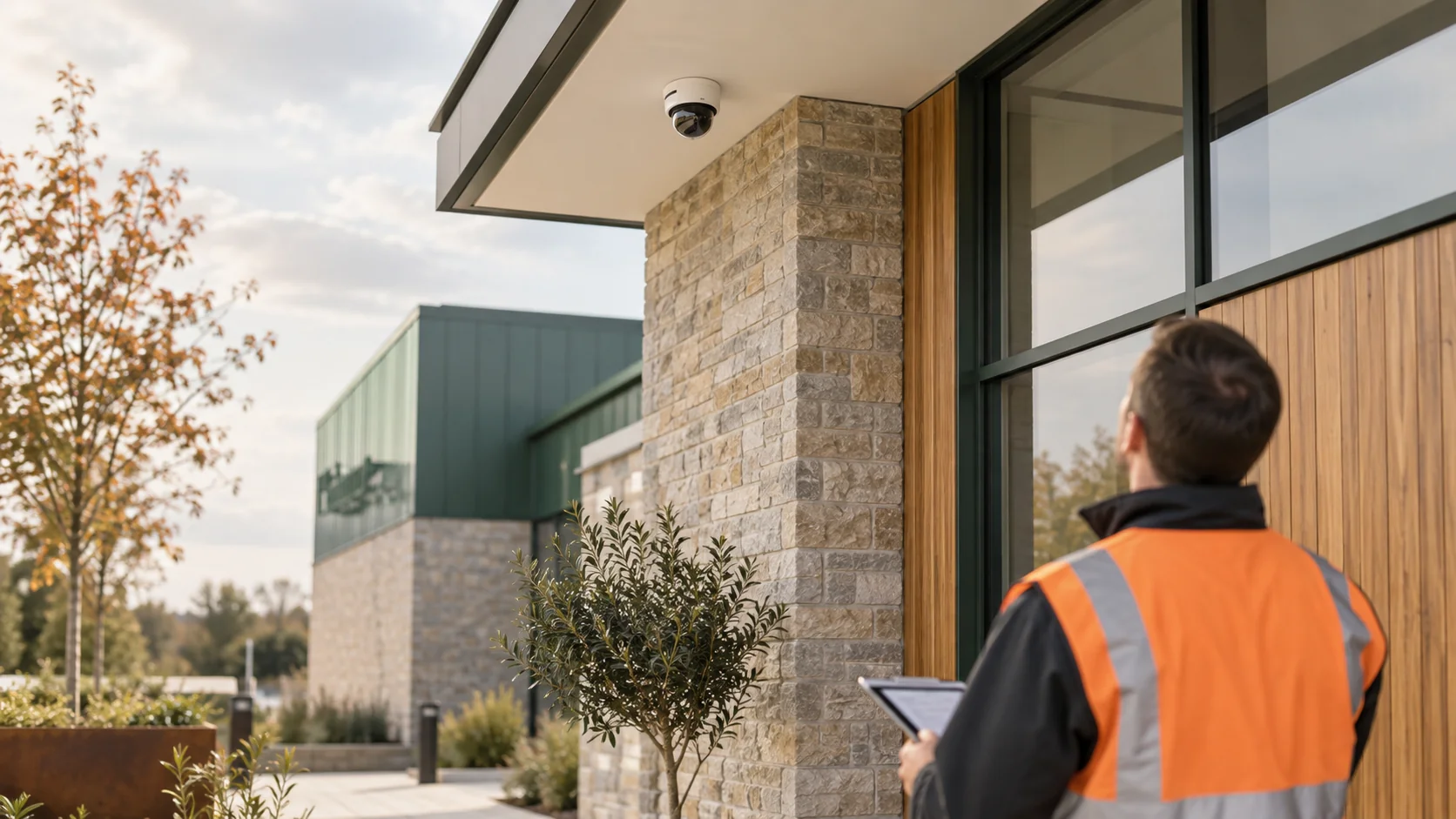
Check what a CCTV quote includes, from useful camera views and cabling to recording, handover and running charges.

Compare commercial boiler repairs and replacement with a clear scope for connections, disruption, controls and handover.
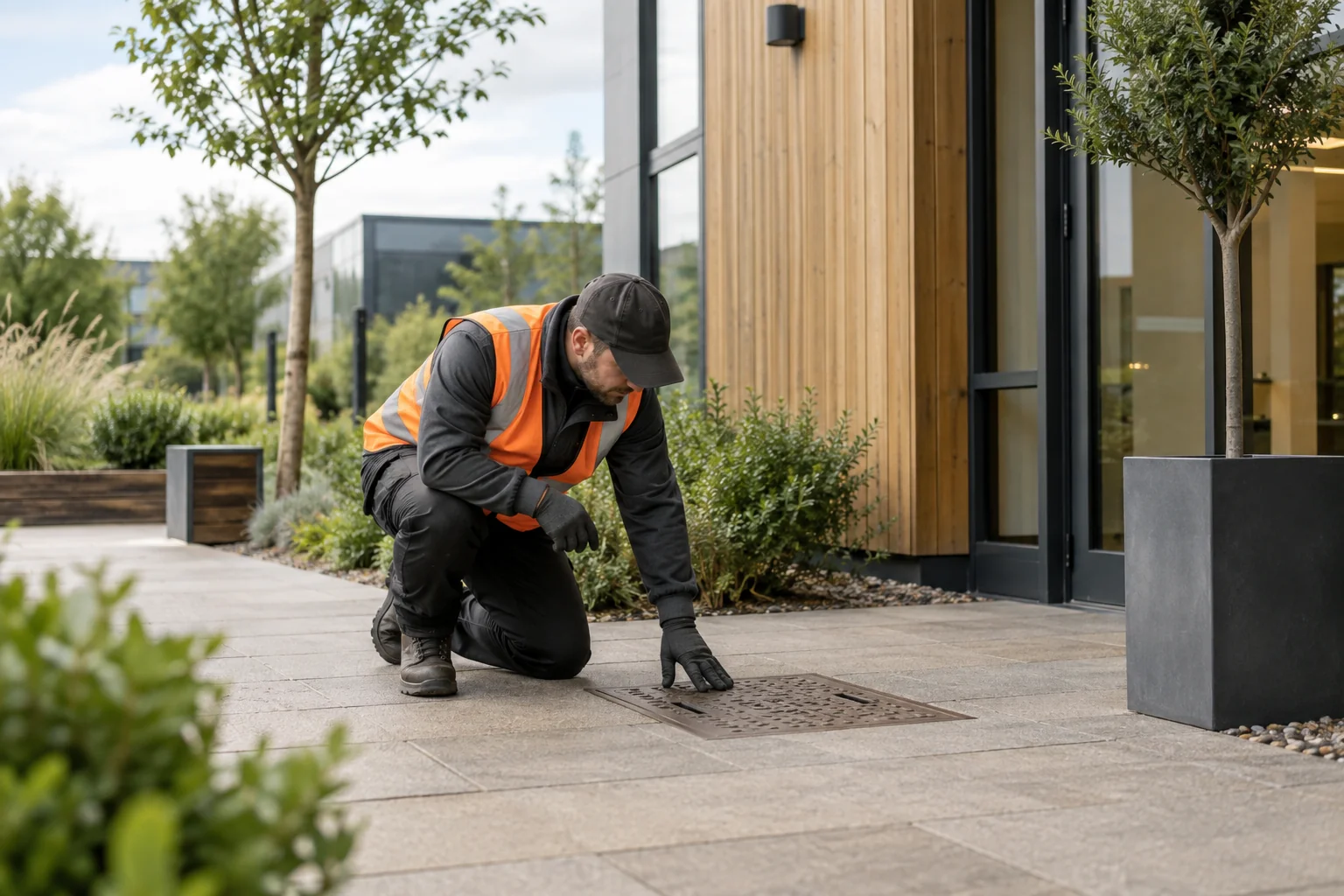
Understand what a drain-unblocking quote covers and when investigation, repairs or making good need a separate price.

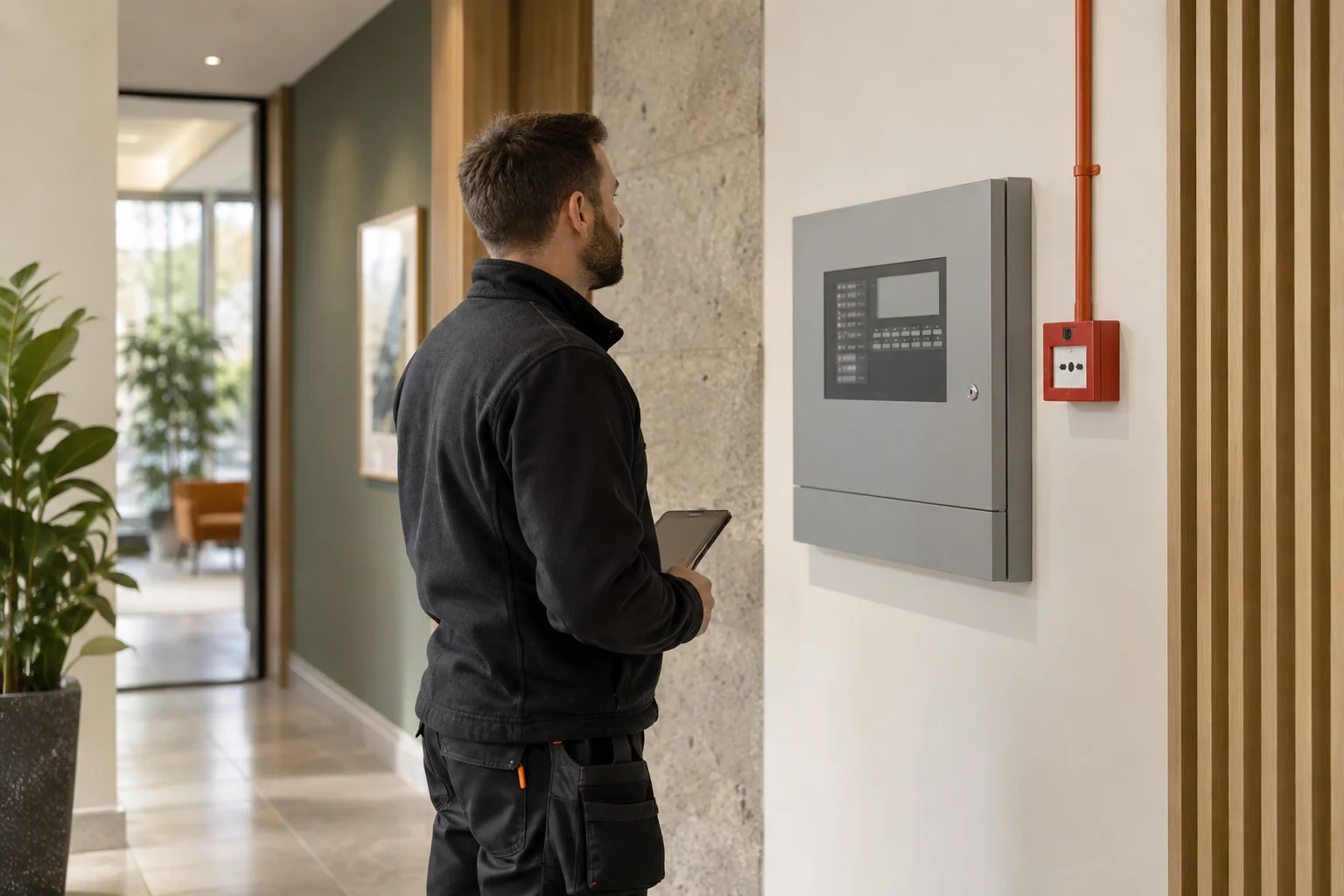
Check the scope, access and reporting behind a fire alarm service quote, including how additional repairs are approved.
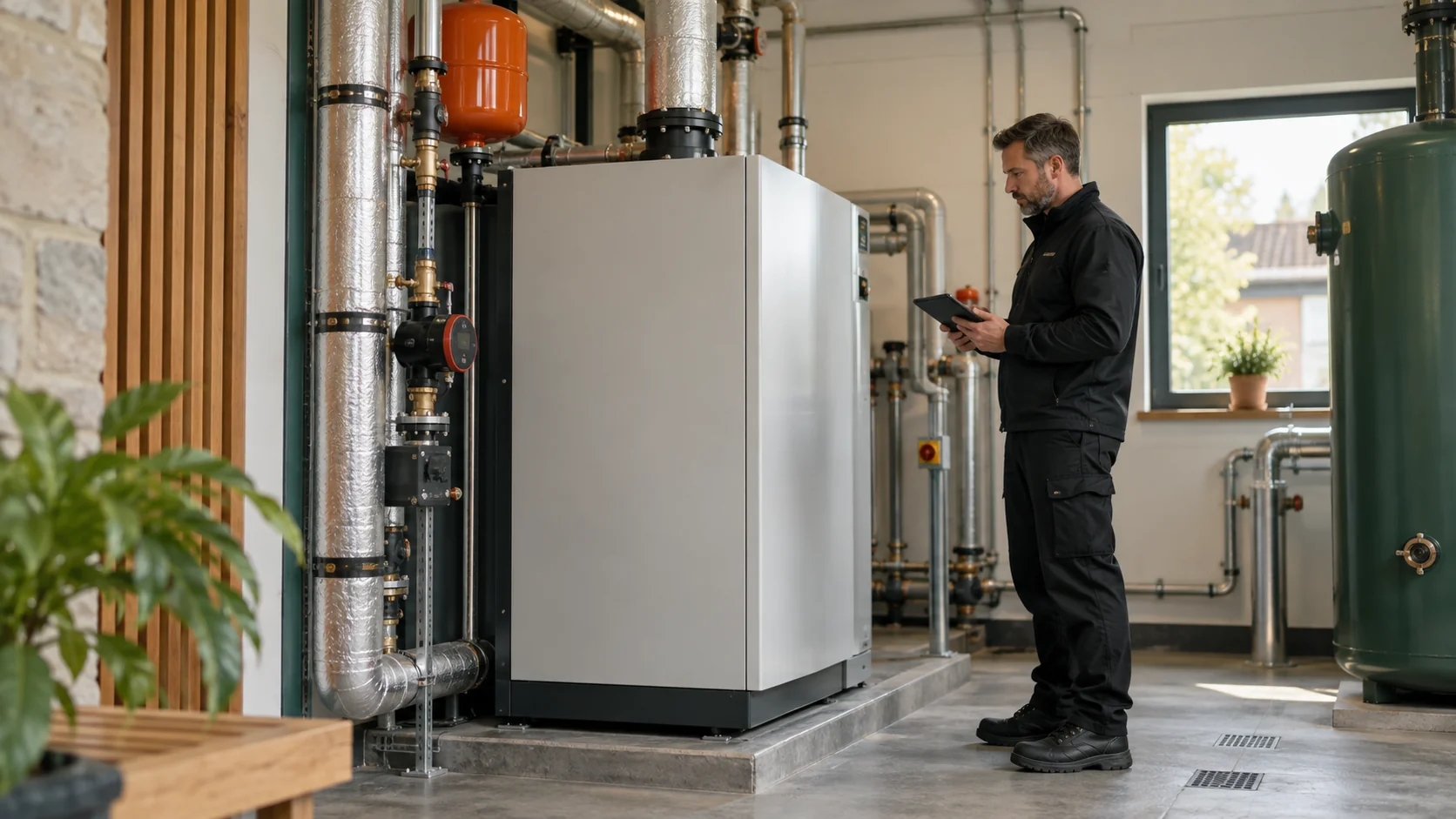
Plan an energy upgrade with clear costs, access arrangements, performance assumptions and a way to check the result.
Check what a planned maintenance price includes and compare visits, parts, access costs and additional repairs.
IllustrationBuild a refurbishment brief around the complete job, including preparation, access and the finishing touches.
Look beyond the first price. Compare the work, the disruption and what you will be left with.

Check call-out inclusions, repair cost factors and the approval needed if further work is found during a visit.
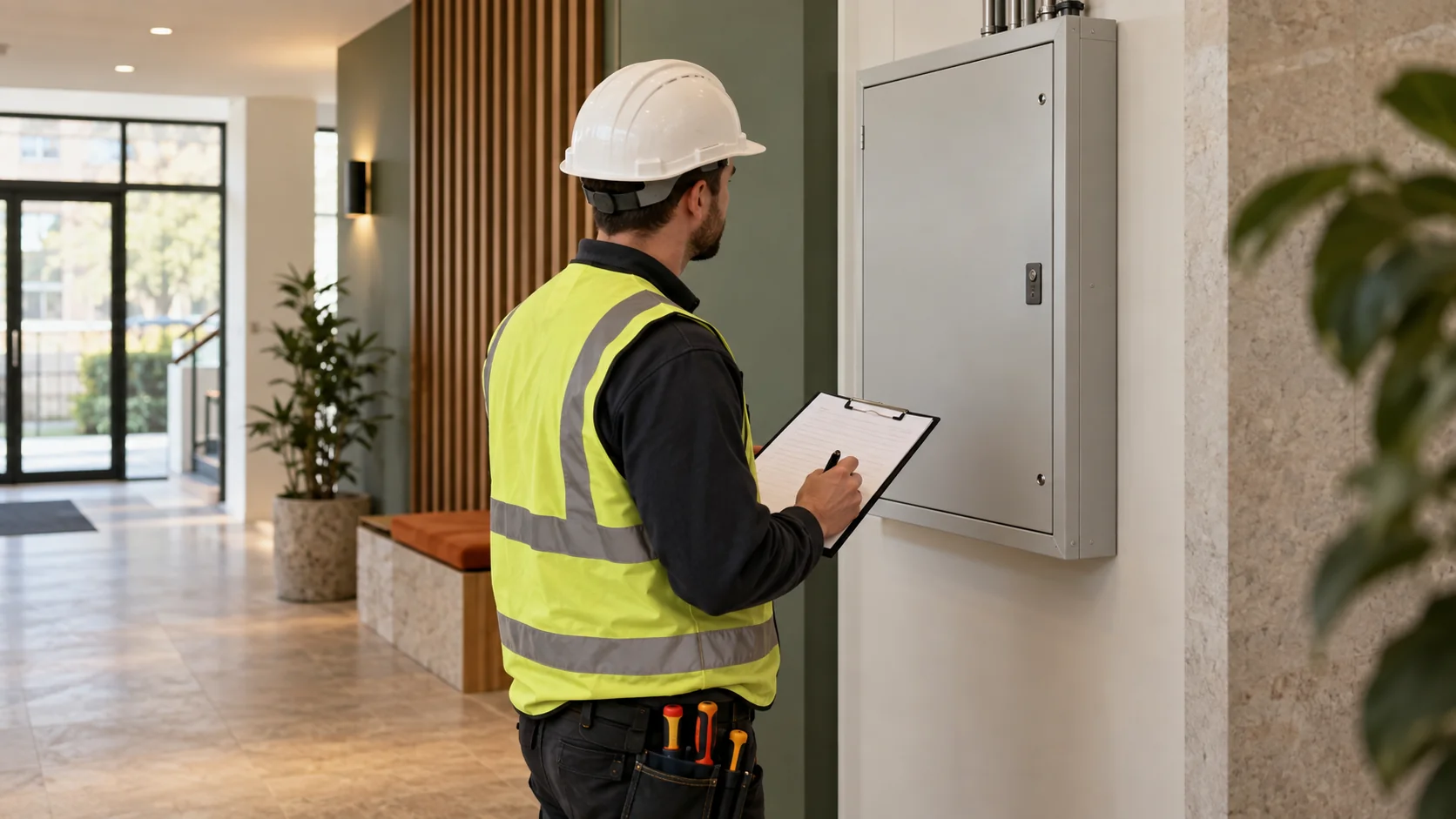
Establish the right EICR plan for your commercial property, recover useful records and follow up defects between inspections.

Set an emergency-light testing plan for your property, allowing for battery recovery, failed fittings and clear repair records.
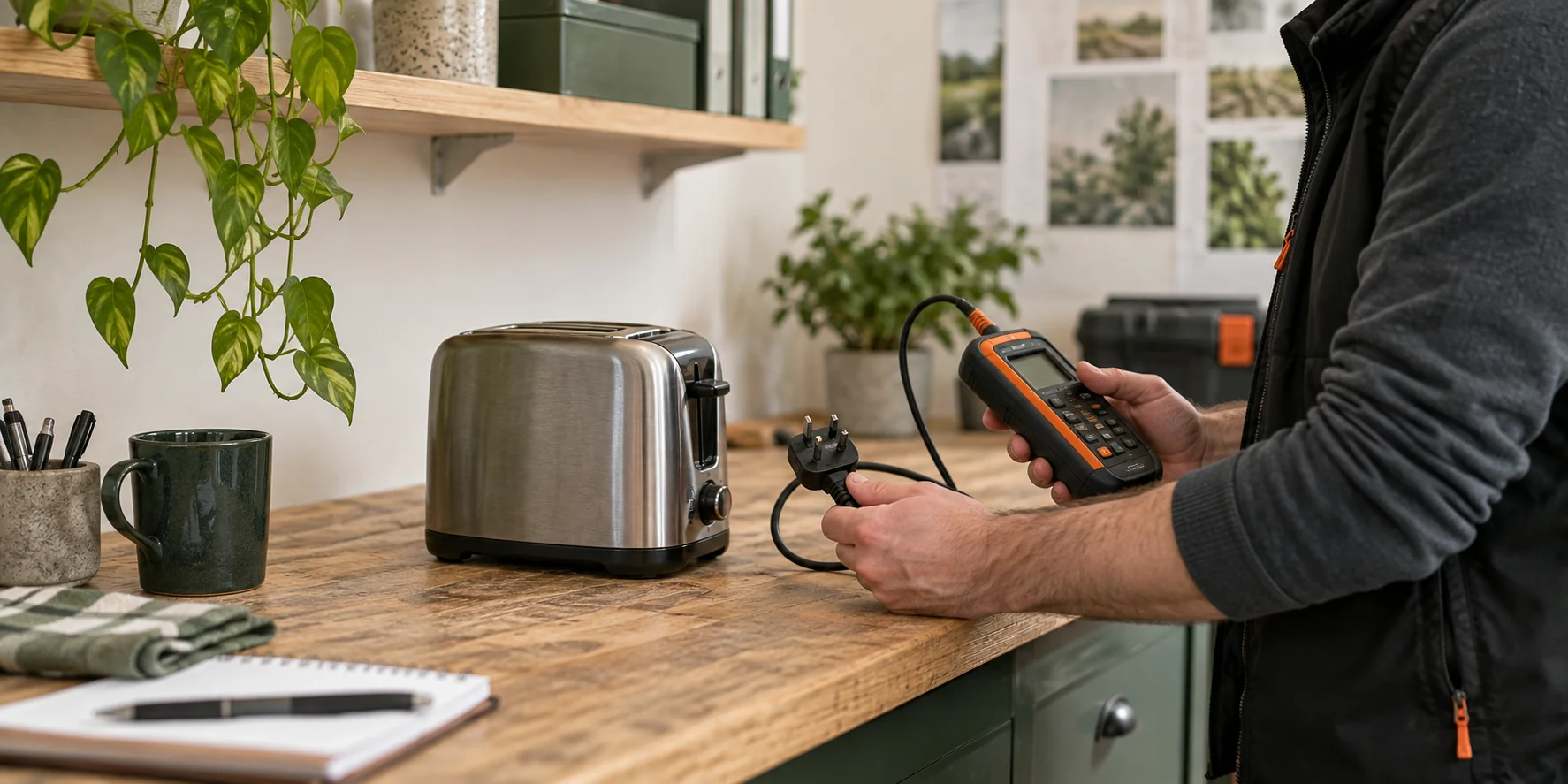
Organise appliance checks for your property without assuming annual testing, and keep failed or shared equipment accounted for.

Give an electrician useful details about recurring trips while keeping clear of damaged equipment and unsafe resets.

Prepare a lighting survey that explains poor visibility or failures and turns the findings into clearly scoped property work.
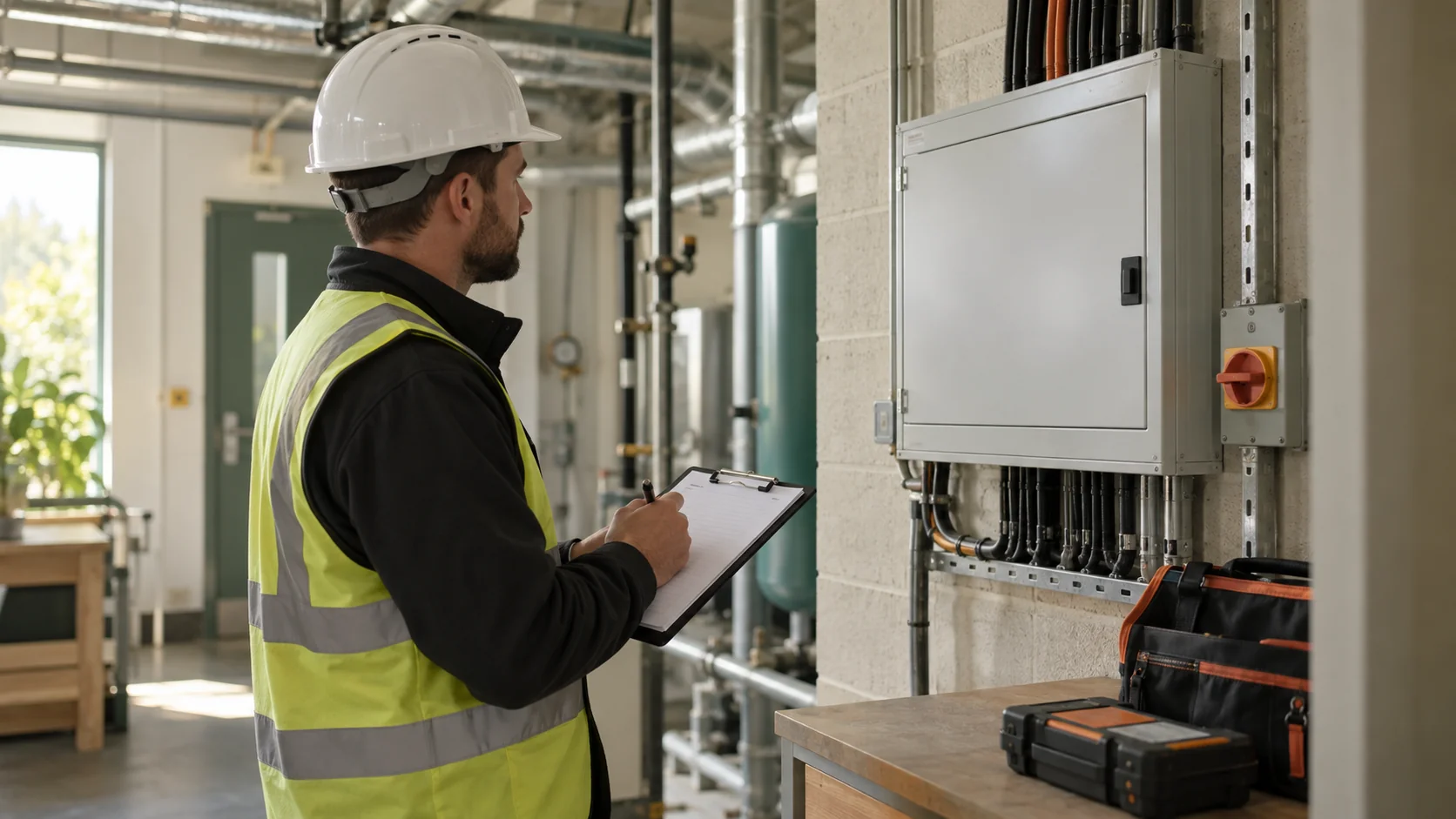
Understand EICR coverage, prepare for inspection and power interruptions, and follow the report through to completed repairs.
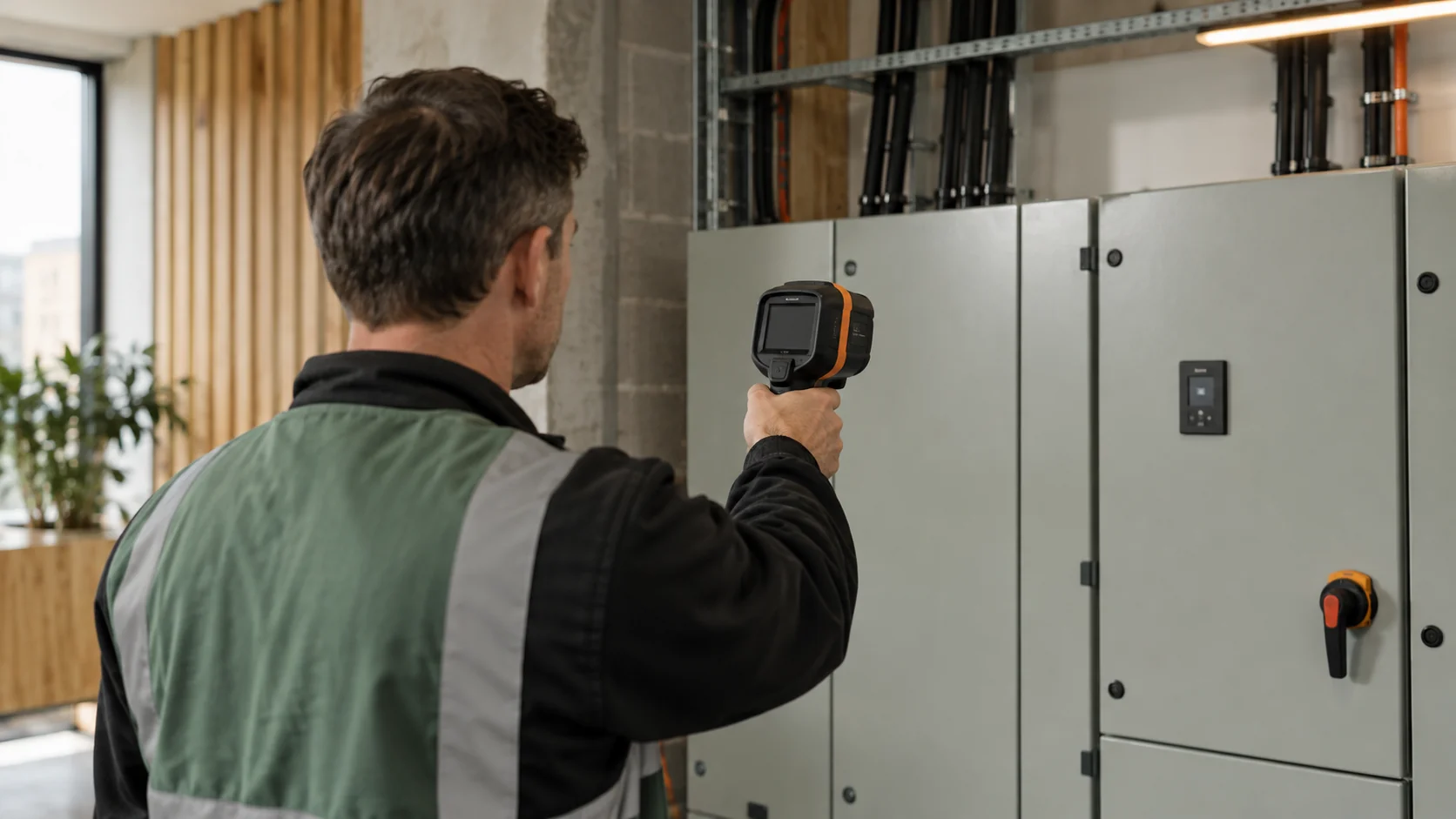
Understand what electrical thermal images can show, the access and load information needed, and how findings lead to repairs.
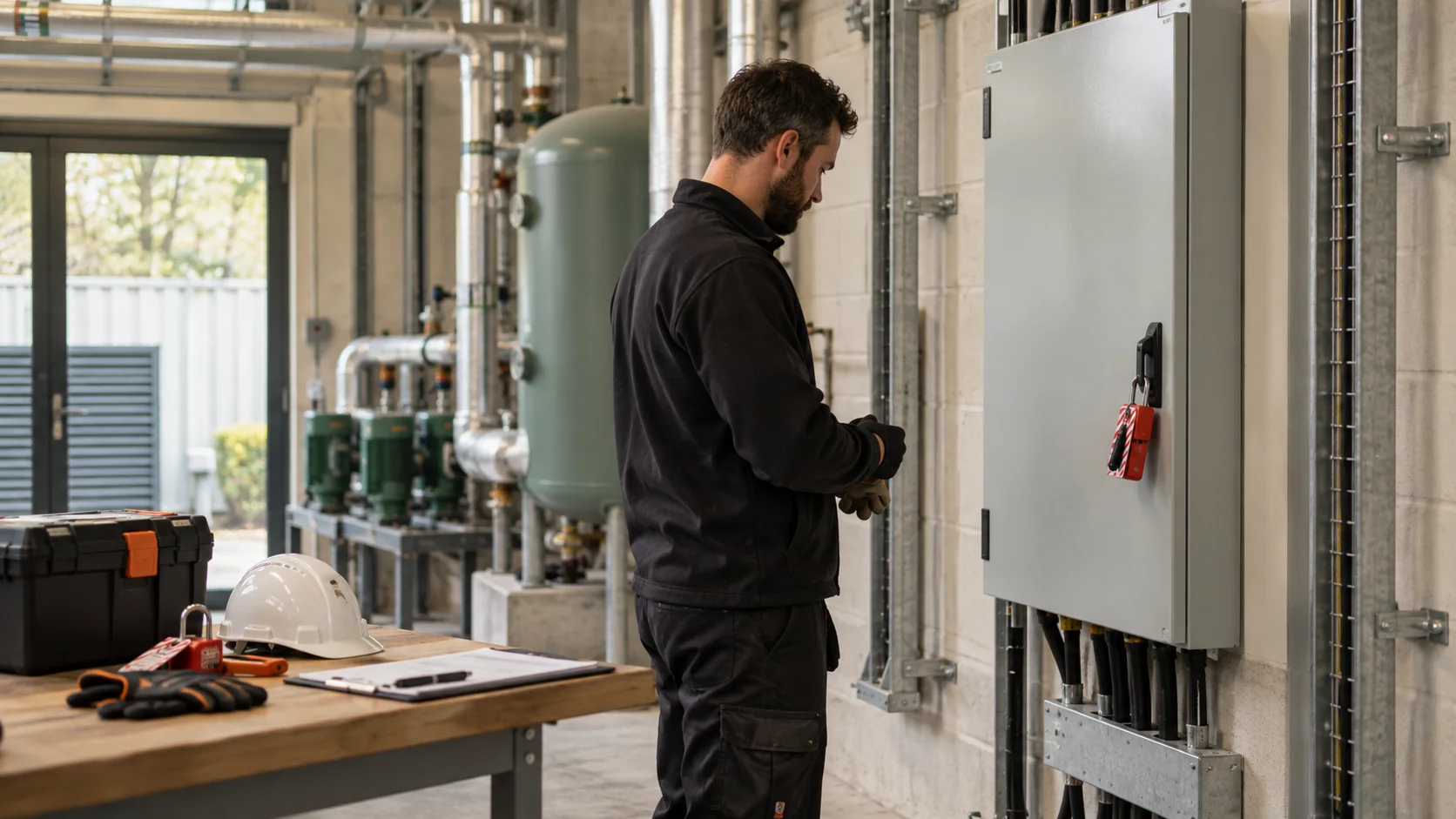
Understand what electrical make-safe work leaves outstanding and how to arrange investigation, repairs and safe handover.
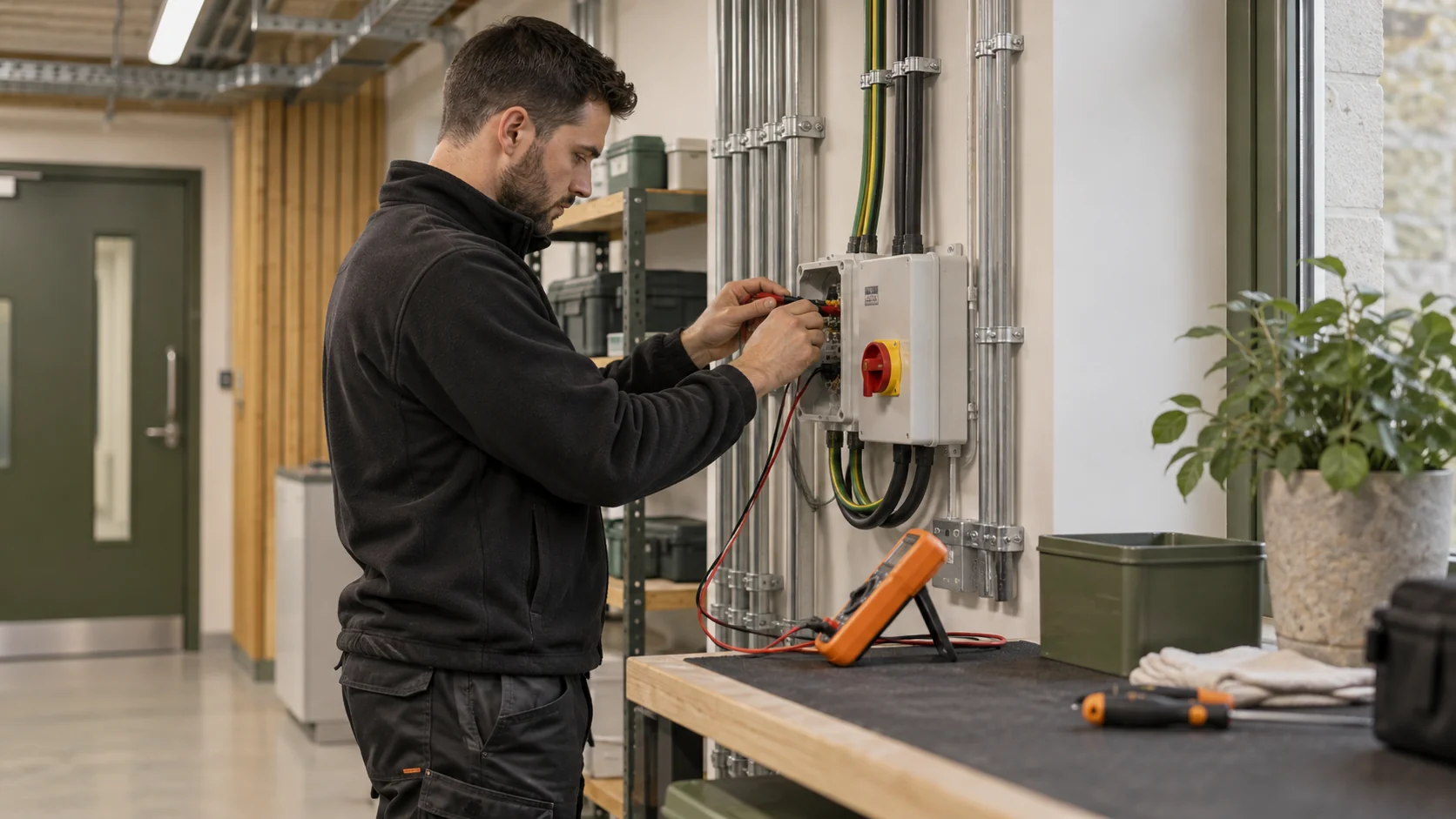
Arrange fixed-wire testing with clear property boundaries, access and shutdown plans, then use the report to identify repairs and further checks.
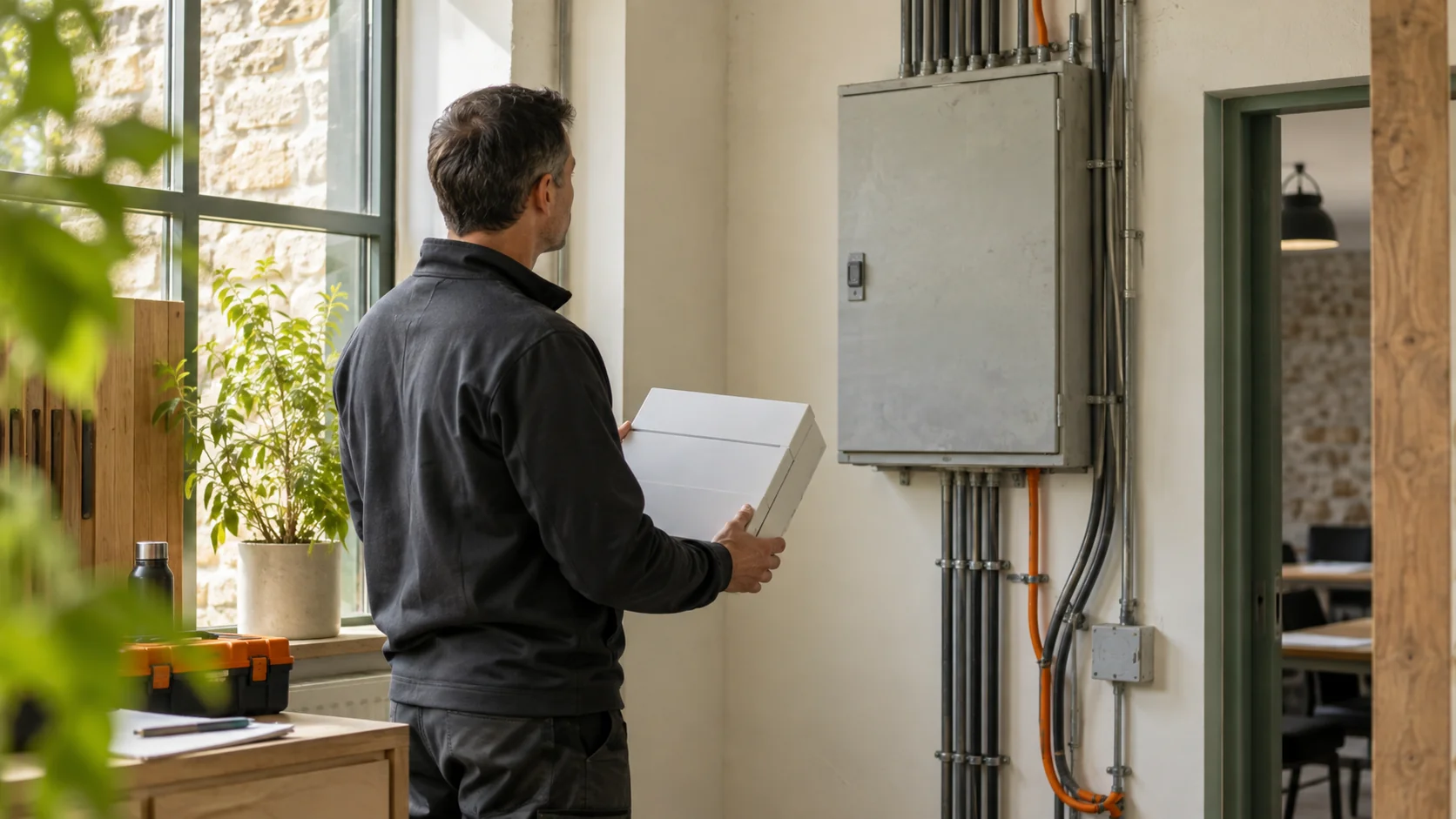
Compare distribution-board repairs and replacement, allowing for existing circuits, power interruptions and completion records.
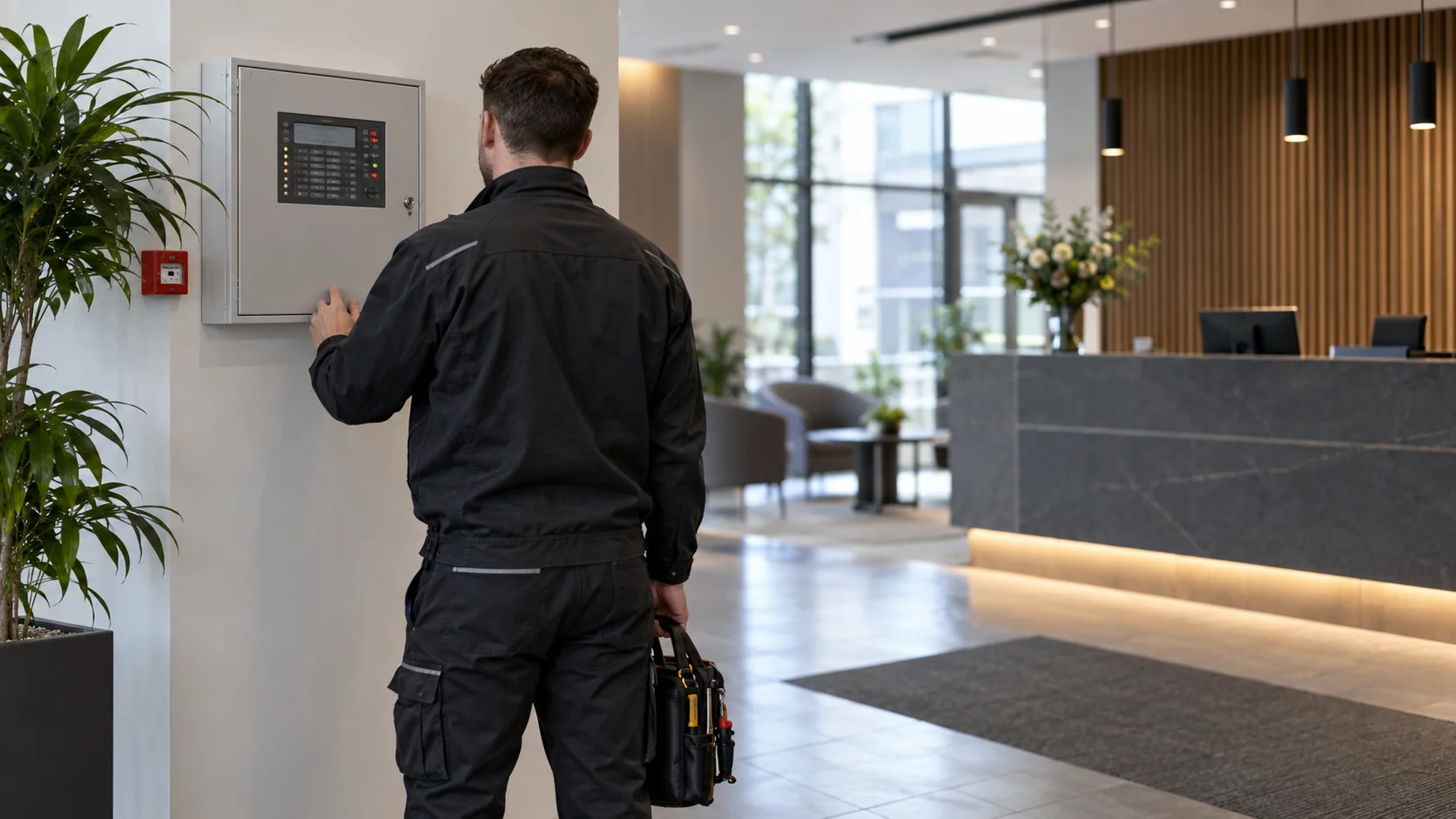
Establish your property's fire-alarm servicing requirements and keep the reports, faults and repairs connected to that programme.
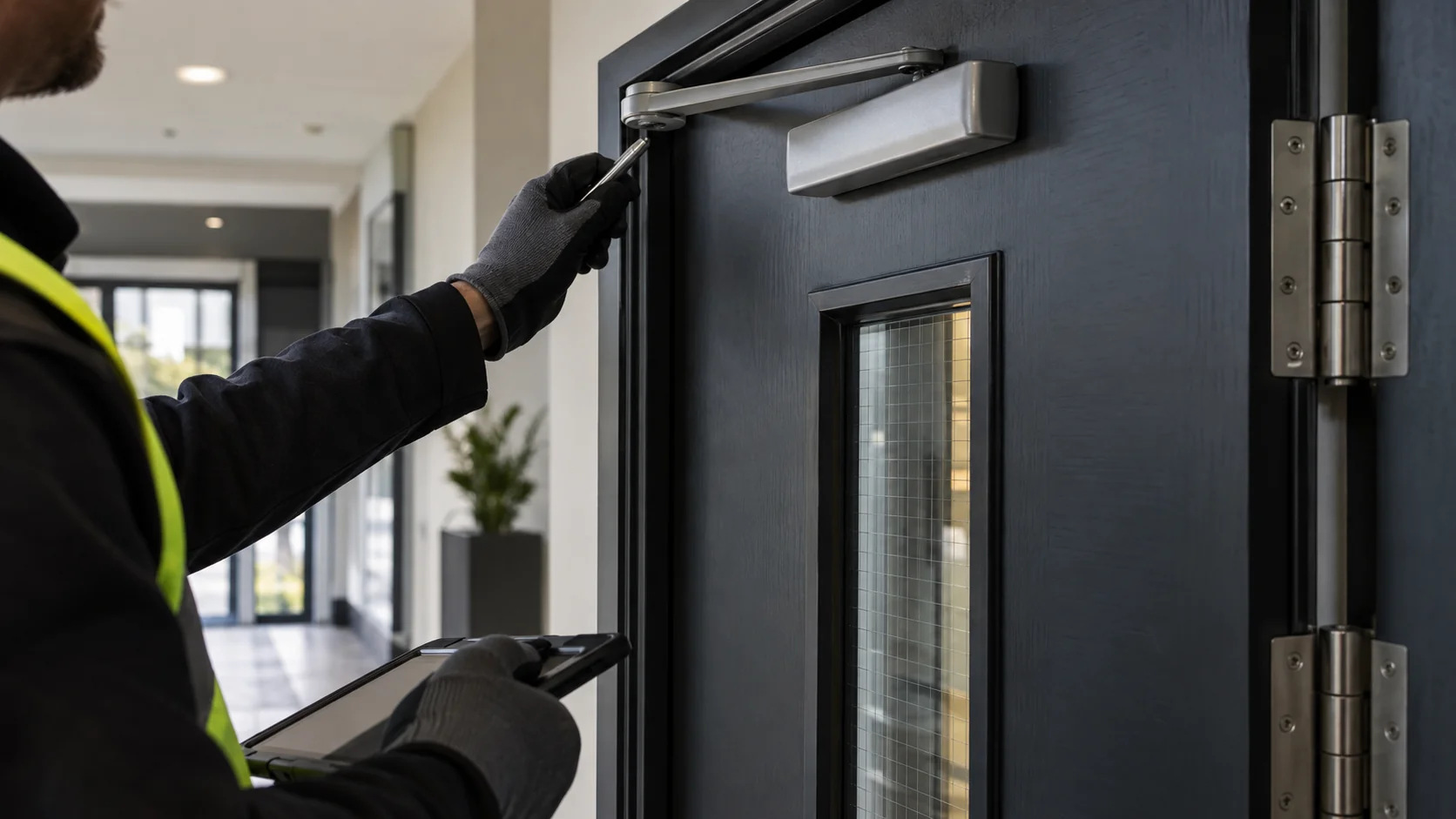
Check what determines your fire-door inspection dates and which records to provide before arranging competent inspection or repair.
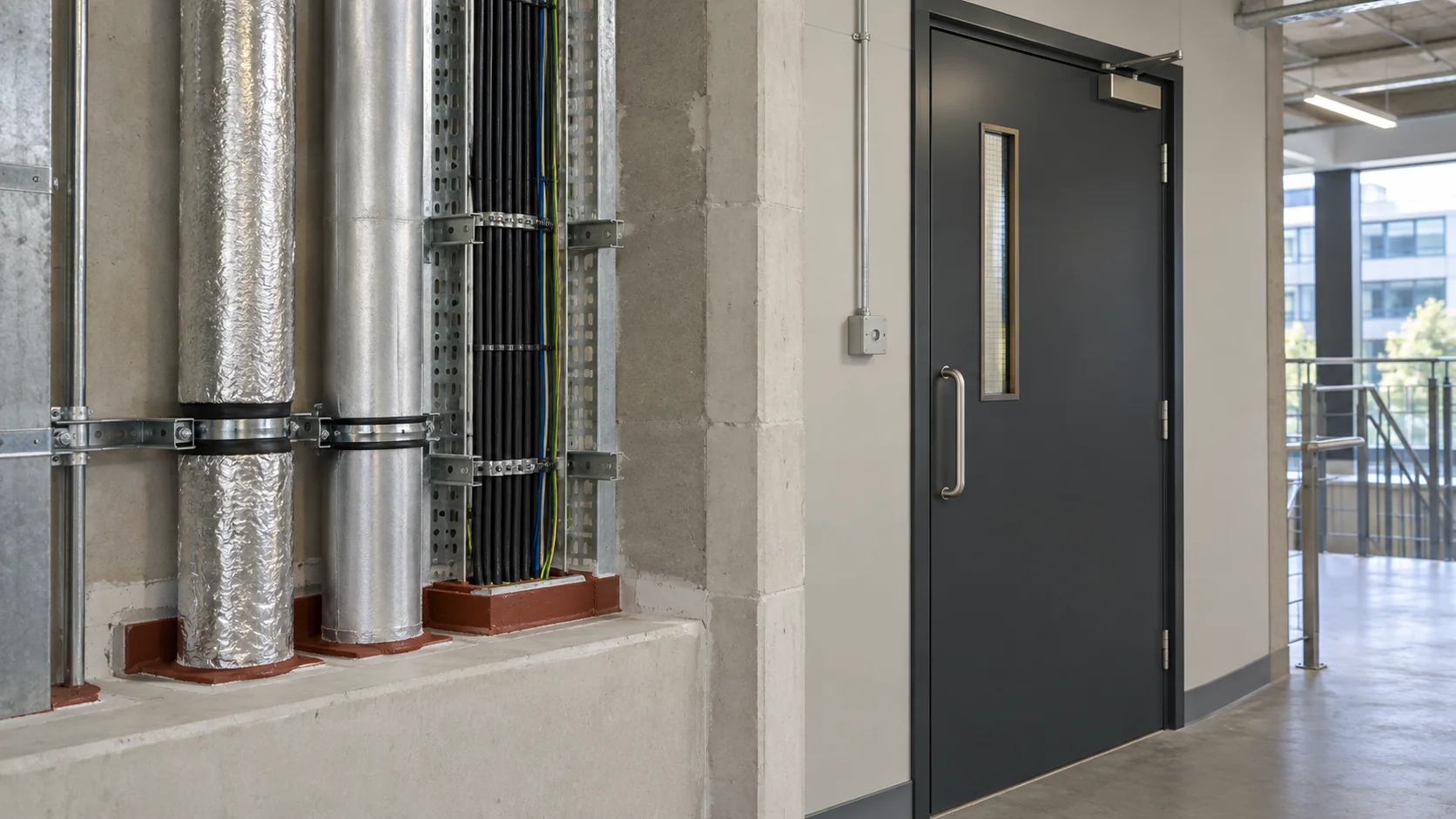
Learn what fire compartmentation does, what property information to provide and how to record defects, repairs and outstanding action.
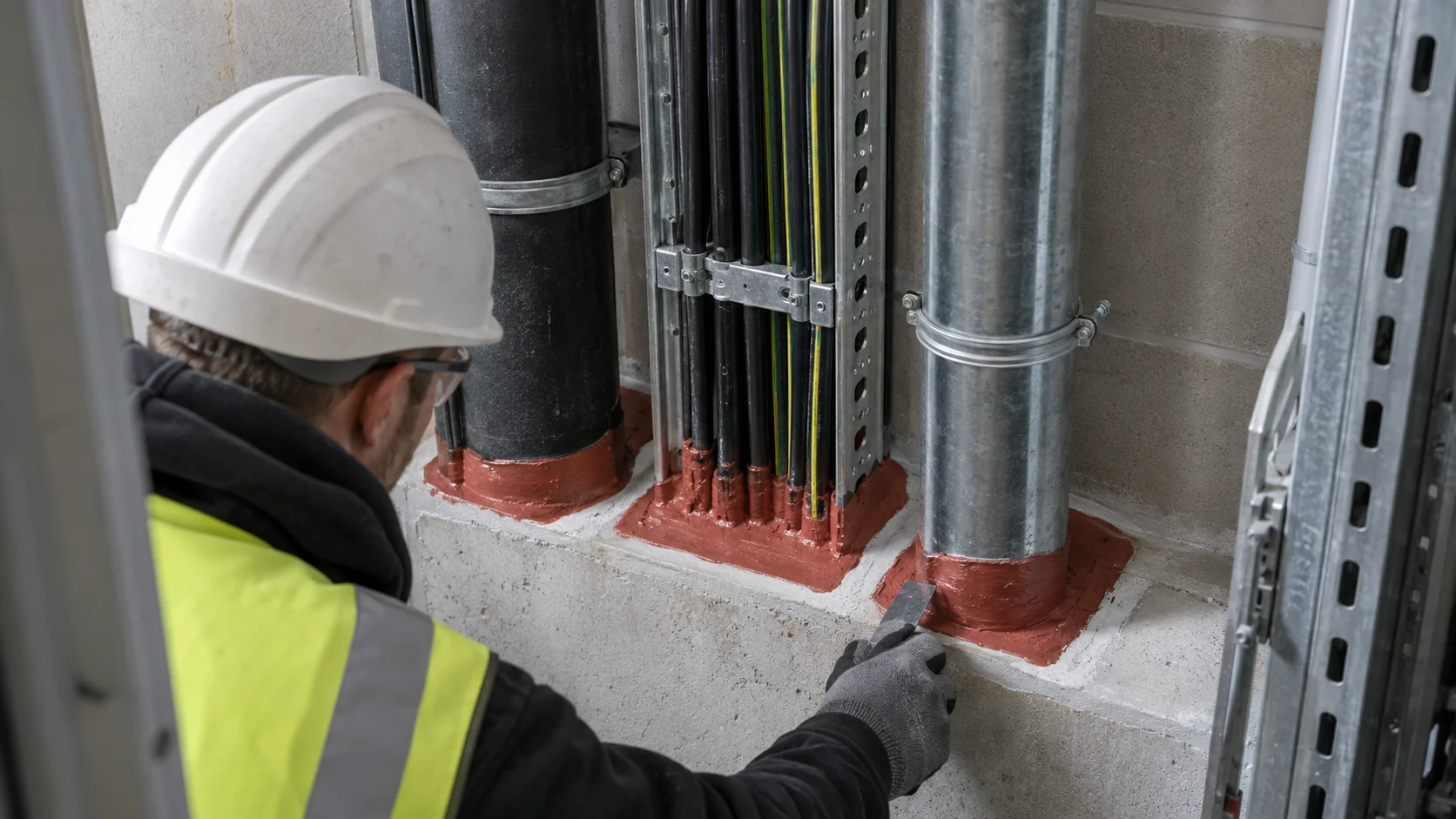
Understand fire stopping before property repairs: check the opening, supporting construction, specified system and evidence of installation.
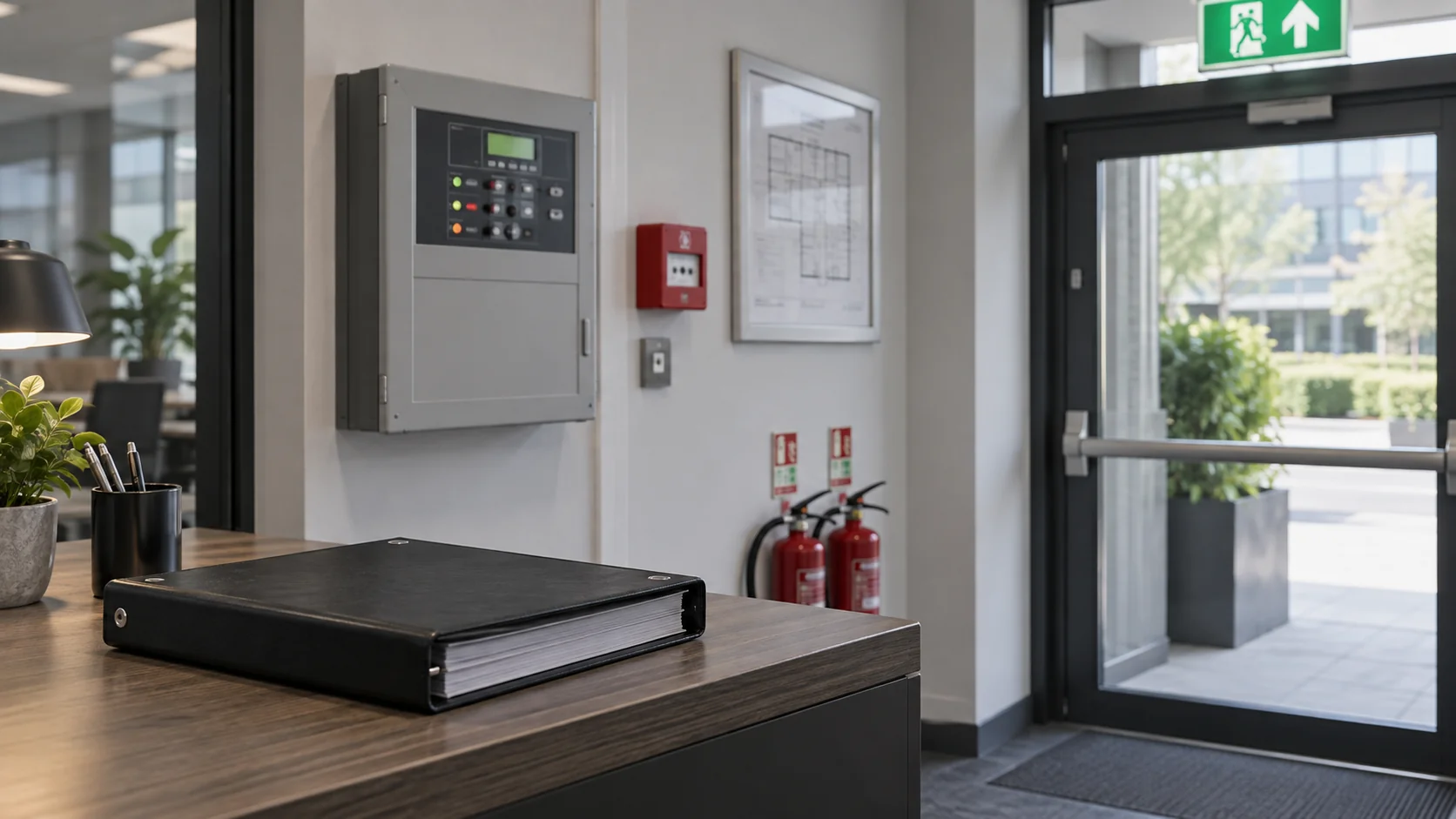
Understand what belongs in a fire logbook and how to make missed checks, recurring defects and unfinished actions visible.
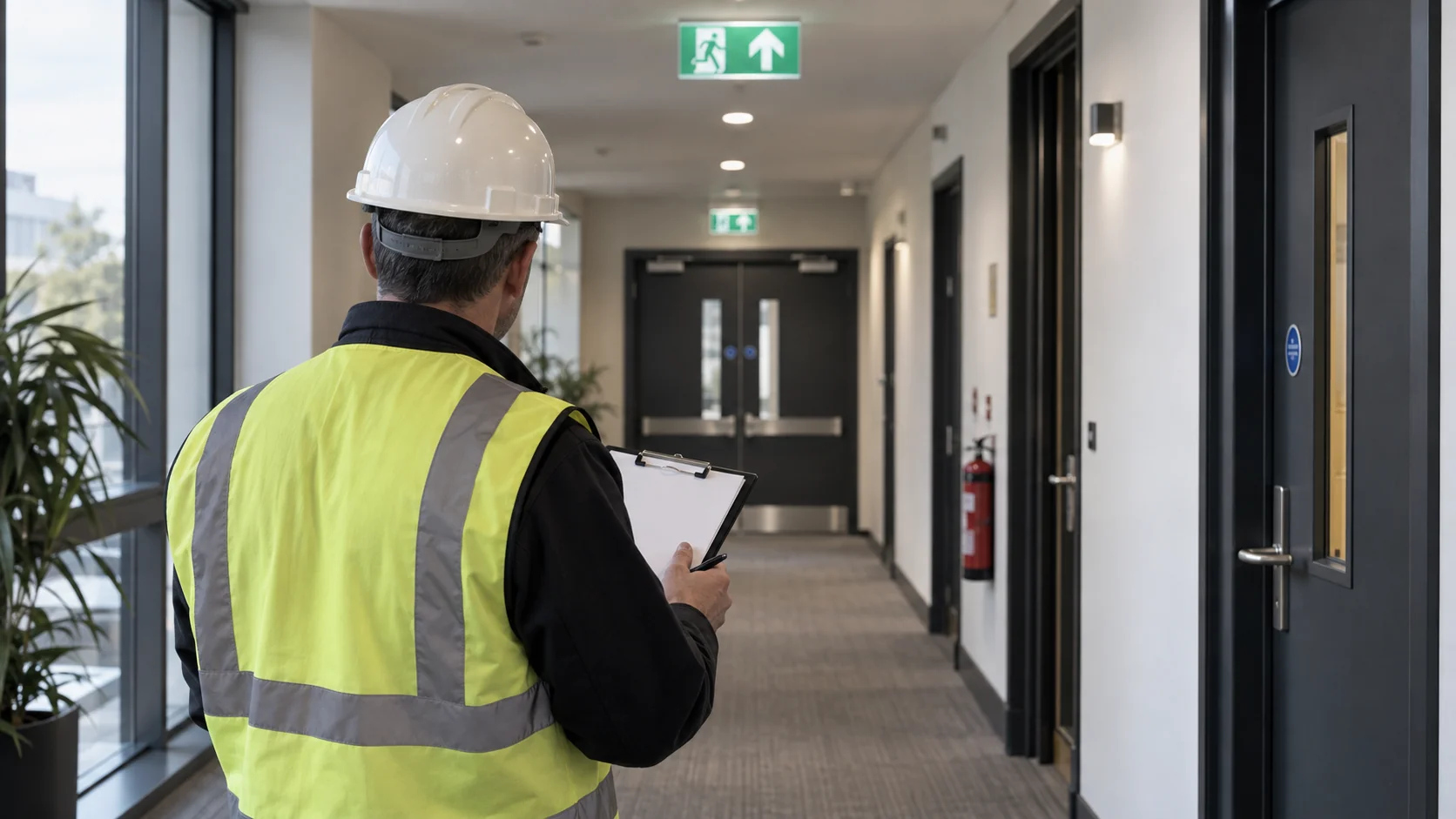
Choose fire-risk-assessment help appropriate to your property and understand what information and follow-up responsibilities to clarify.
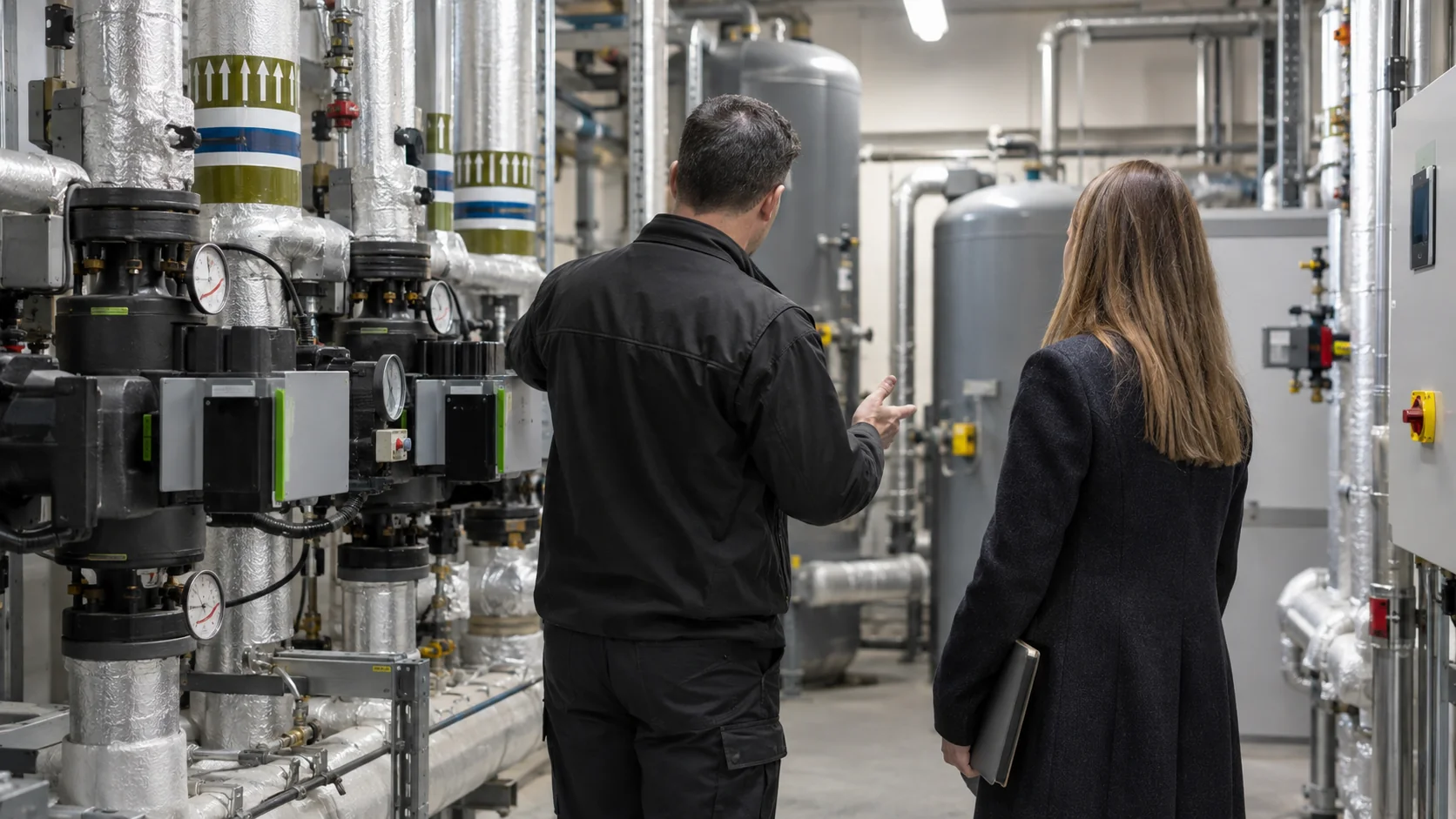
Practical answers for arranging property maintenance, comparing repair scopes and understanding what a completed visit actually means.
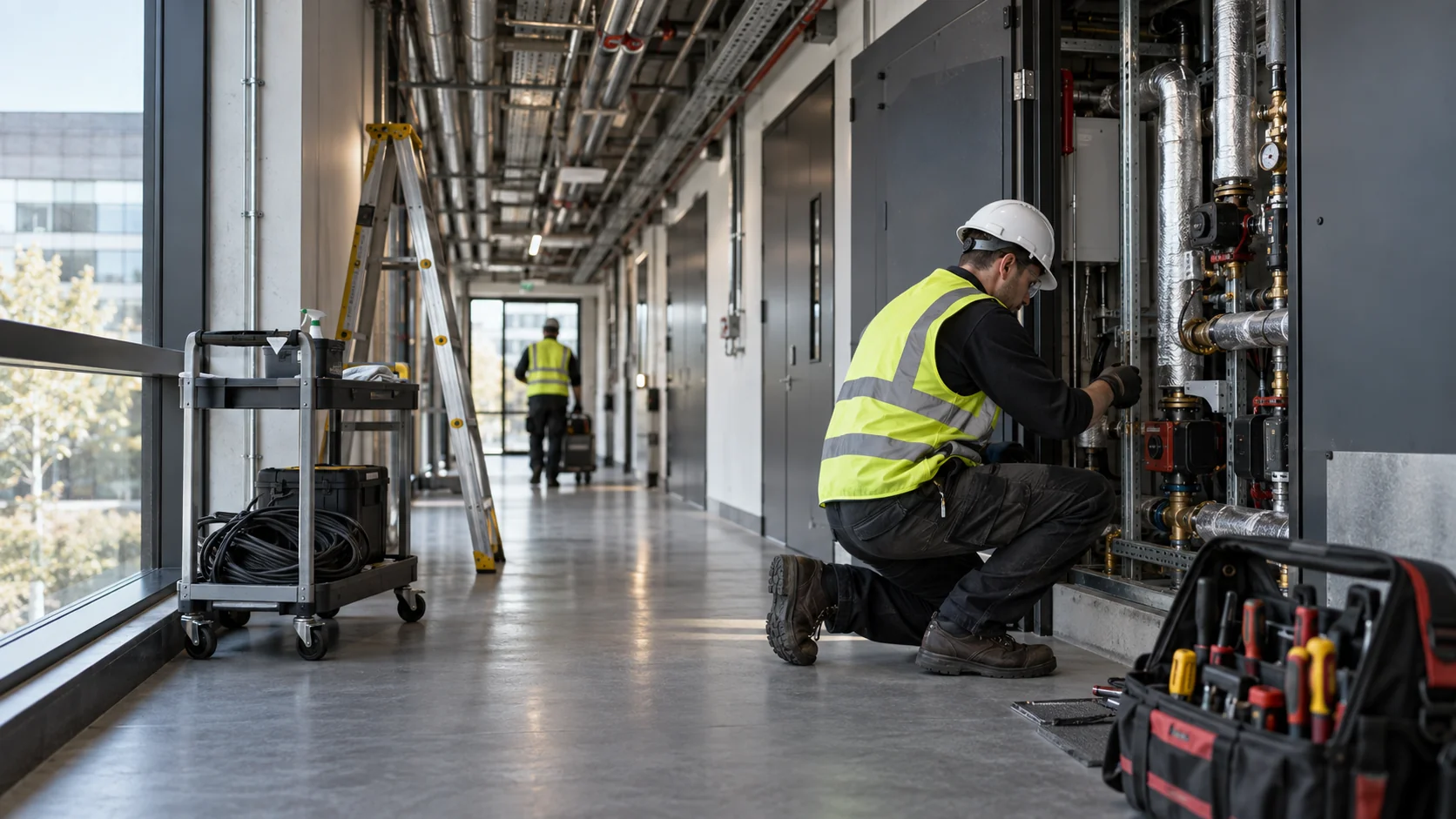
Plain-English definitions of property maintenance and project terms, from asset registers and commissioning to snags and variations.
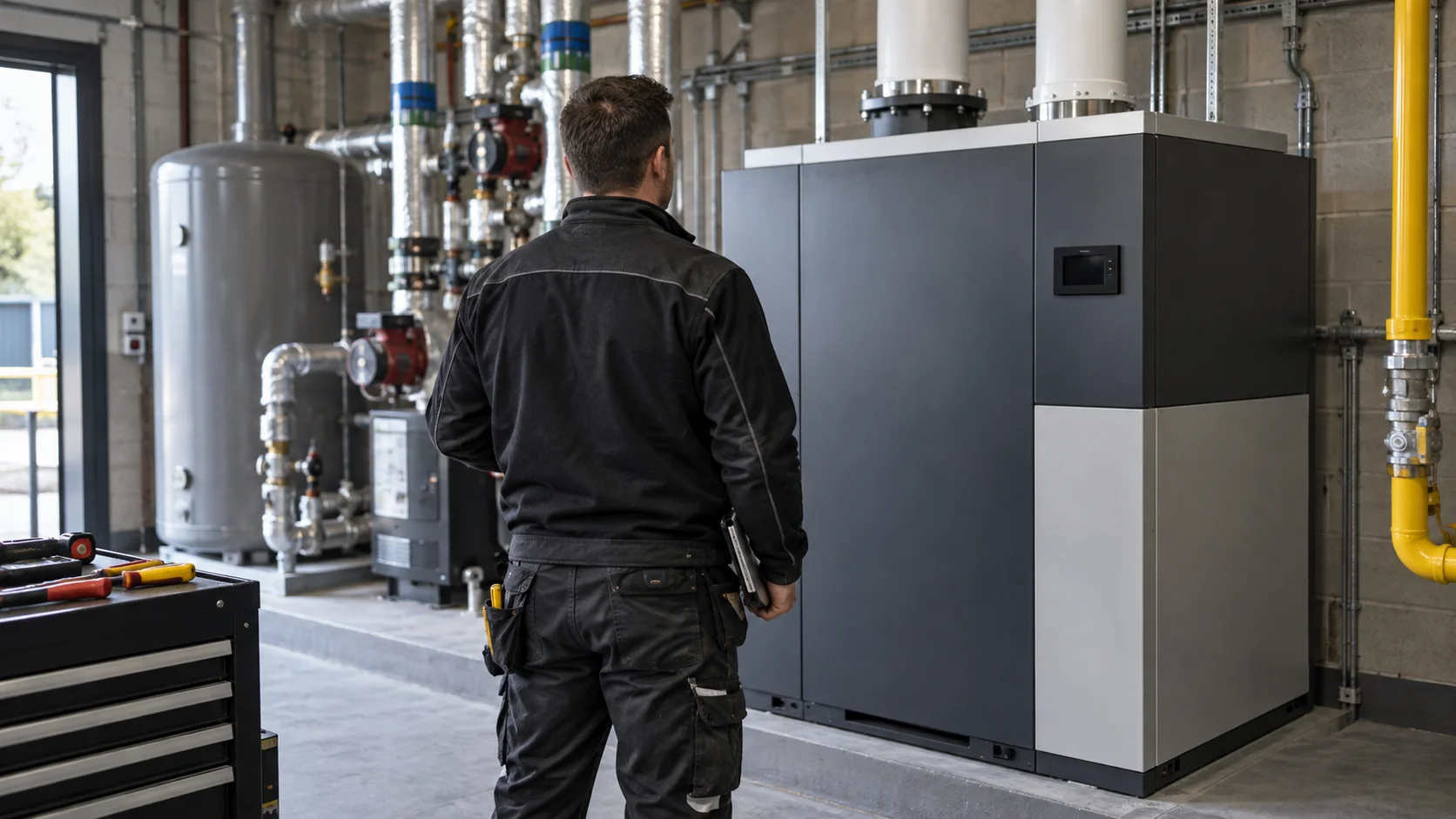
Understand how boiler use and manufacturer instructions affect servicing, what to include in the visit and how to follow up defects.
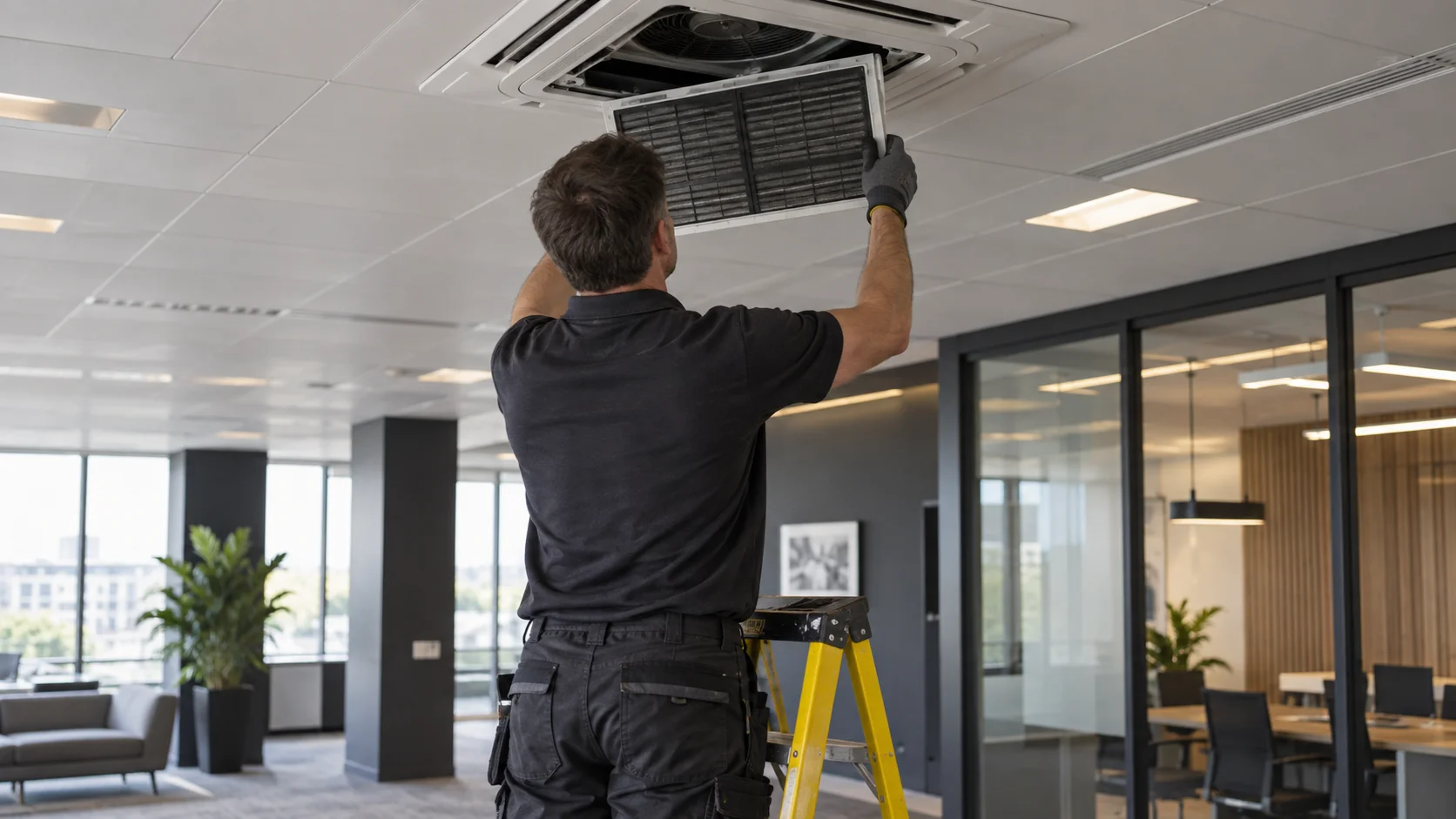
Find out what affects air-conditioning service dates, what filter cleaning leaves out and why leak checks are a separate requirement.
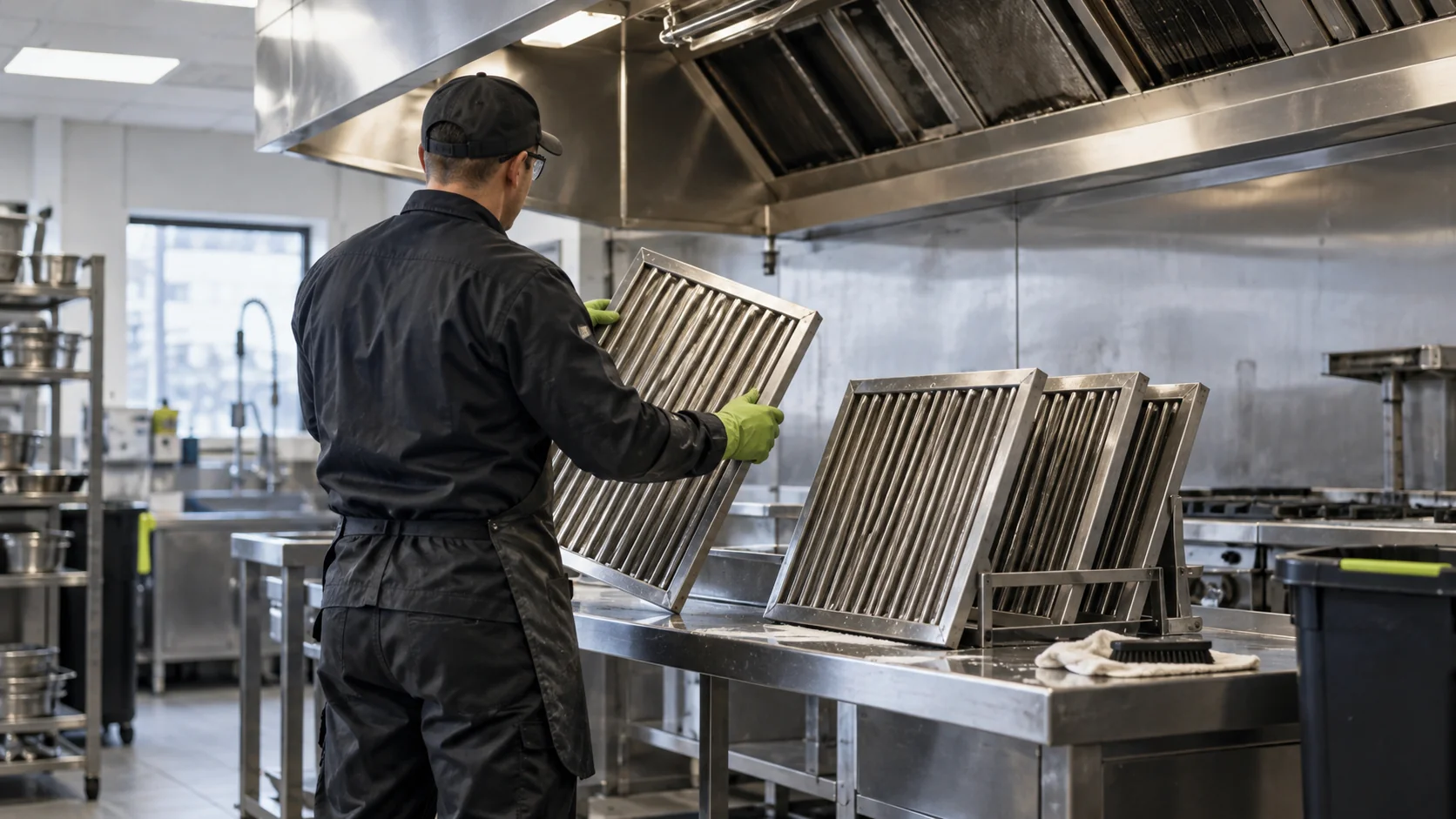
Know what affects kitchen-extract cleaning frequency and what to check in a quotation, access plan and report after the work.
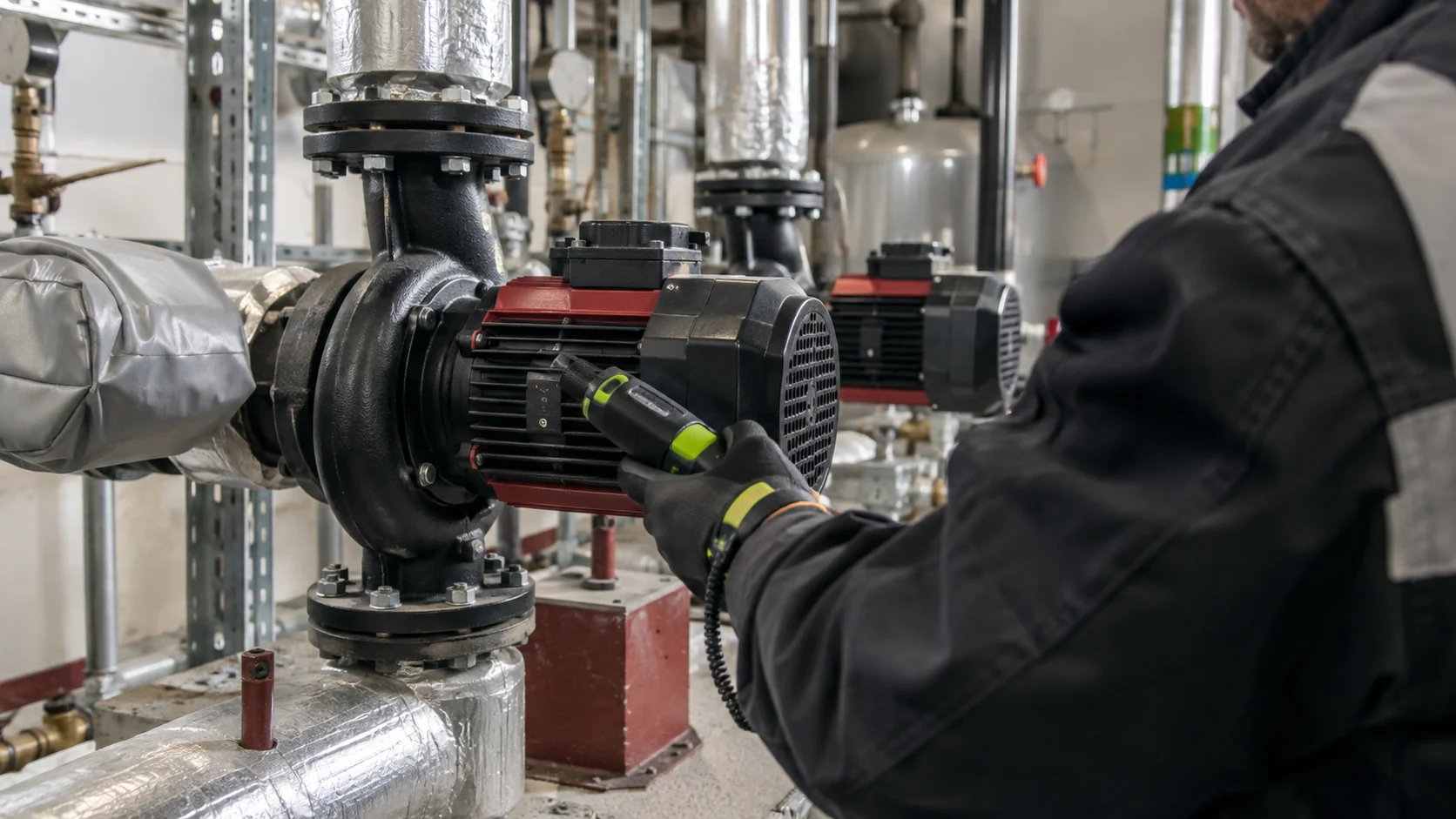
Learn what to report about a circulation-pump fault and why noise, a running motor or repeated replacement does not establish the cause.
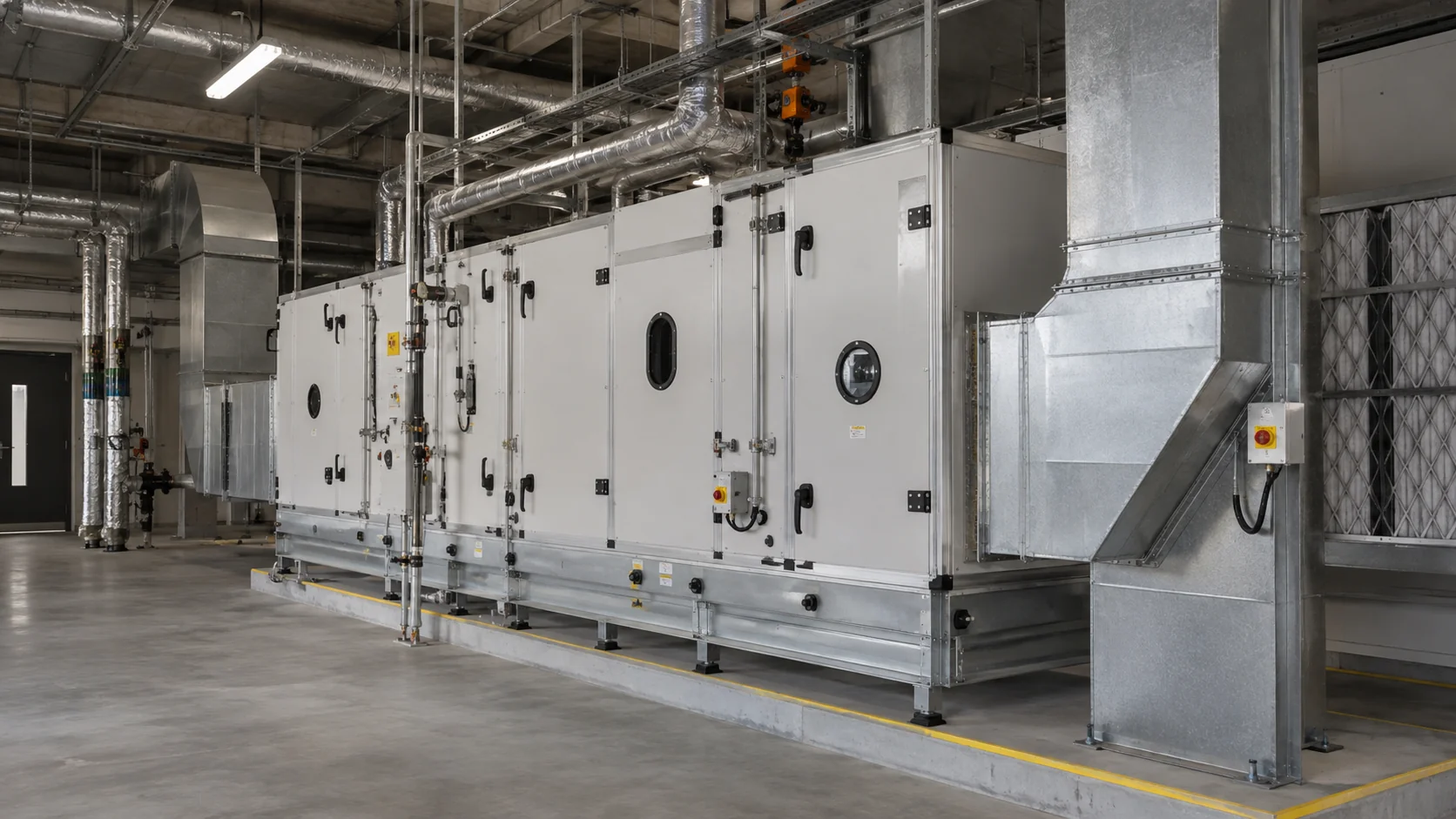
Find out how an air-handling unit works, what its components do and what information helps when airflow or temperature becomes a problem.

Understand what BMS displays and alarms mean, which settings to record and what to request when taking over a property’s controls.
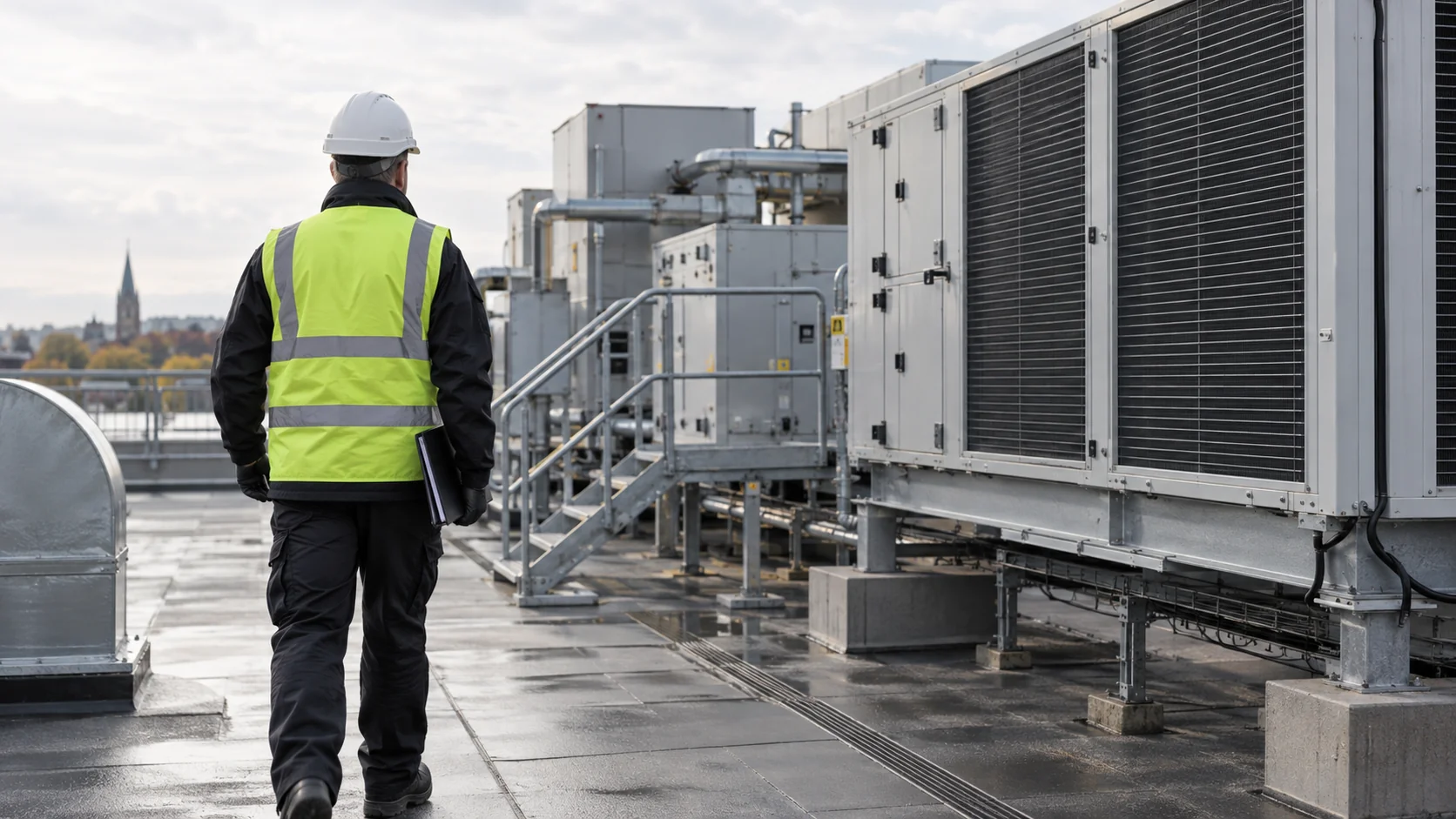
Compare HVAC contracts by included equipment and work, with clear questions about parts, repairs, access and specialist inspections.
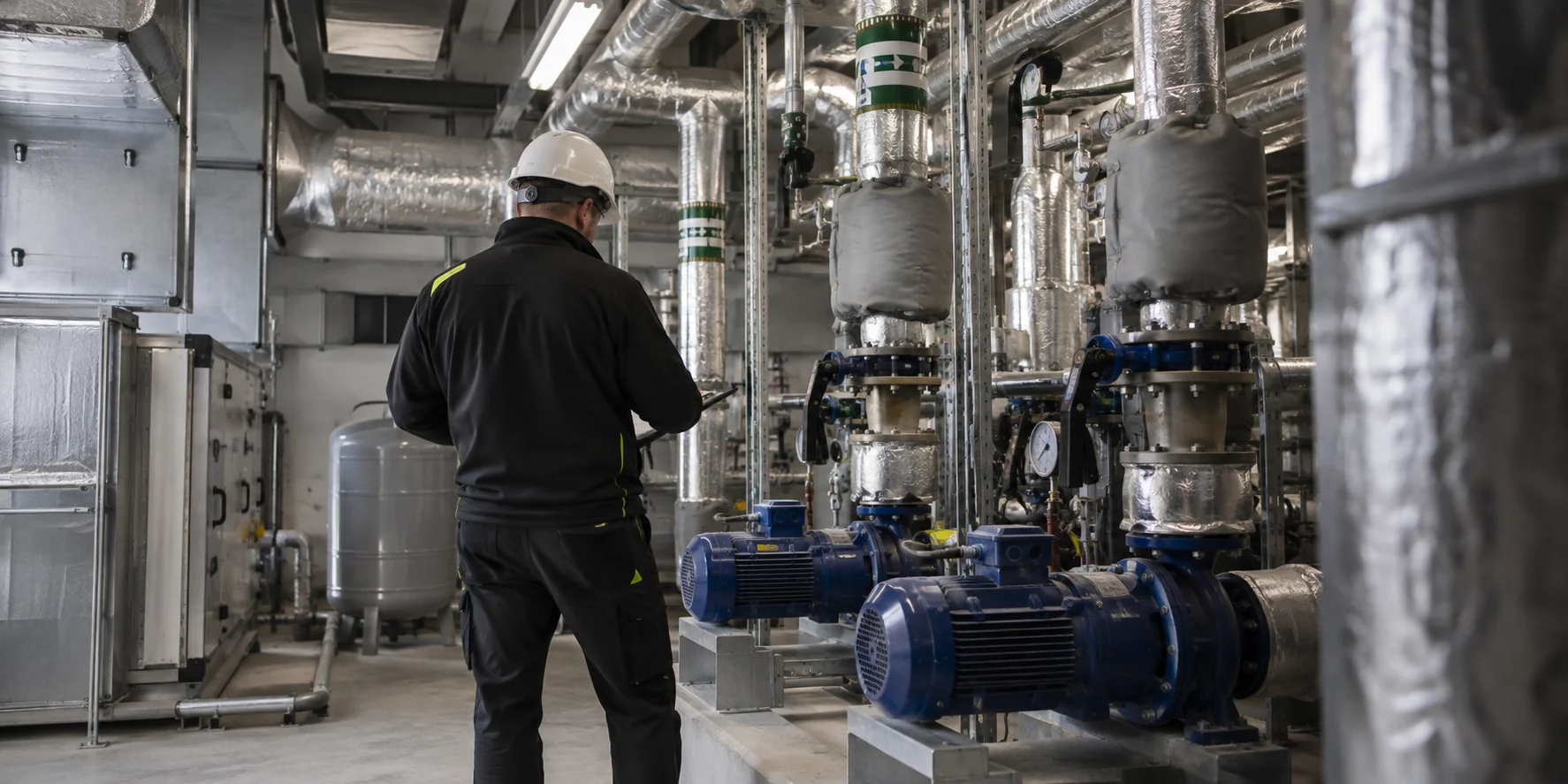
Understand what to include in mechanical plant upkeep, how to prepare access and why service reports need clear follow-up actions.
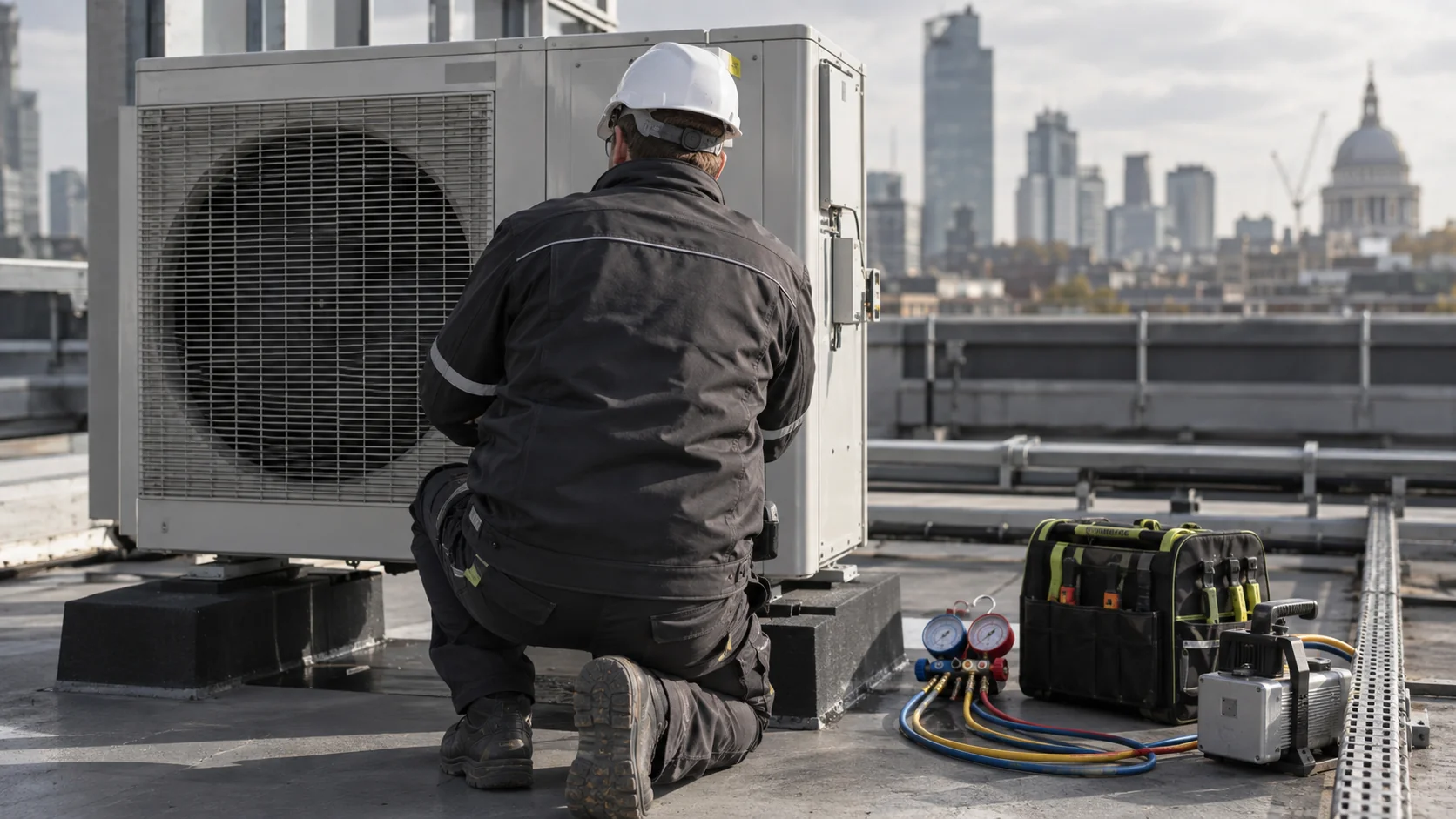
Understand GB F-gas requirements for your equipment, including leak-check records, repair follow-up and the responsibilities to agree.
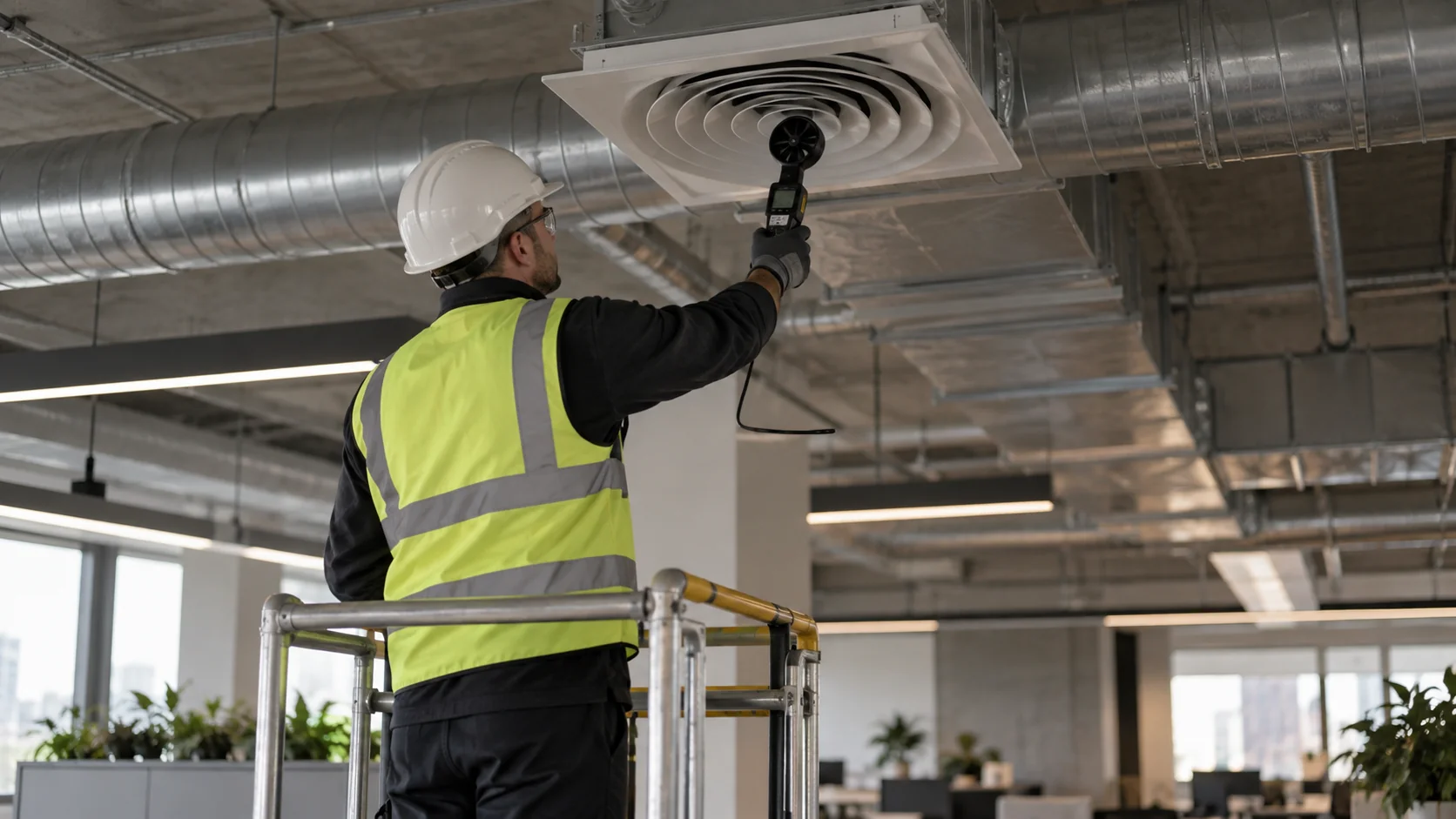
Understand what HVAC balancing can fix, what must be checked first and what readings and settings to keep after the visit.
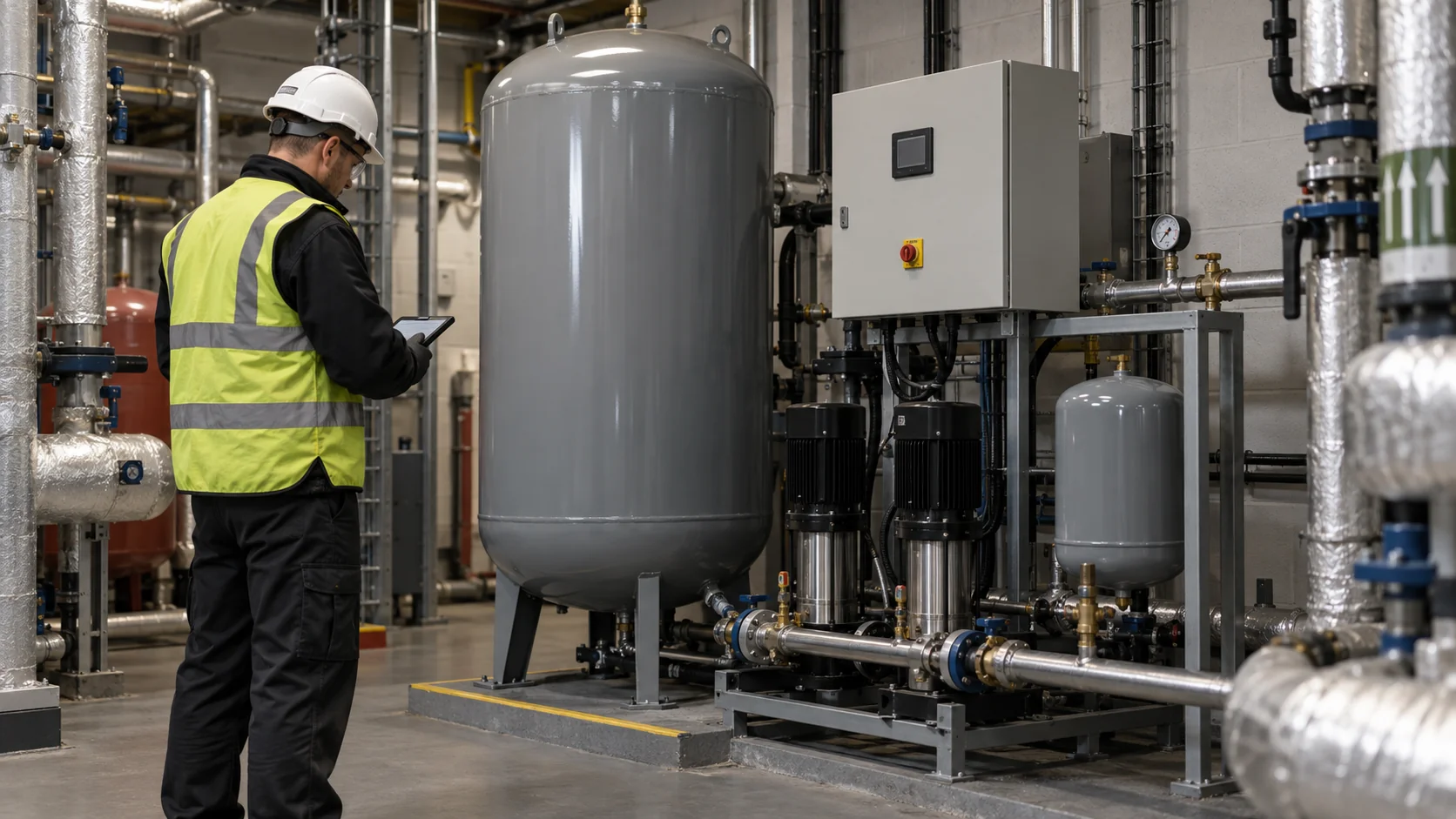
Know what to report when a pressurisation system loses pressure and why repeated top-up or changed settings do not establish a repair.
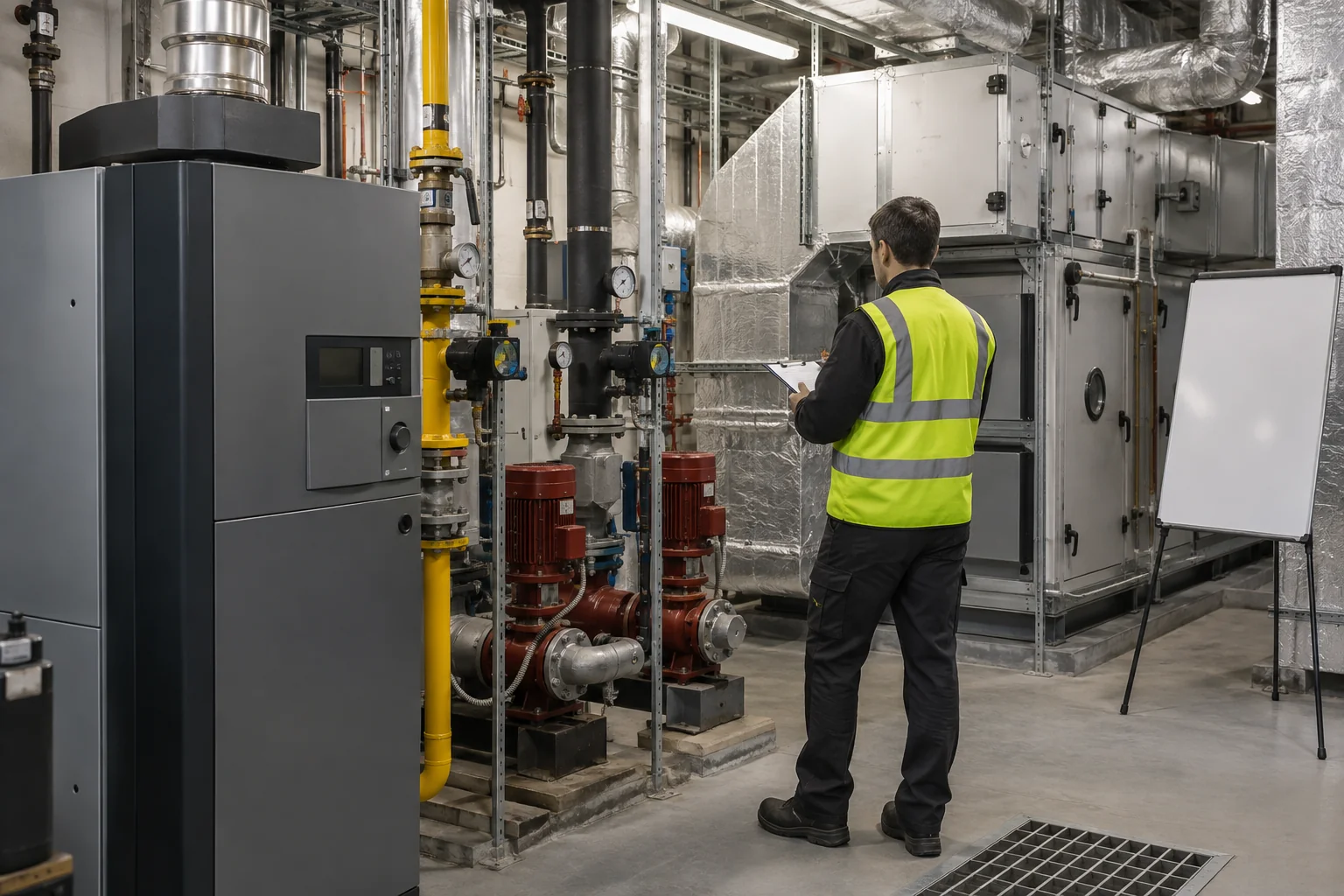
Understand why maintenance intervals vary and what to record when arranging visits, reviewing dates or dealing with missing service history.
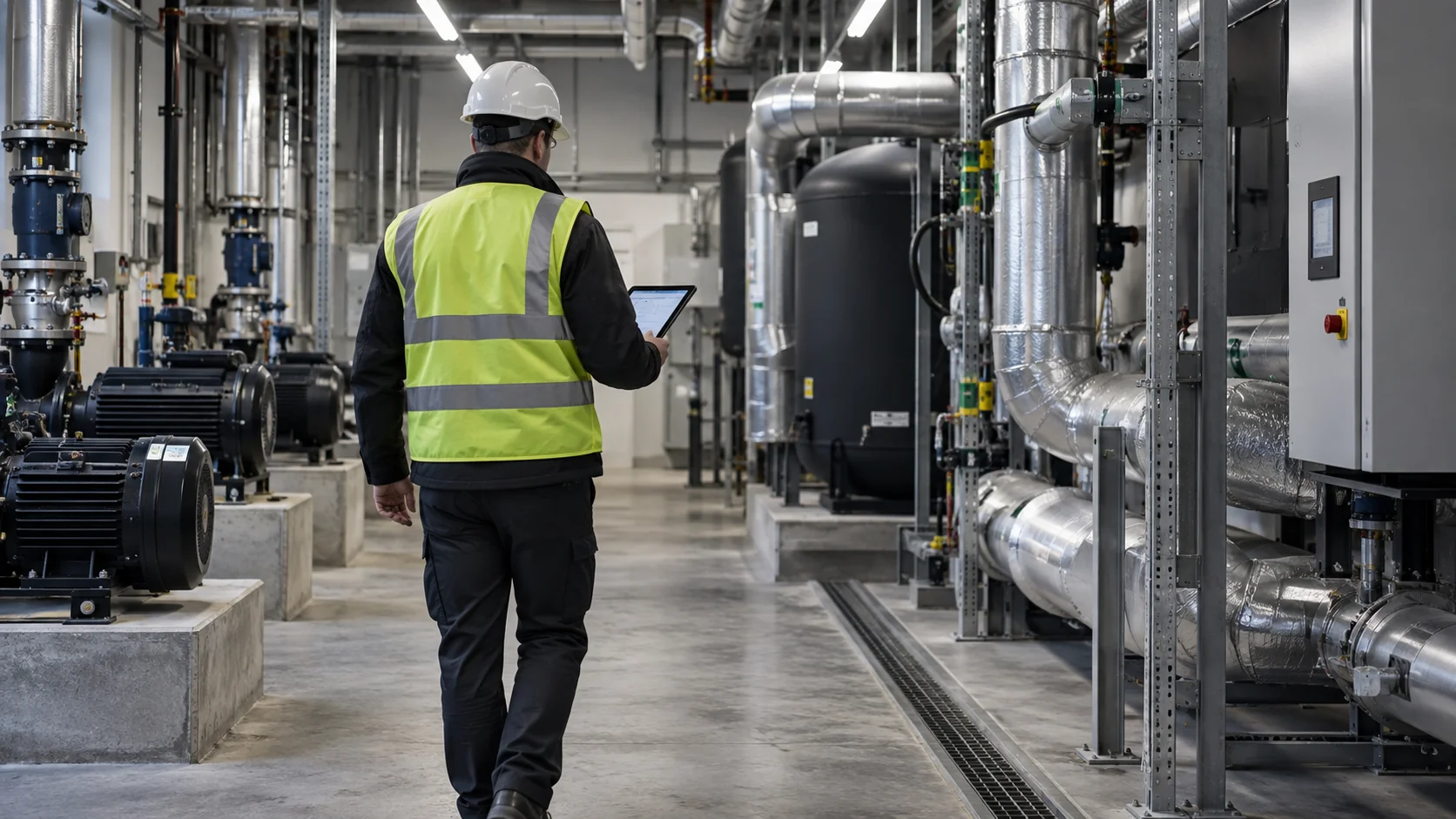
Create a practical PPM schedule for your property, linking equipment and building items to tasks, due dates and evidence of work done.

Know what to request in a PPM record so you can identify completed maintenance, understand findings and arrange unfinished repairs.
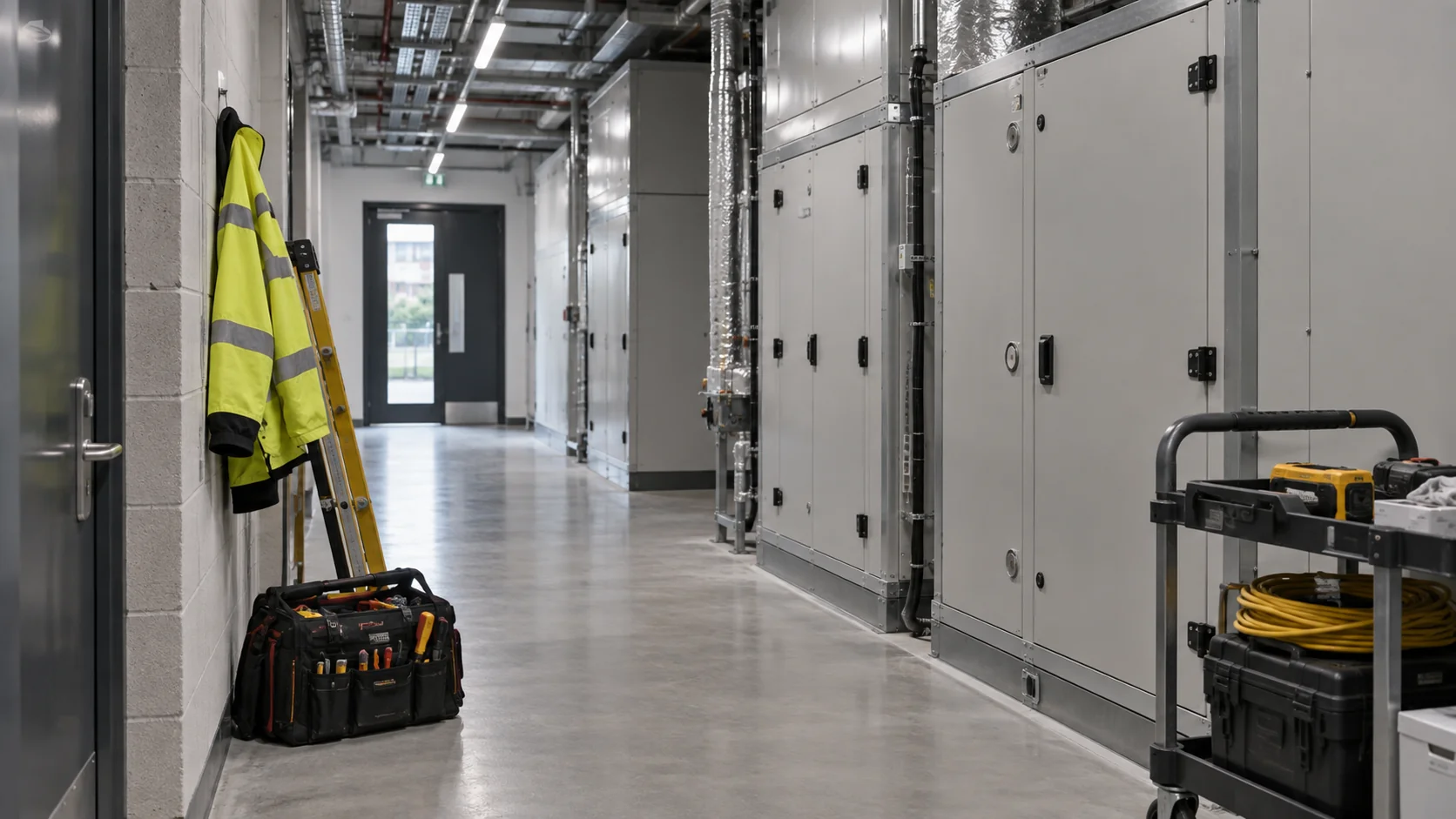
Organise unfinished property work into clear next steps, prioritise by consequences and check what is truly complete before closing a job.
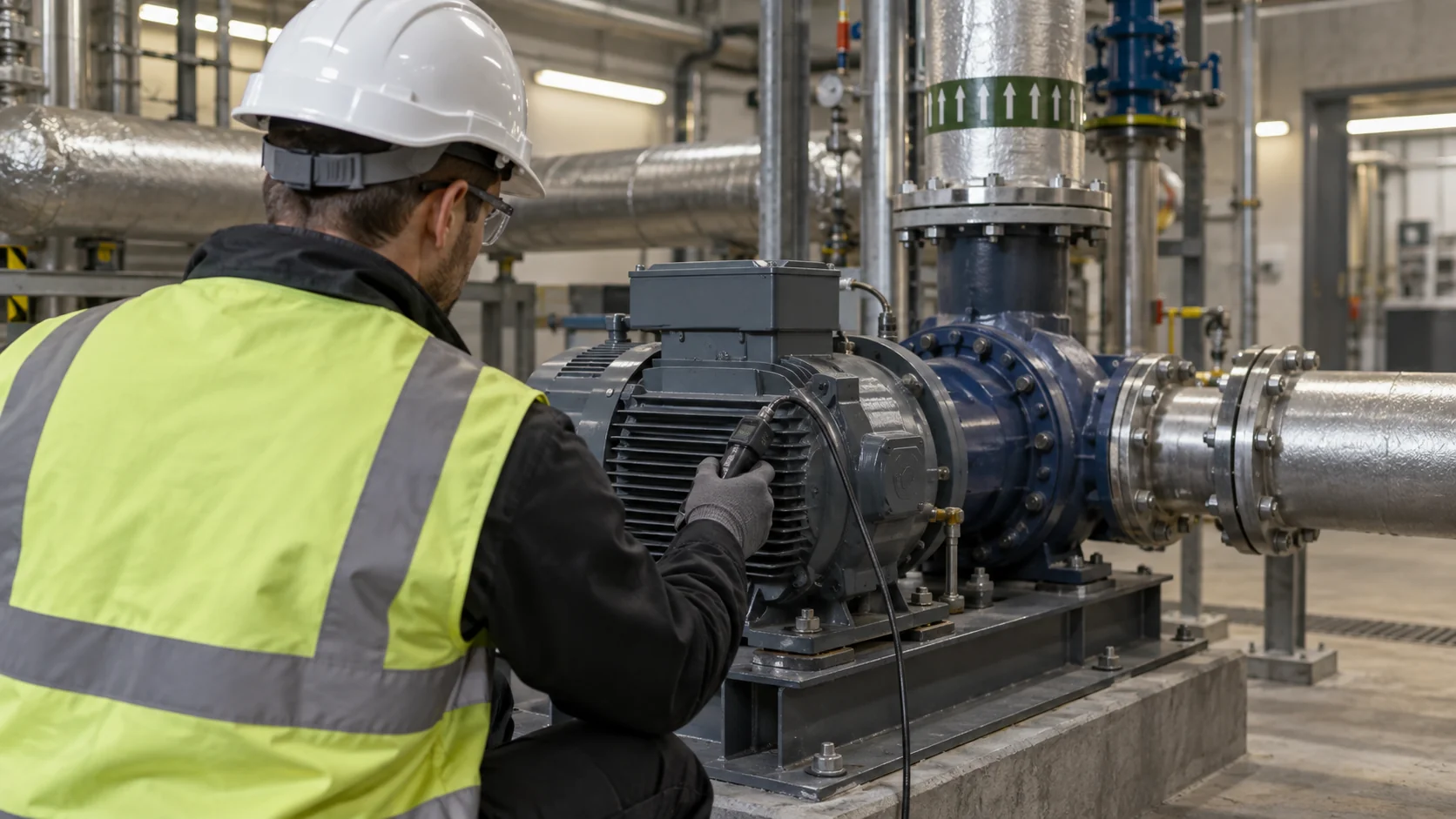
Understand when condition checks can guide property maintenance, what makes a reading useful and which scheduled tasks still apply.
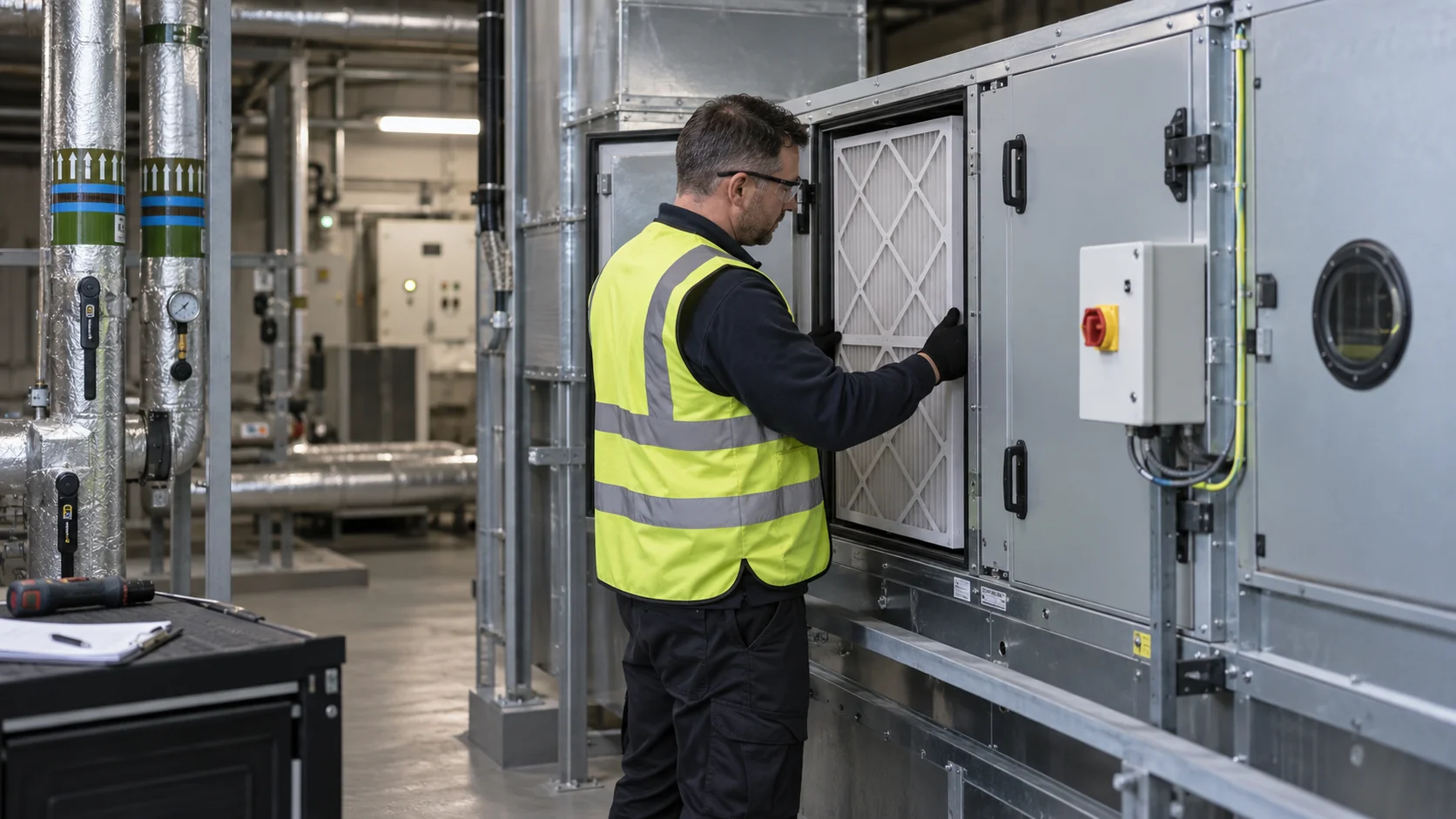
Understand how planned maintenance works, what makes a task clear and why a finished inspection can still leave a repair to arrange.
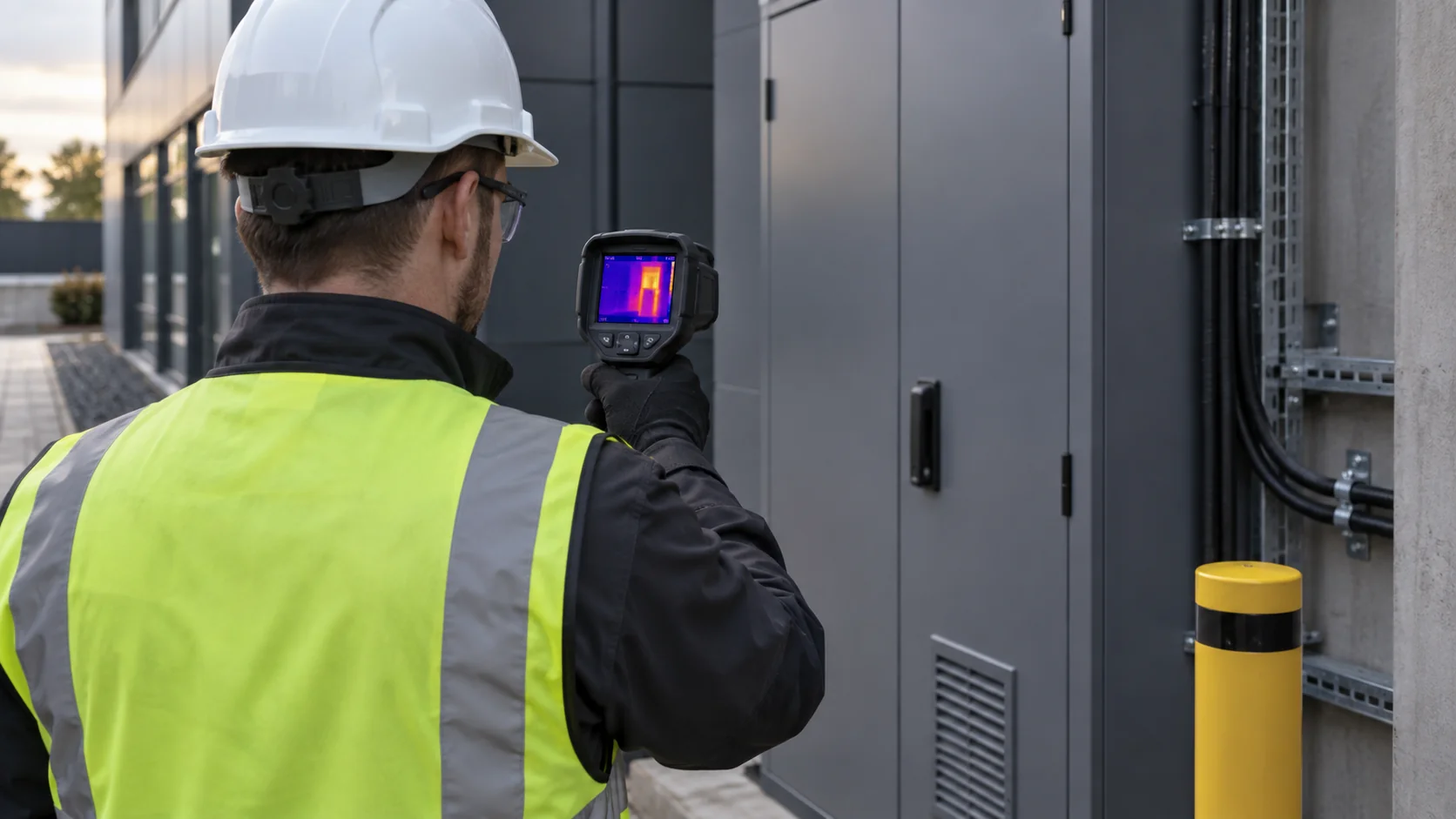
Understand what predictive maintenance can tell you, which records it needs and how analysis should lead to checked, practical action.
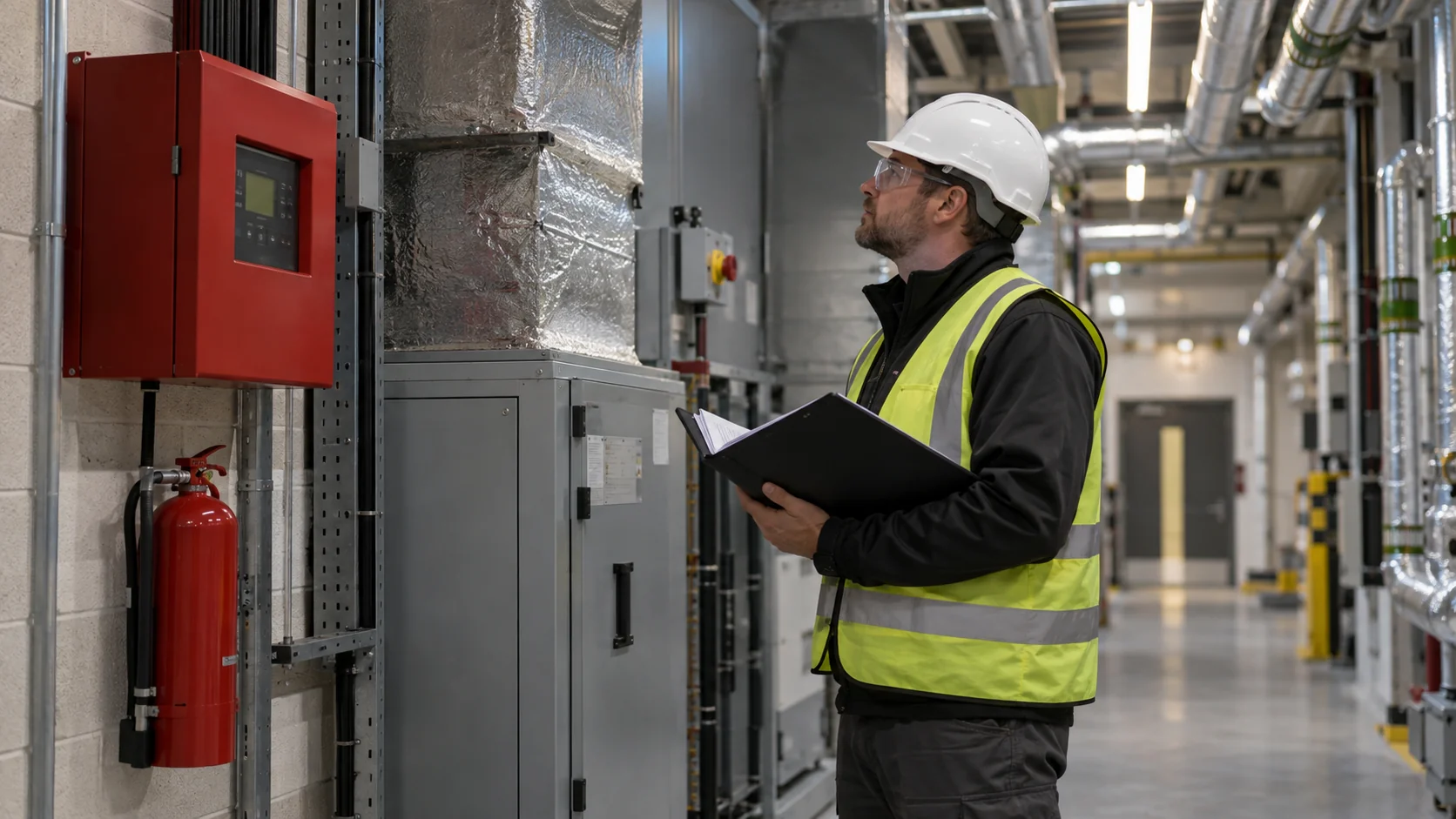
Understand statutory maintenance, check what inspection paperwork actually covers and keep repair responsibilities and deadlines clear.
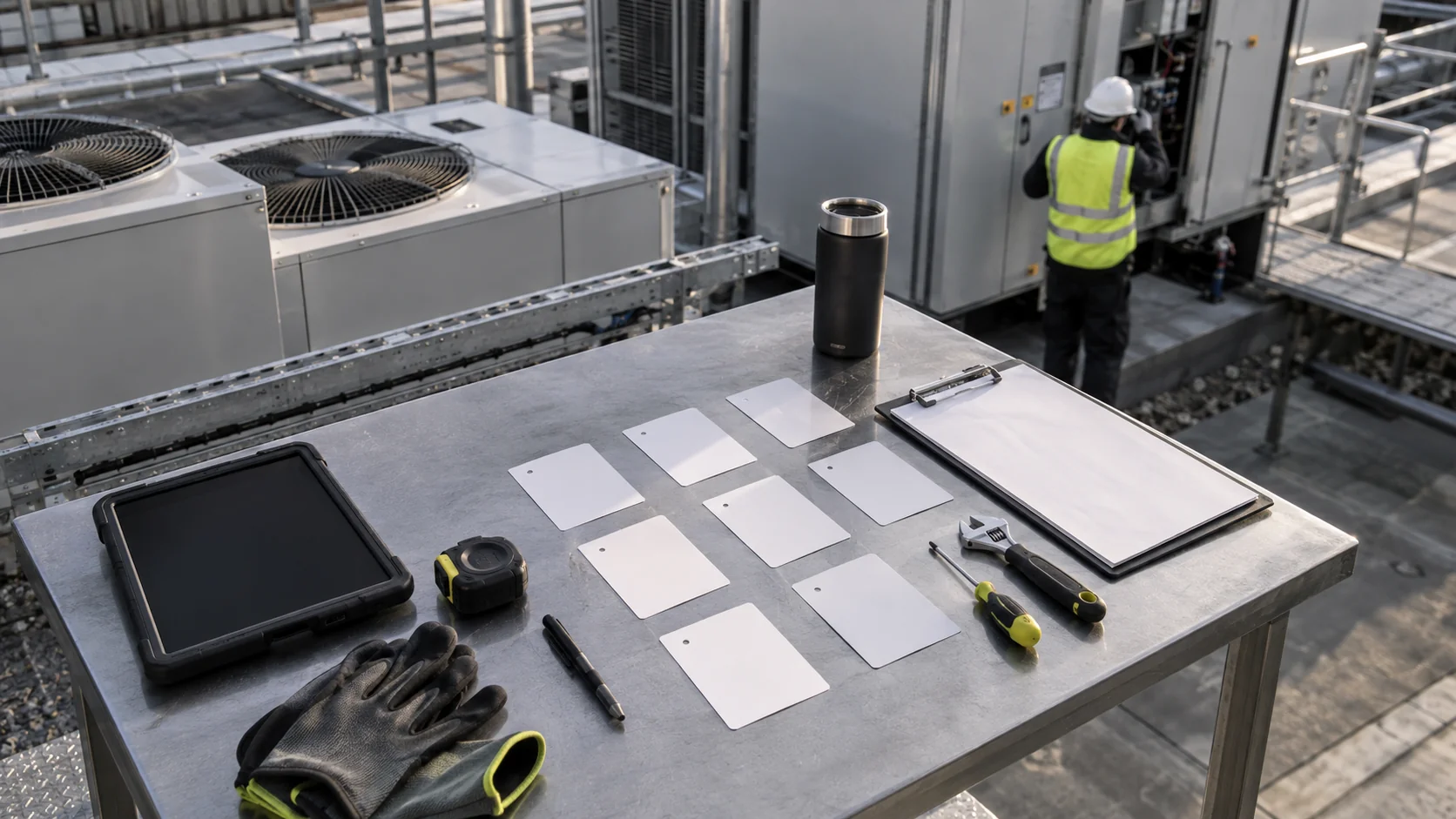
Check the essential fields in a property PPM schedule and understand how tasks, visits, evidence and unfinished repairs should connect.
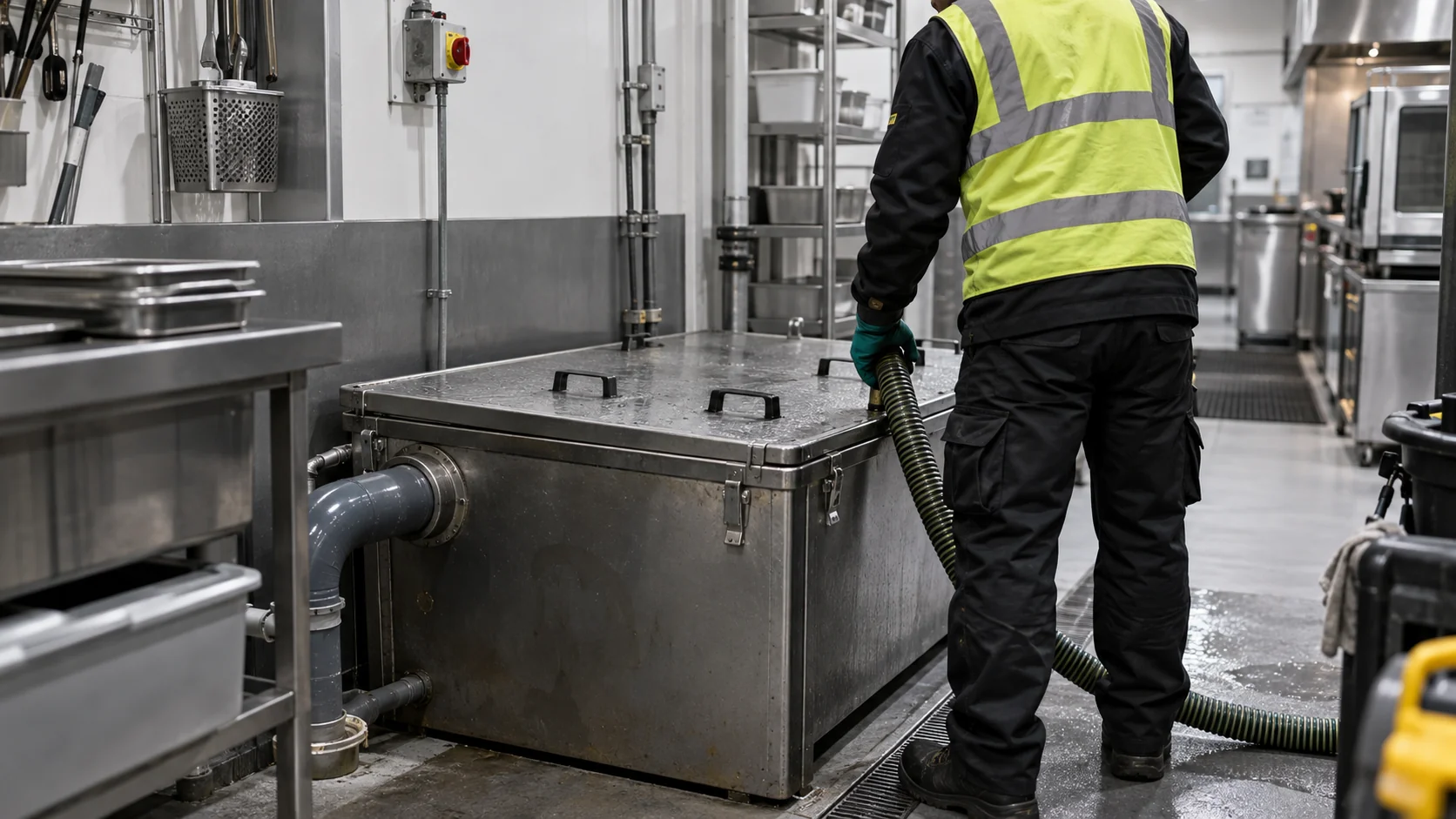
Find out how kitchen use affects grease-trap cleaning and what to record, reduce at source and investigate when drainage stays slow.
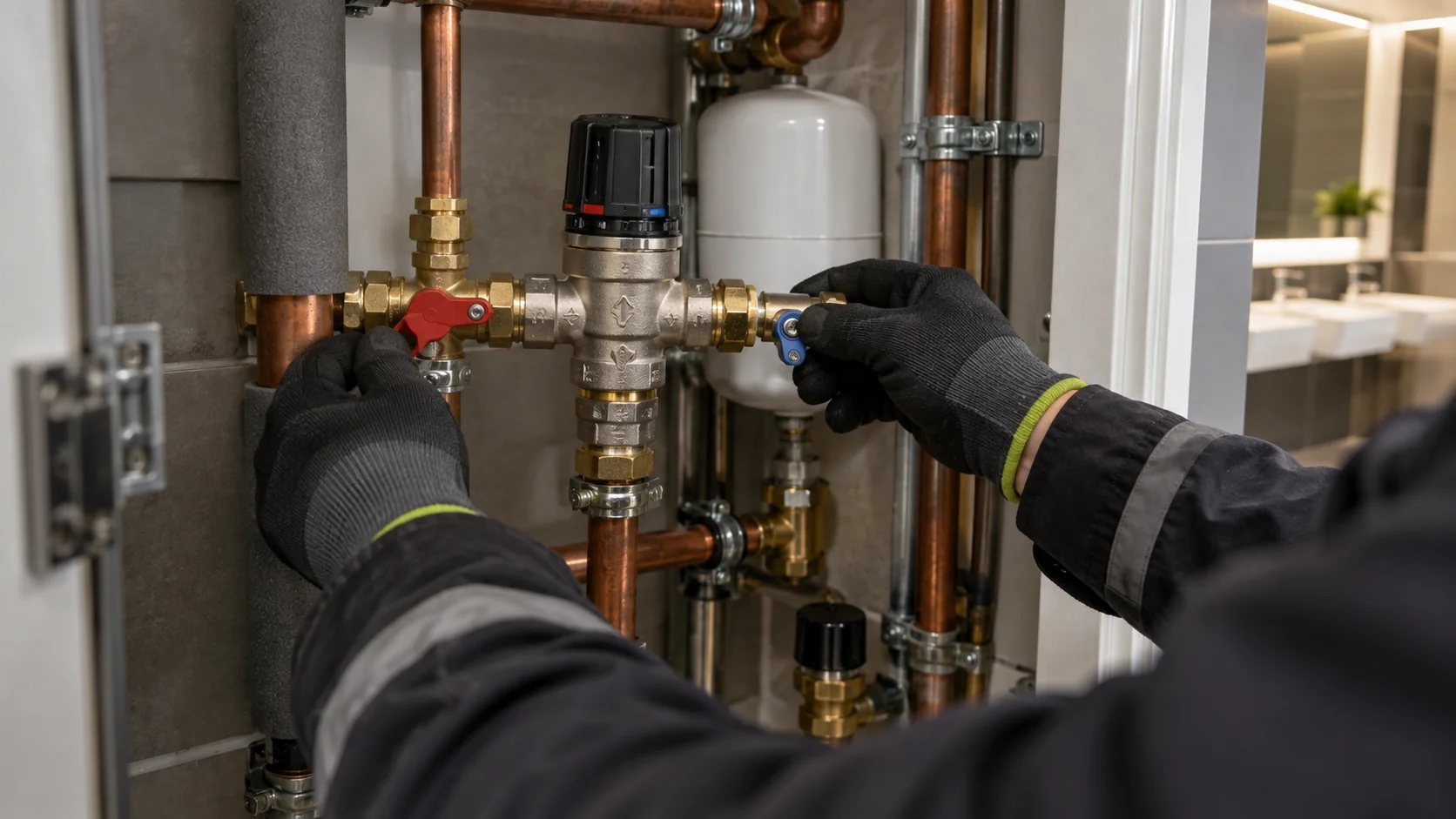
Check what determines TMV service intervals, what a test record should show and how to deal with failed or inaccessible valves.
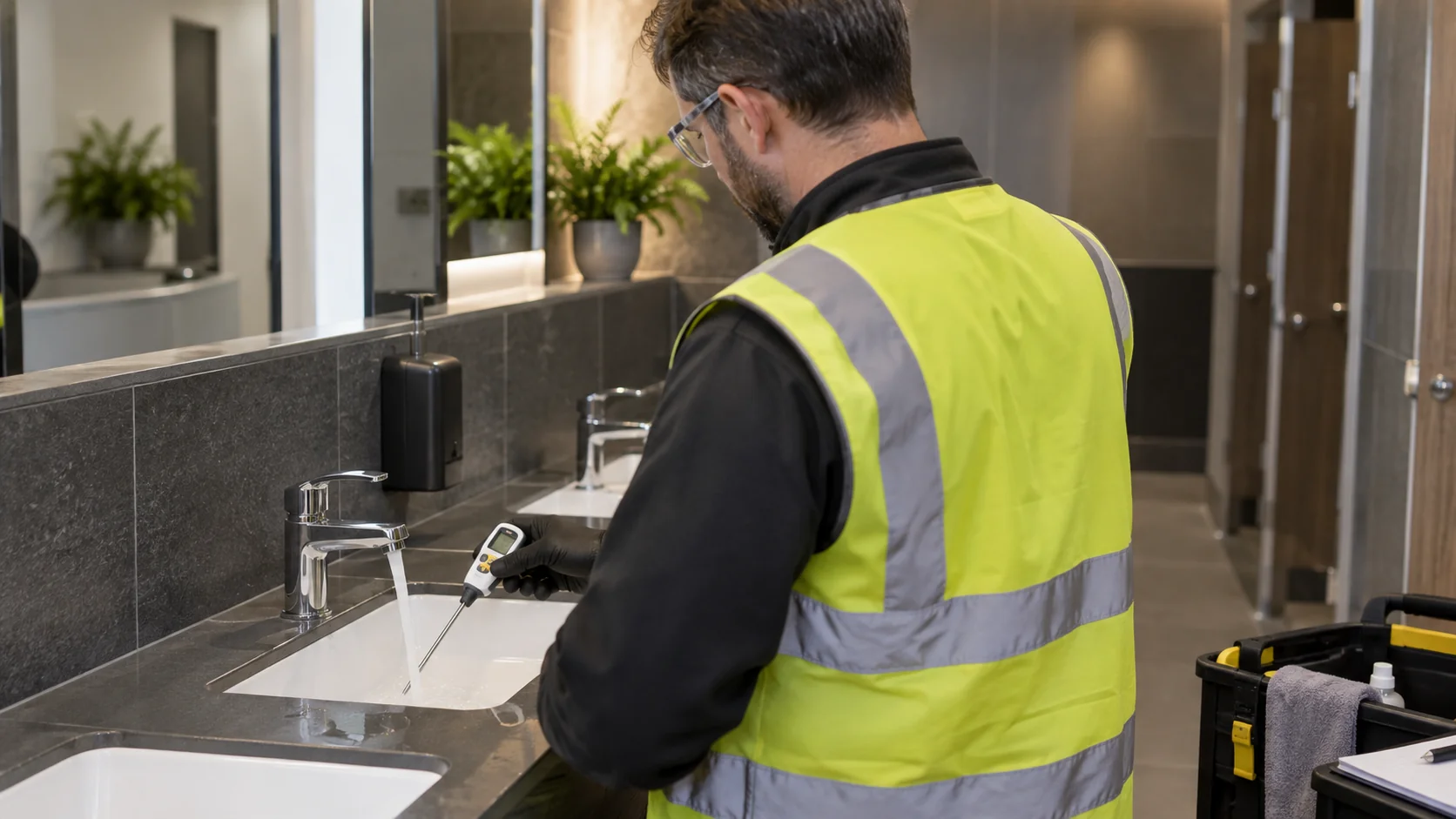
Understand where water temperatures should be checked, how to record results and why a mixed tap reading does not describe the whole system.
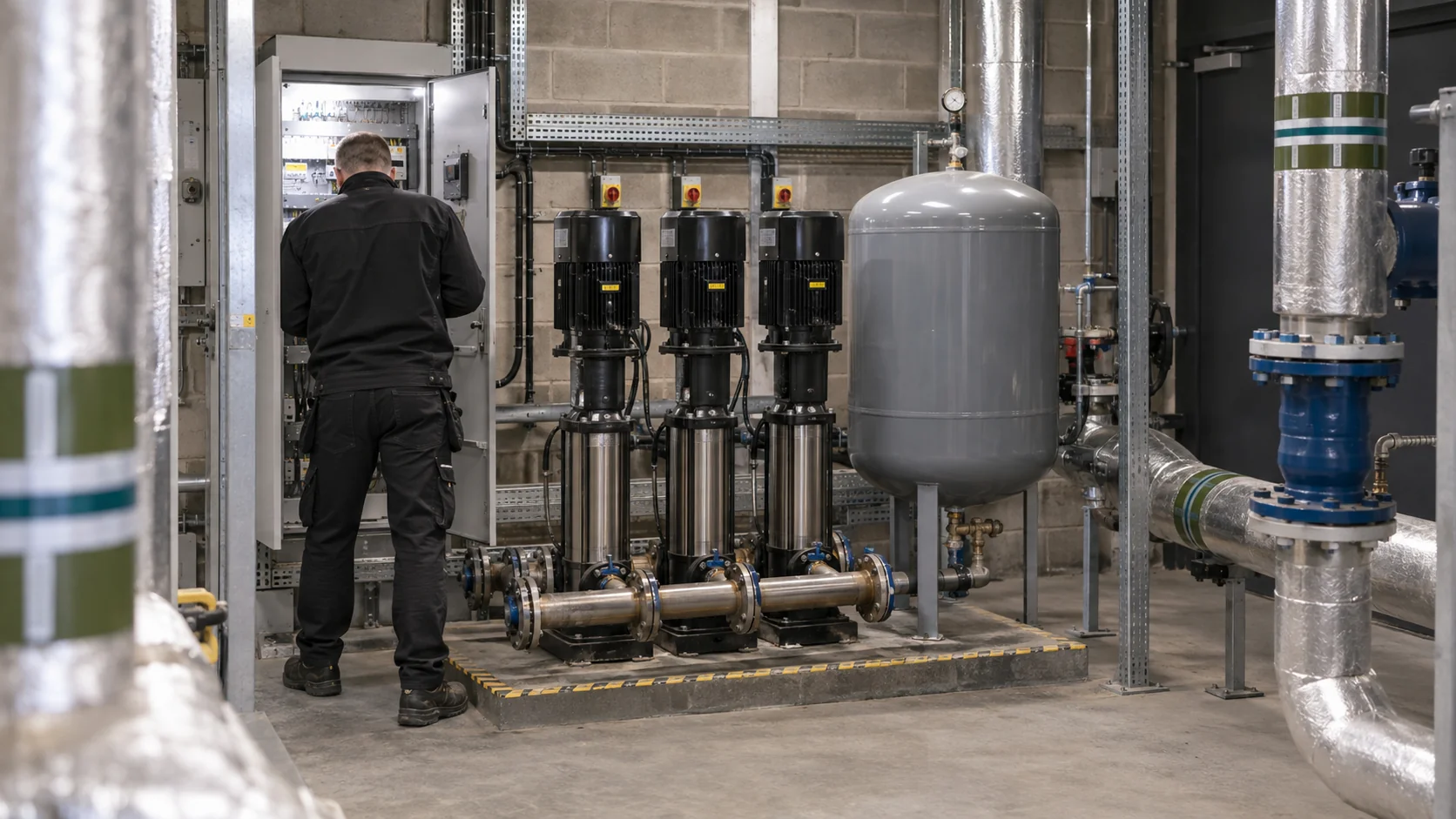
Know what to report about low water pressure and why the affected outlets, demand and measurements matter before selecting a repair.
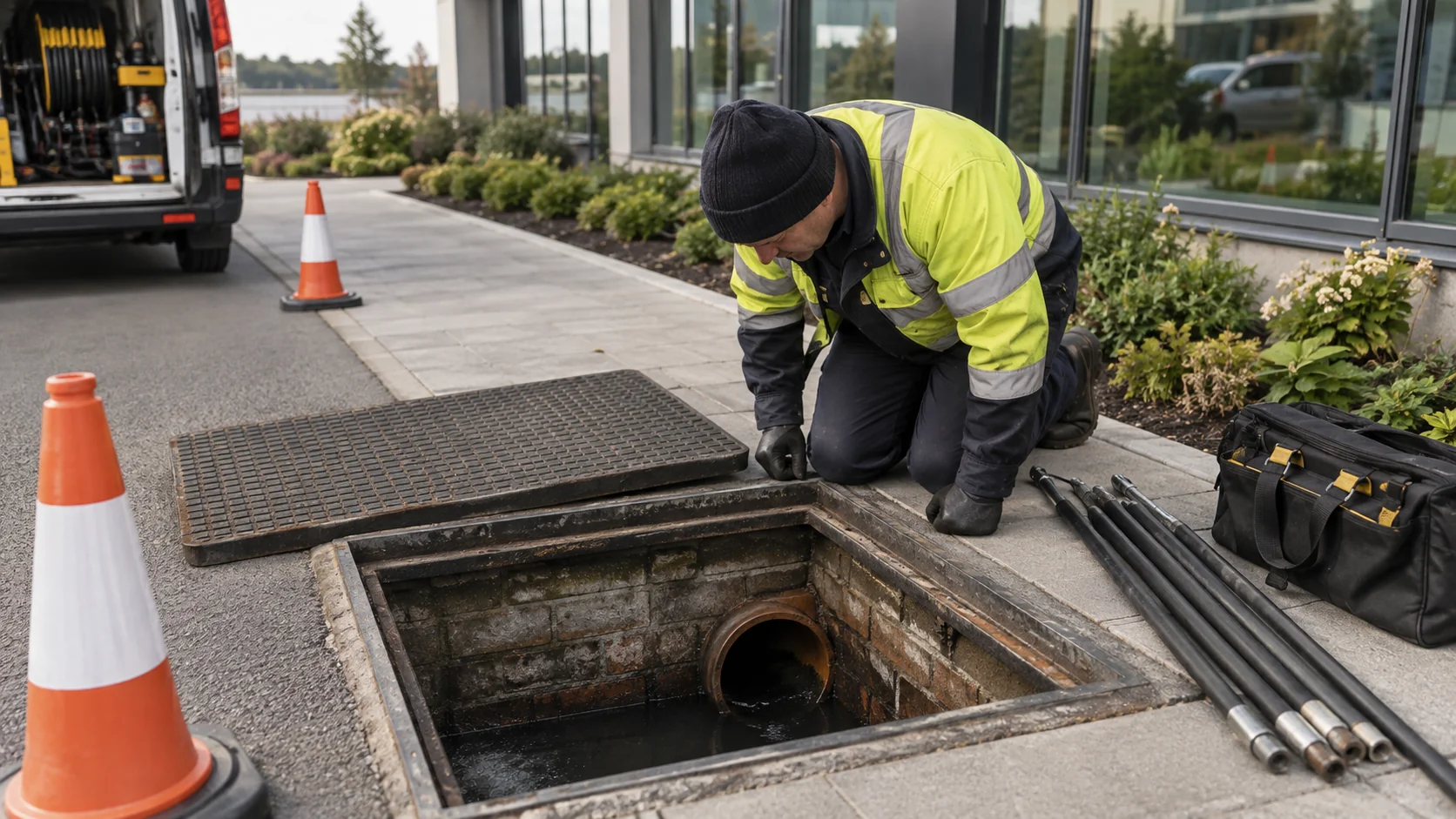
Understand why a drain keeps blocking, what observations help diagnosis and when cleaning alone may leave a defect unresolved.
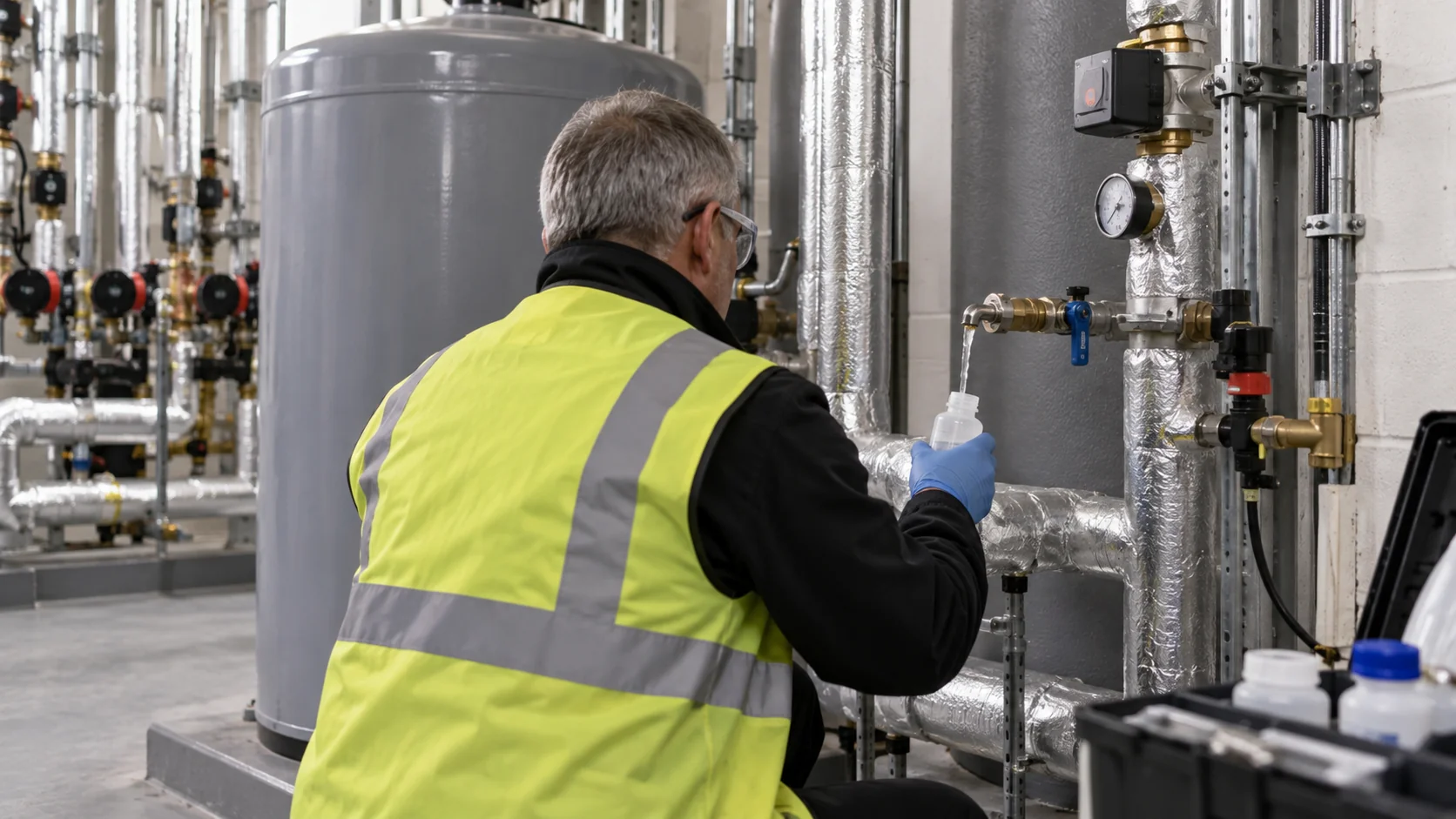
Understand what a legionella assessment covers, which records to prepare and how findings should become managed actions for your property.
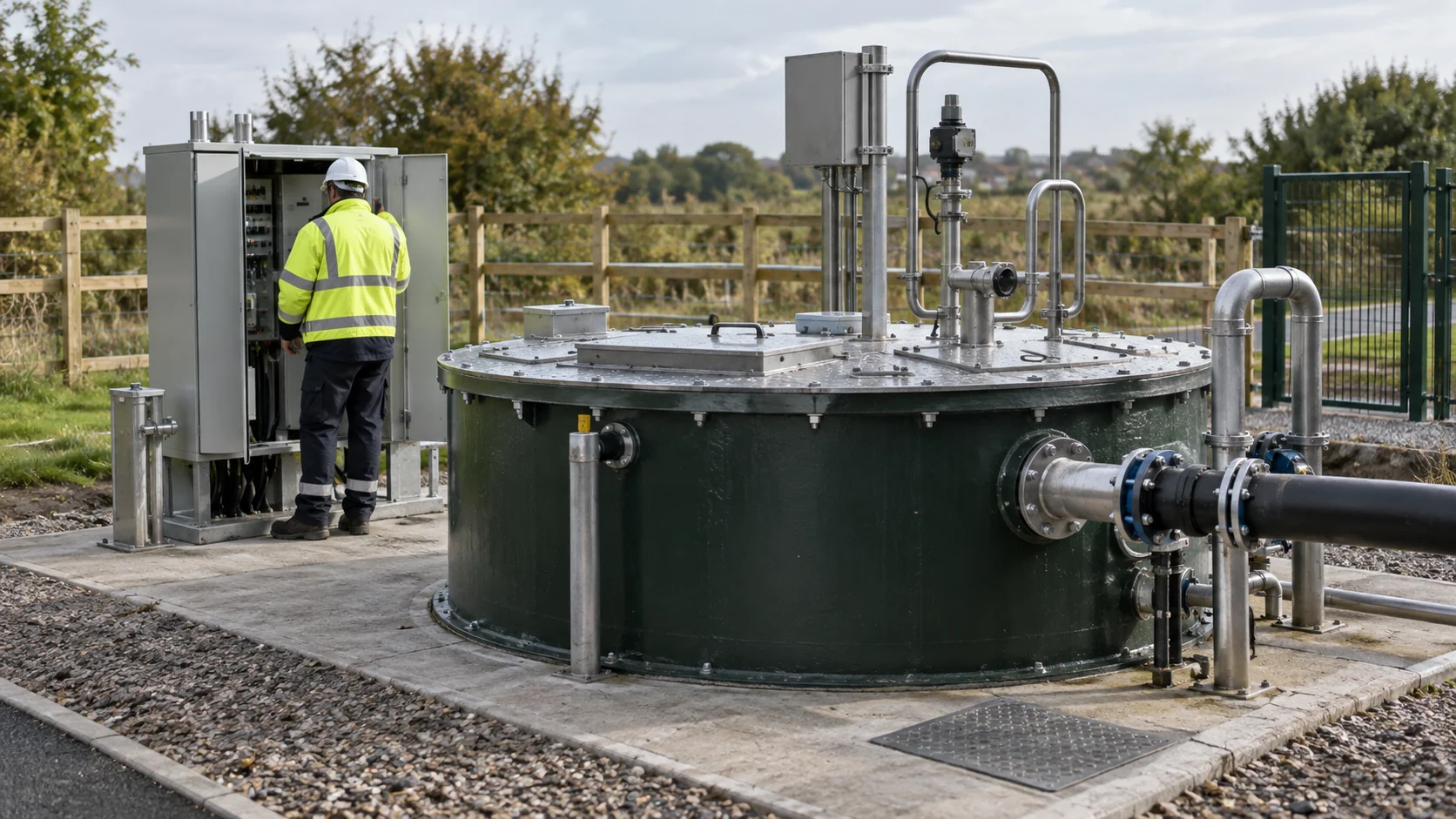
Learn how a sewage pump station works, what an alarm needs from you and which equipment and records belong in its maintenance scope.
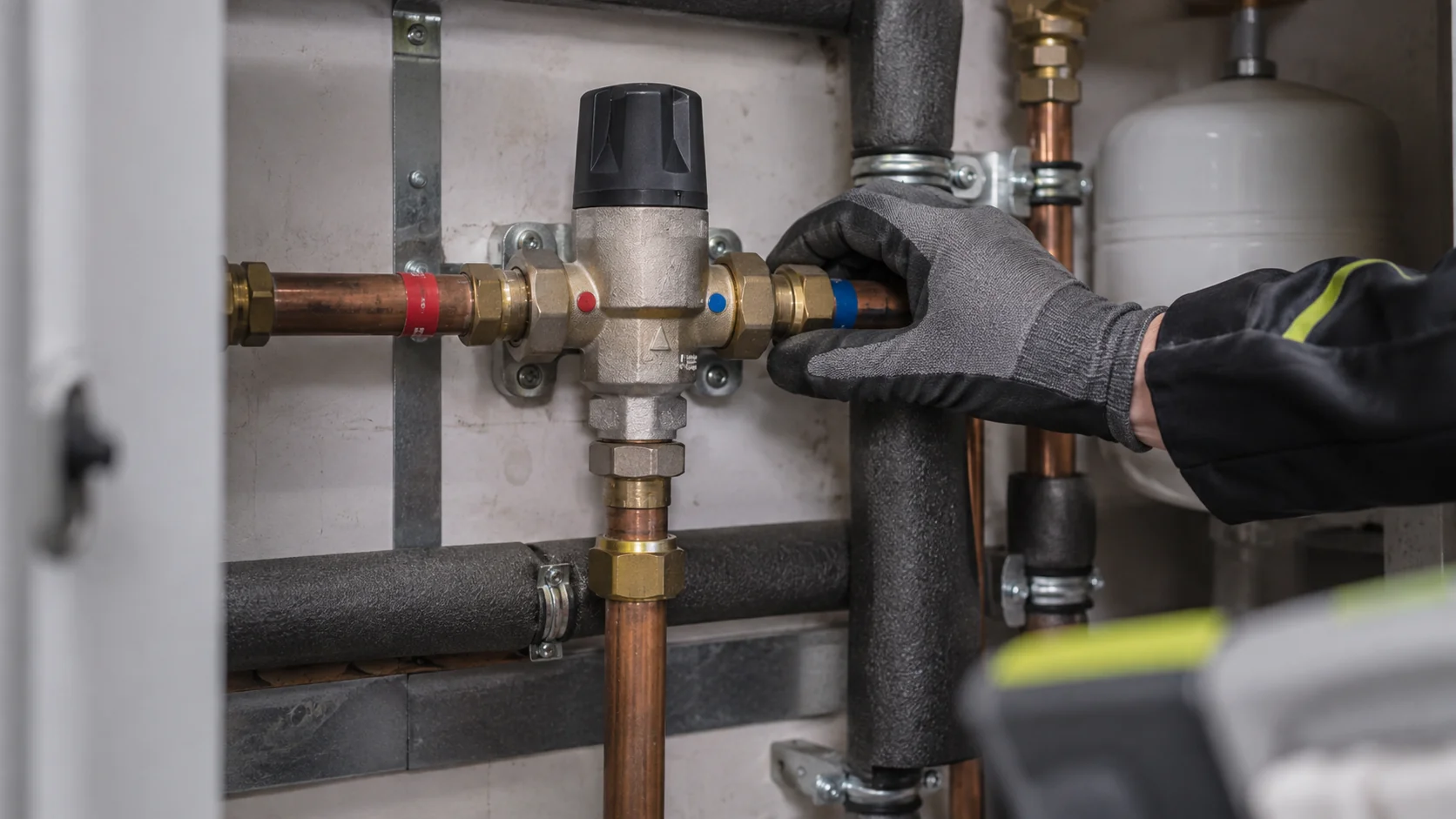
Find out what a TMV does, why it does not replace water-hygiene controls and what information helps with servicing or replacement.
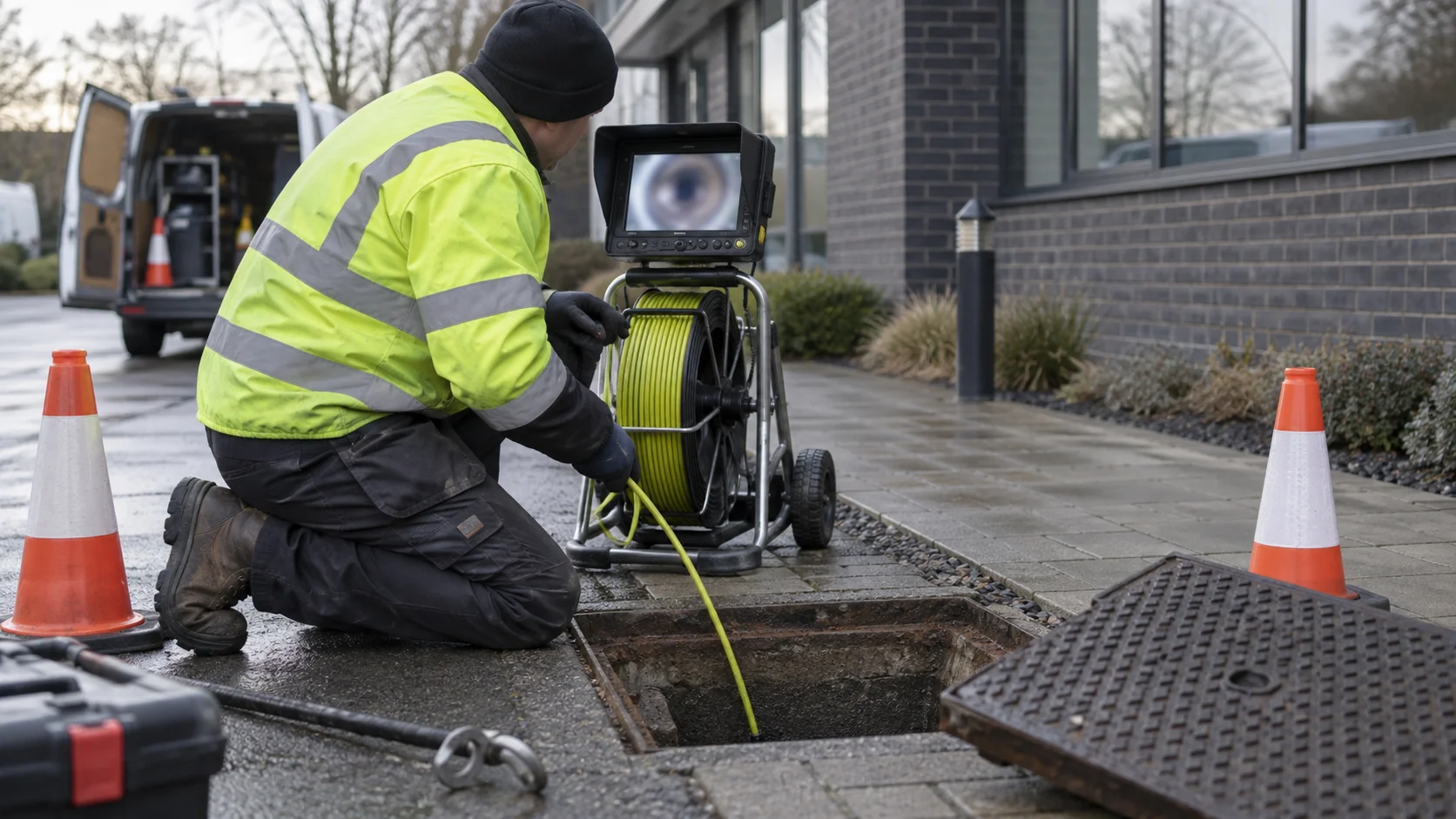
Understand what a CCTV drain survey can show, what may prevent inspection and which records to request before deciding on repair work.
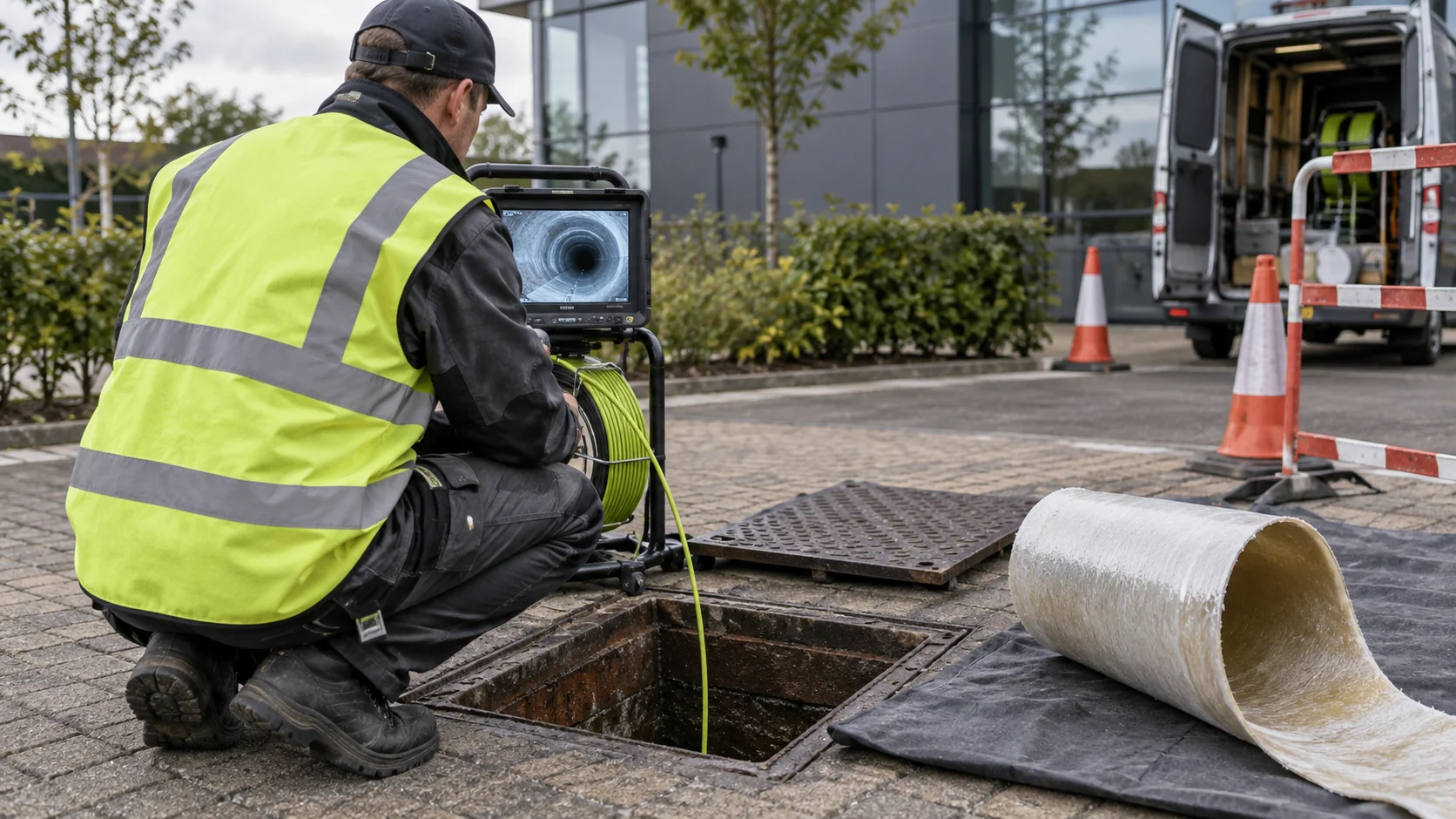
Check whether relining suits your damaged drain and compare preparation, excavation, connections and completion evidence.

Define your refurbishment from room use and retained items through services, disruption, finishes and the completed handover.
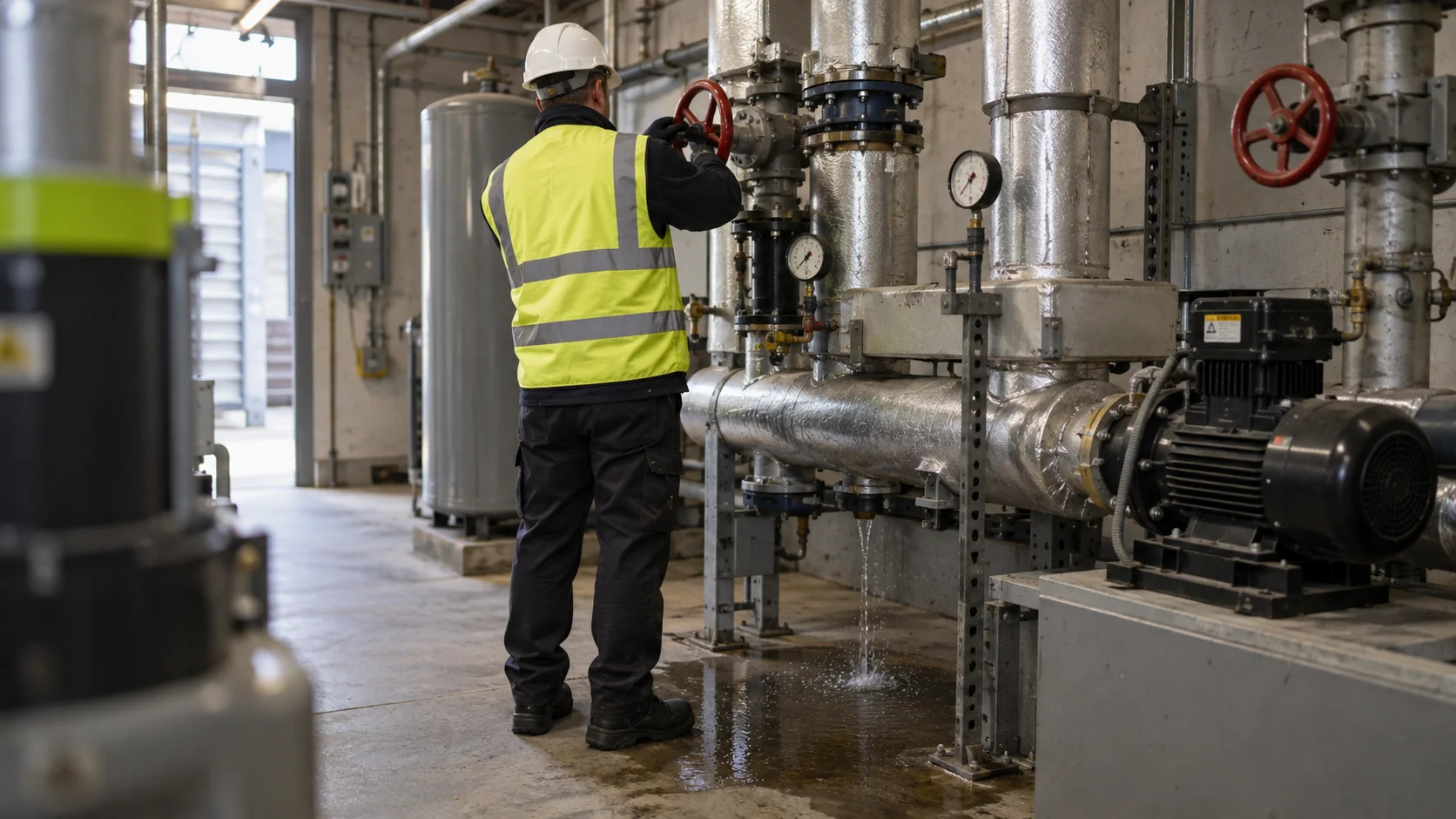
Decide how to report an urgent property fault safely, with clear details of who is affected and what remains unavailable.
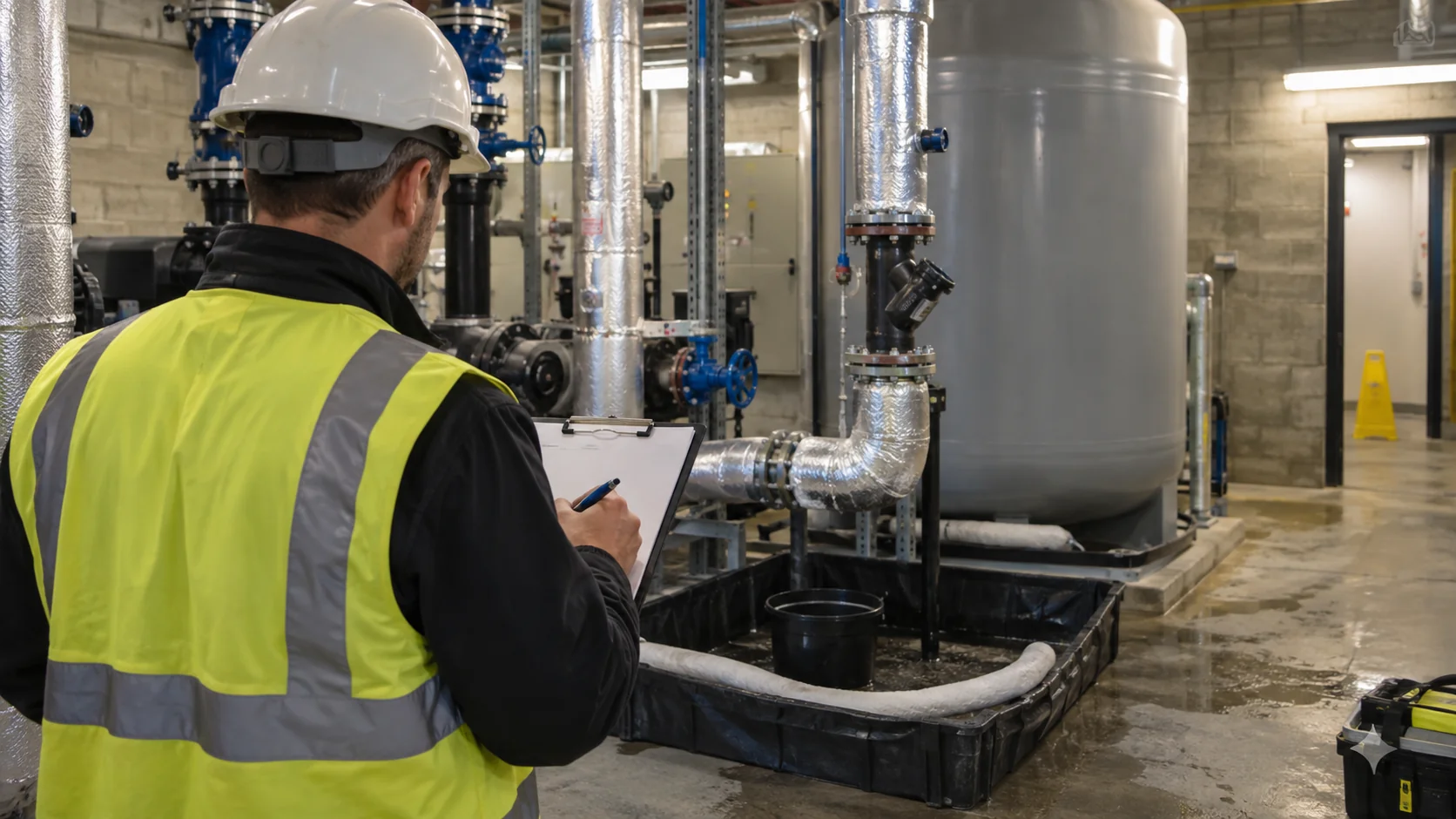
Know what to retain after an emergency visit and how to arrange remaining repairs, approvals and final checks for your property.
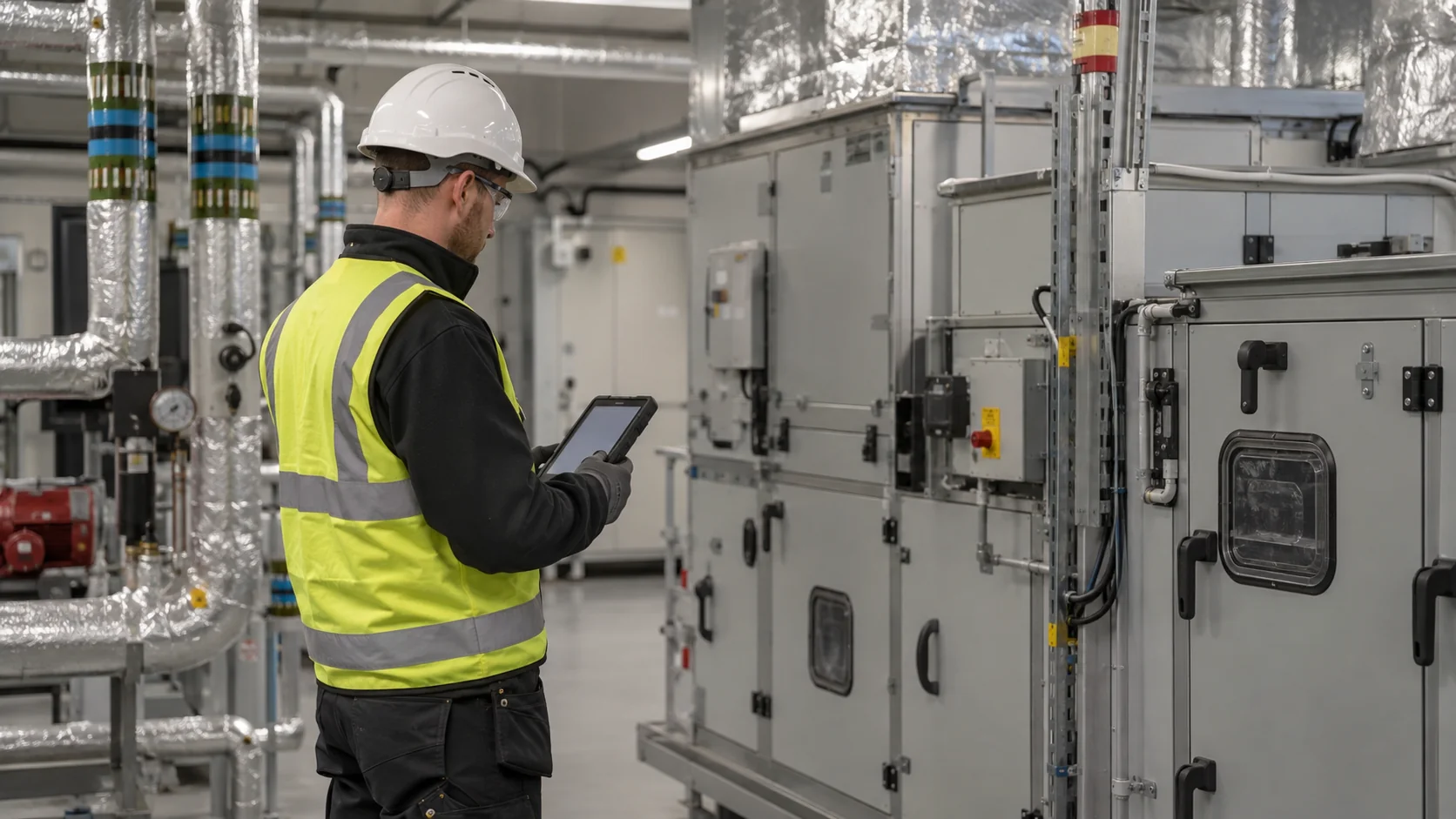
Understand an inconclusive fault visit and agree the evidence, timing or further checks needed if your property's symptoms return.
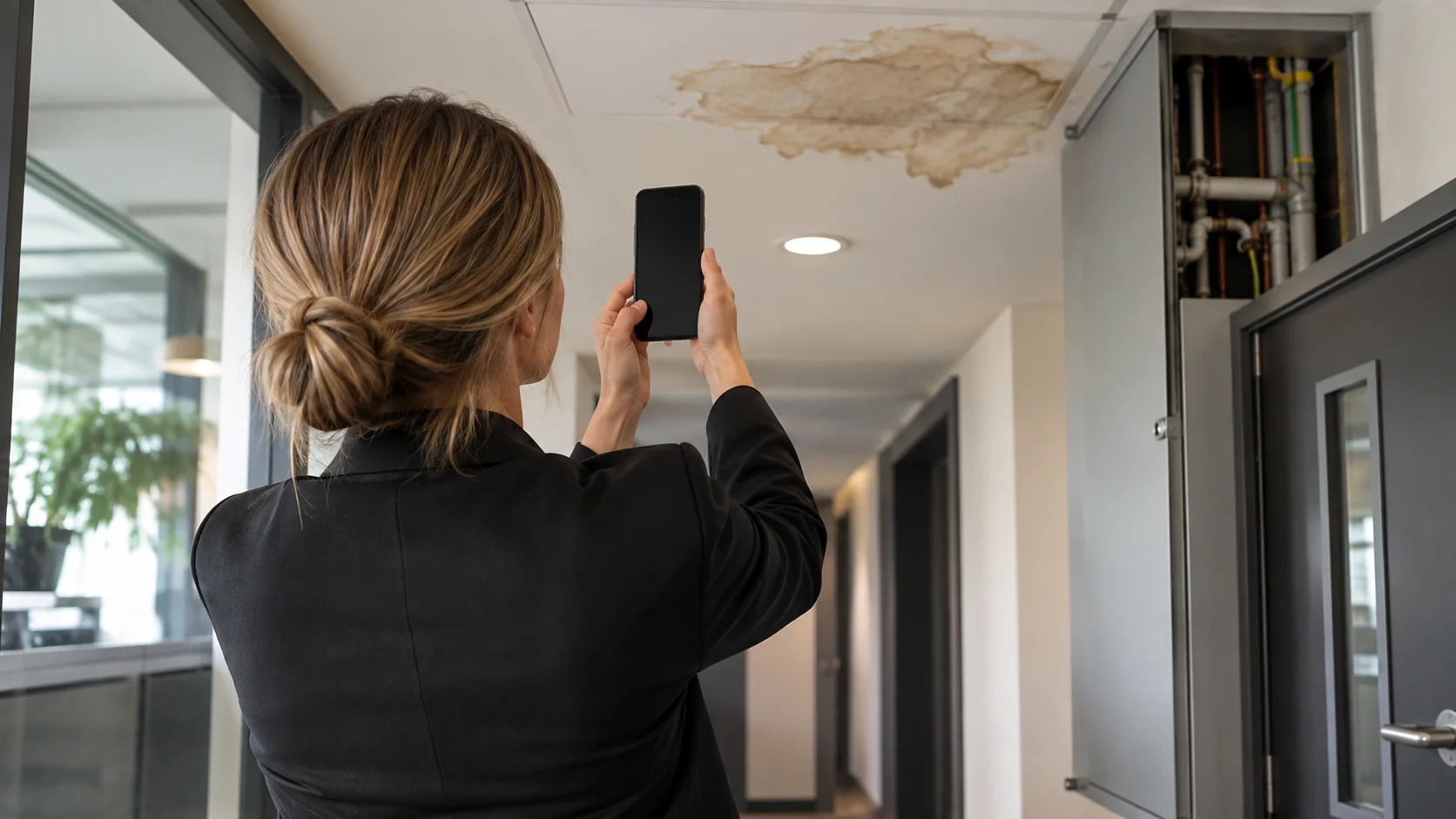
You do not need to diagnose the problem. A clear account and safely taken photographs are a useful place to start.
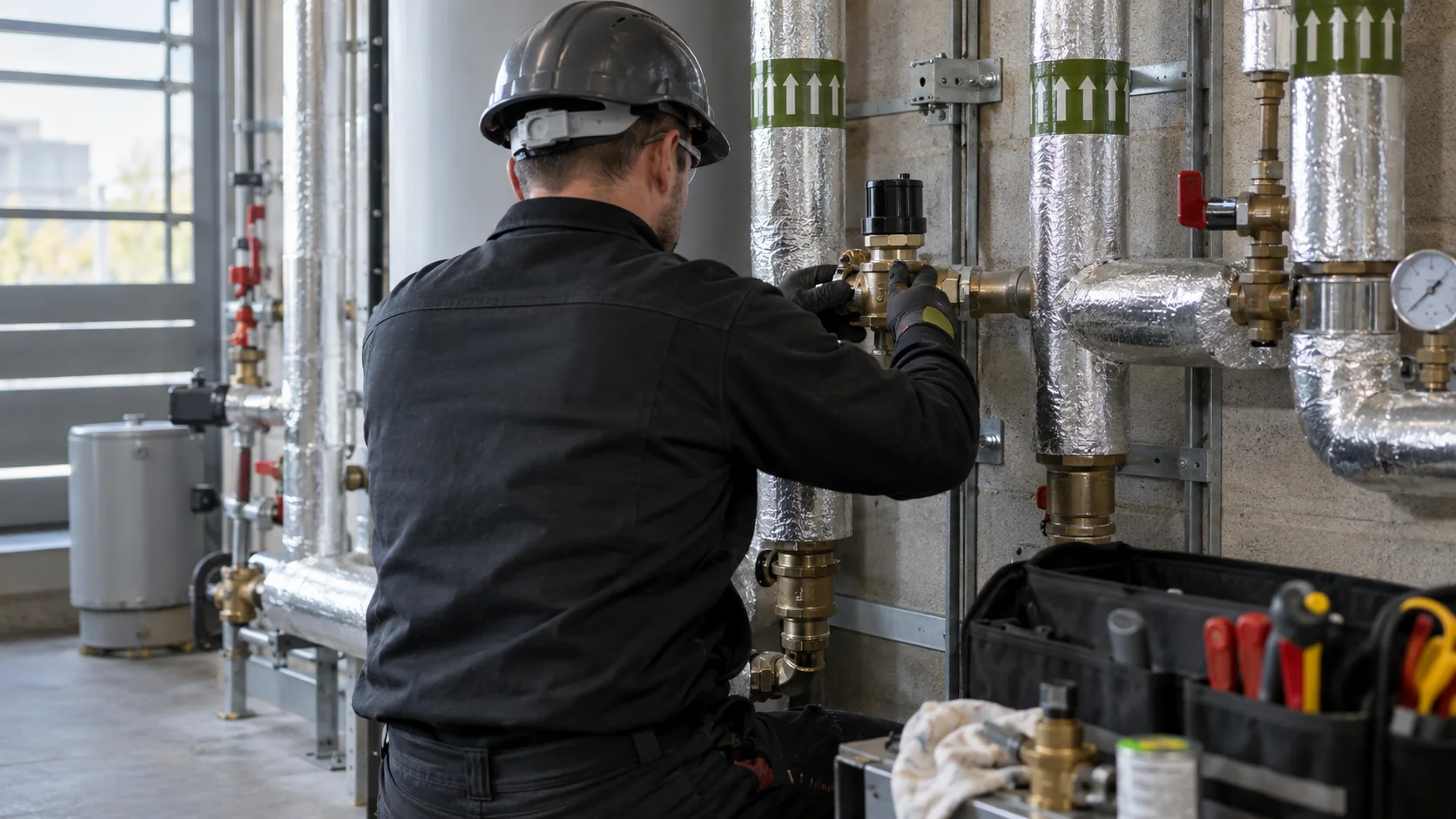
Improve preparation for a first-visit repair and understand when another attendance is necessary to finish the agreed property work.
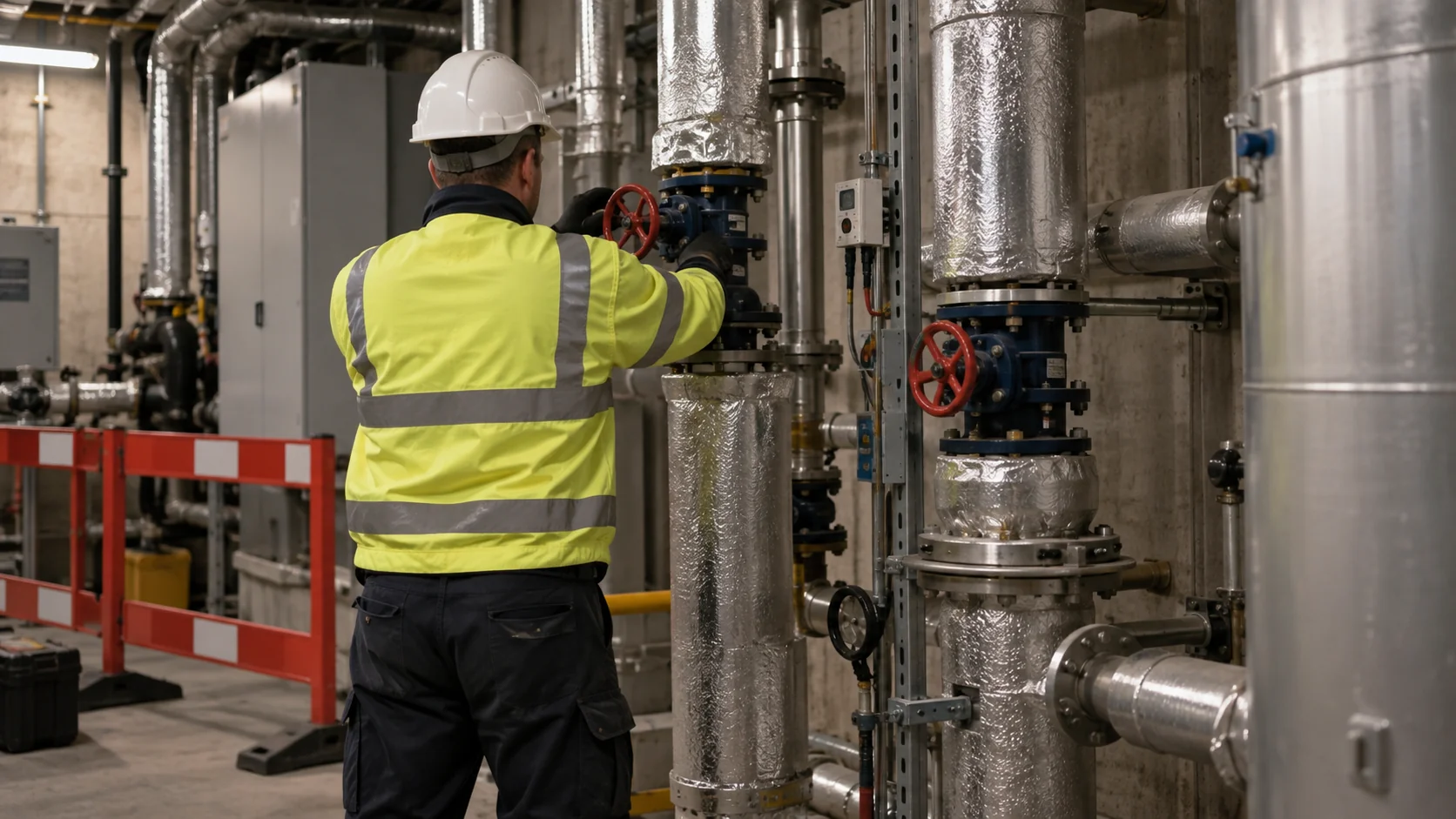
Ask what a make-safe visit has achieved, what you must keep restricted and how to arrange the lasting repair for your property.
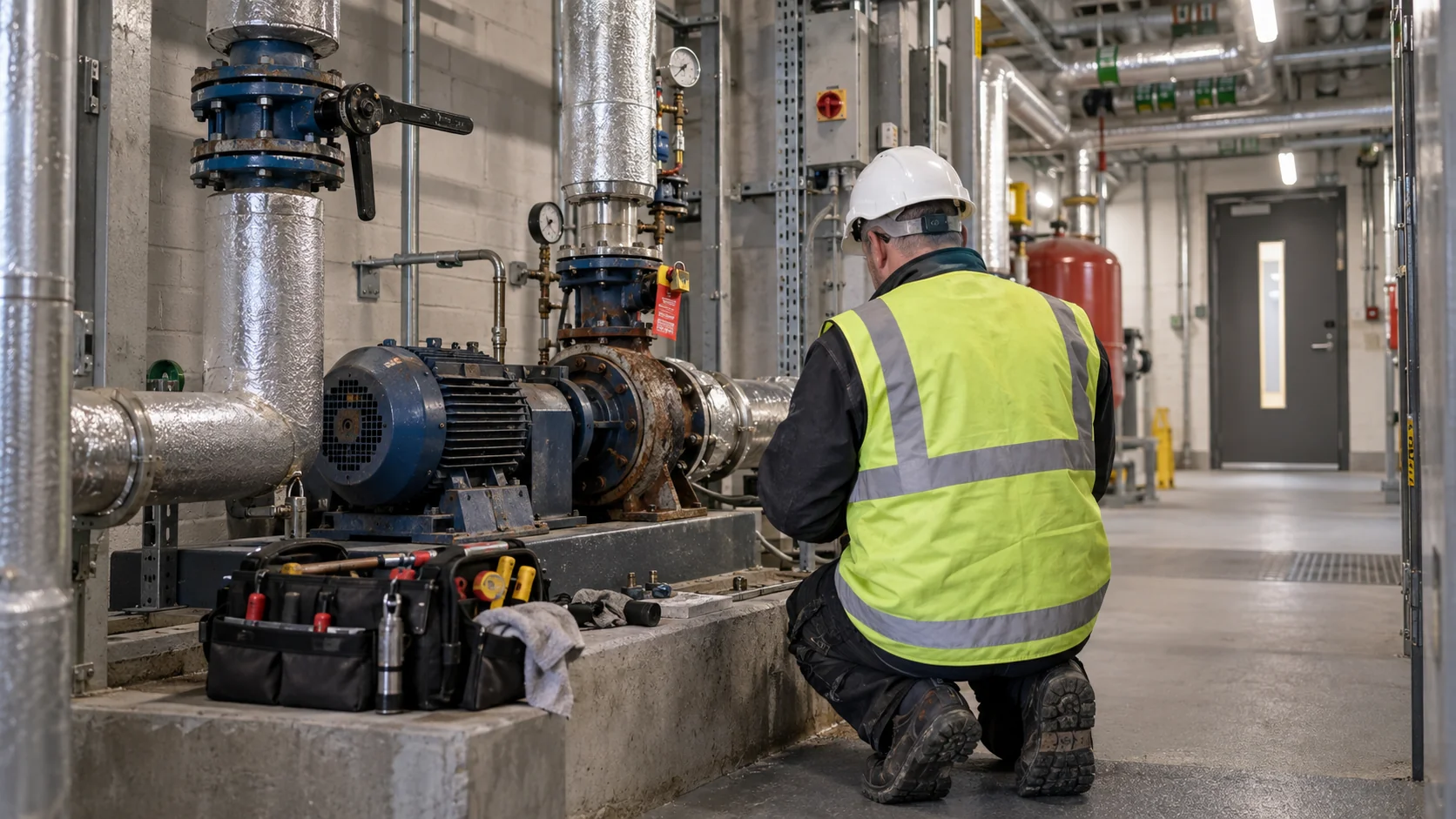
Understand how reactive repairs are instructed and keep diagnosis, temporary measures and unfinished property work connected.
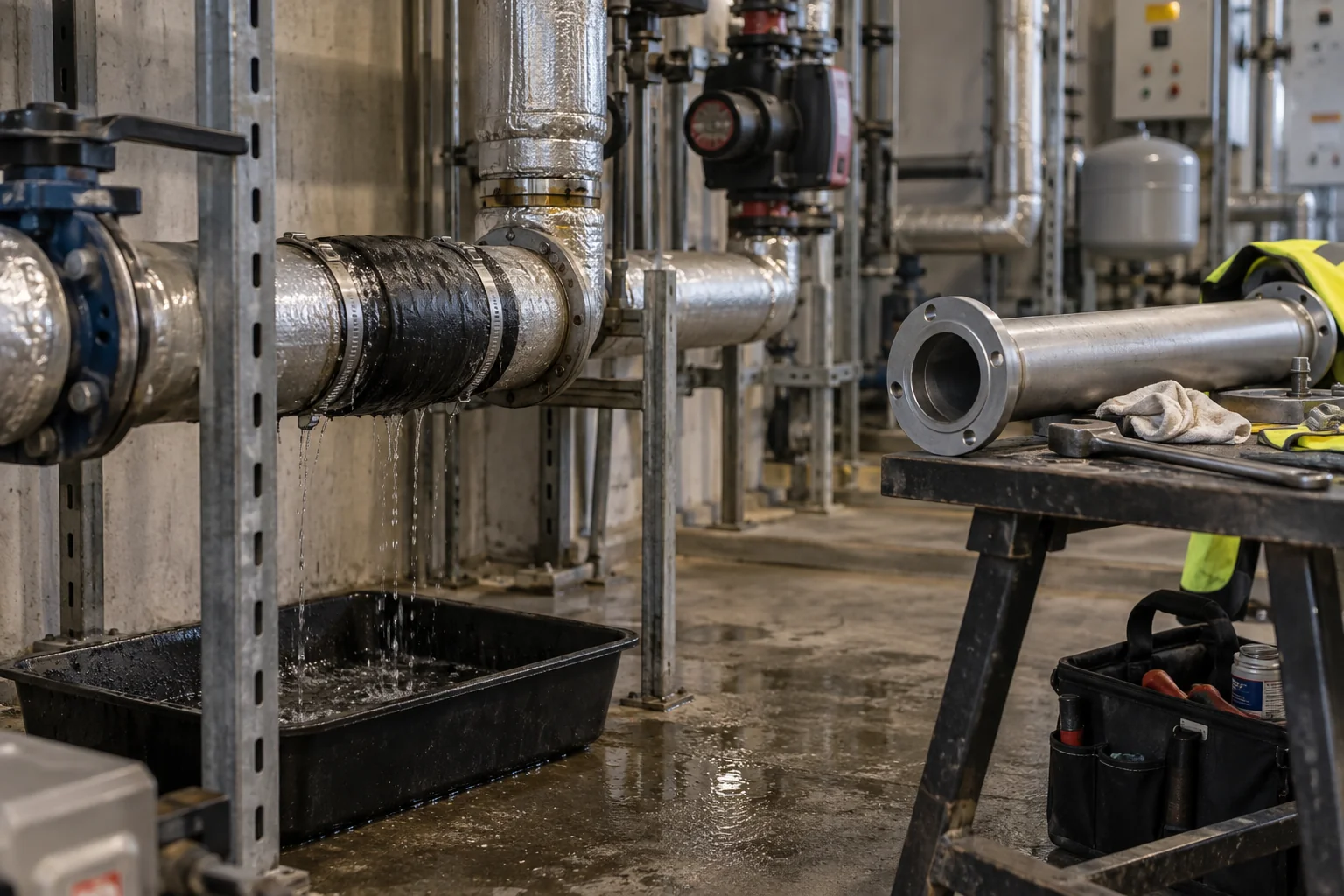
Understand what a temporary repair leaves outstanding and how to move from limited use to a checked, permanent property repair.
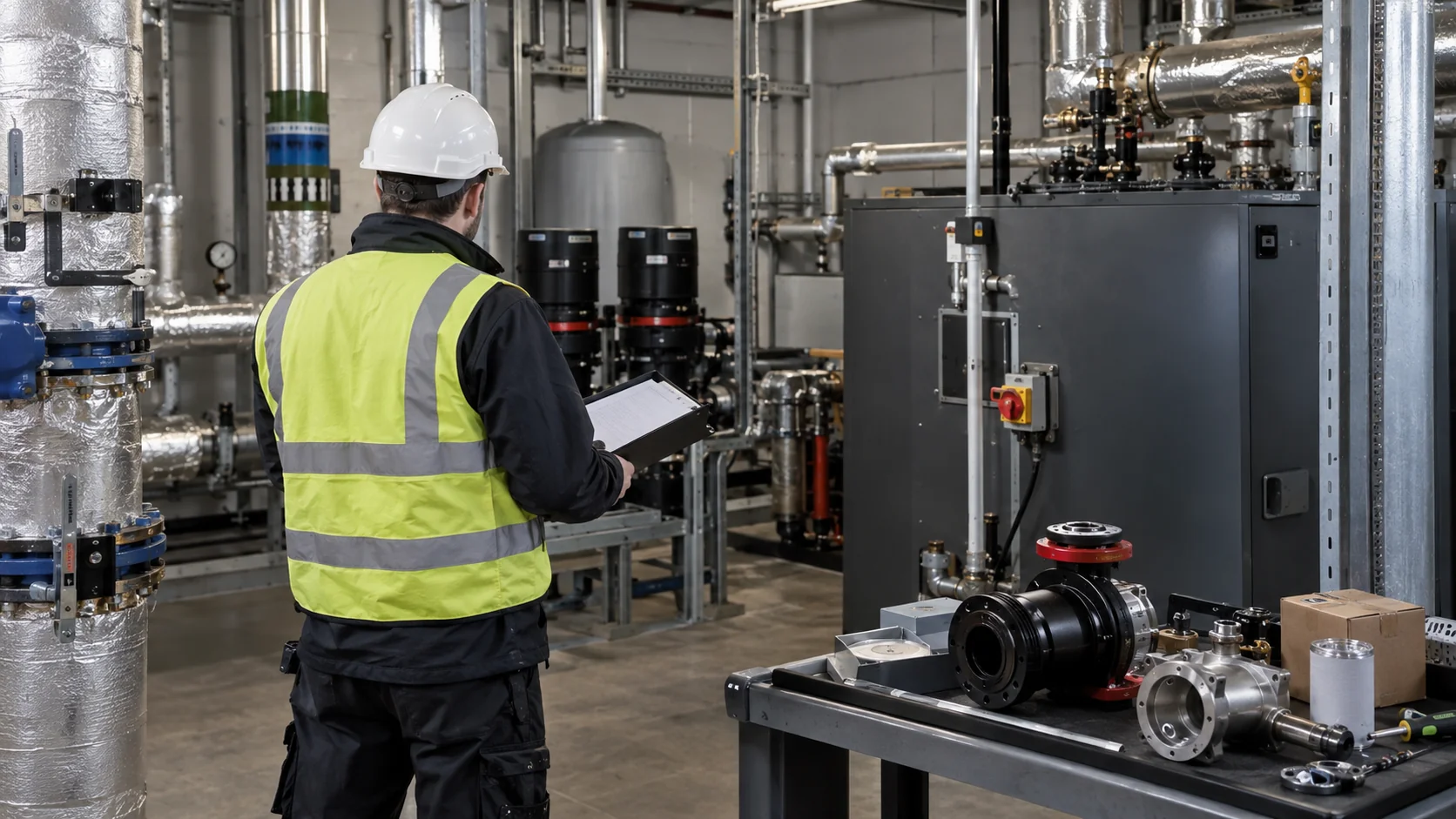
Turn unfinished property repairs into clear next jobs, with named approvers, sensible trade sequencing and evidence of completion.
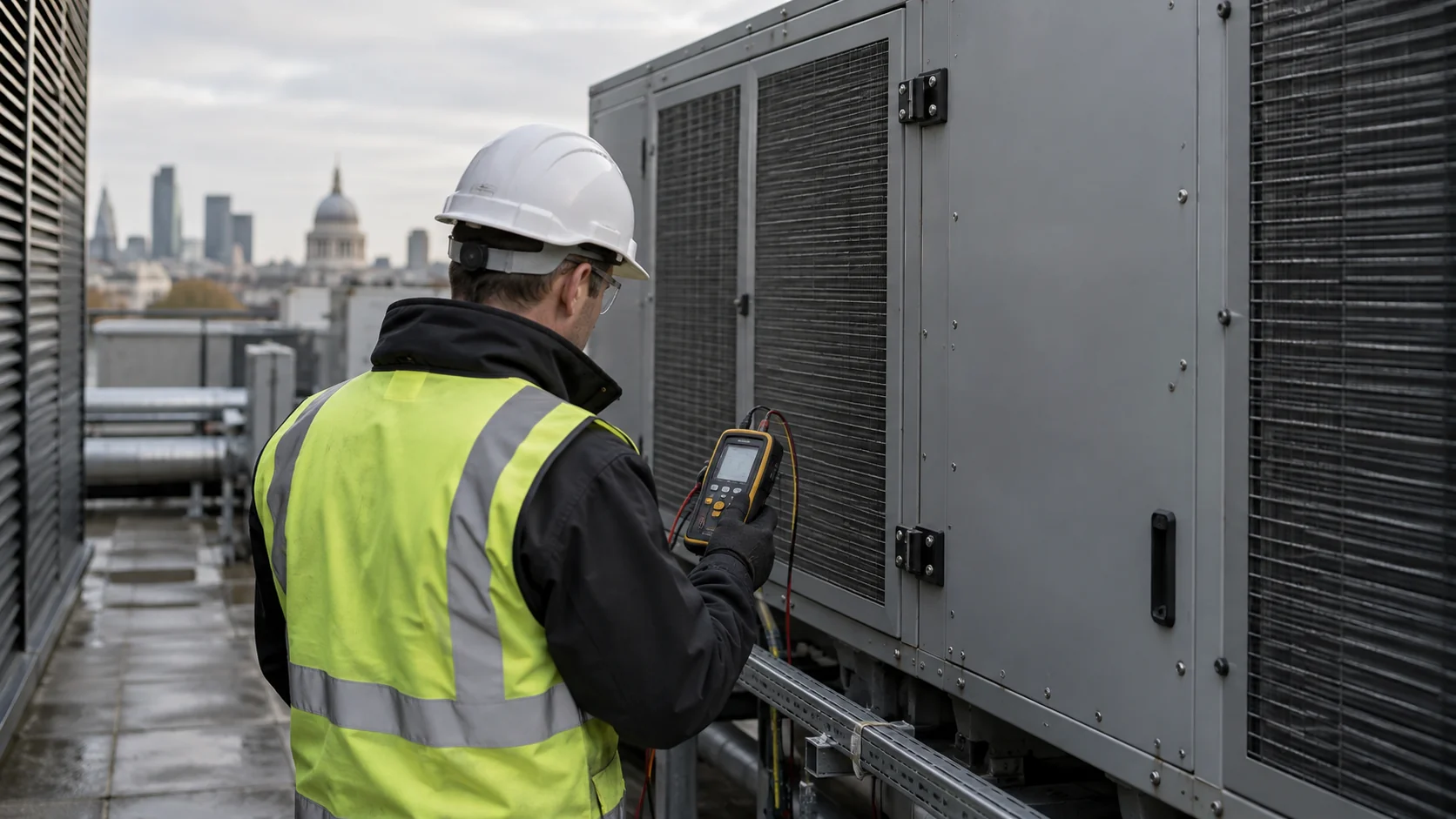
Check what you are paying for in a diagnostic visit and what findings you need before approving further property repairs.

Understand the parts of commercial access control and specify permissions, safe exit and ongoing management for your property.

Automatic-door servicing should follow the door’s risk assessment, manufacturer information, use, environment and applicable maintenance requirements.

CCTV service frequency should reflect the system purpose, environment, reliability and manufacturer guidance, with routine user checks between competent visits.
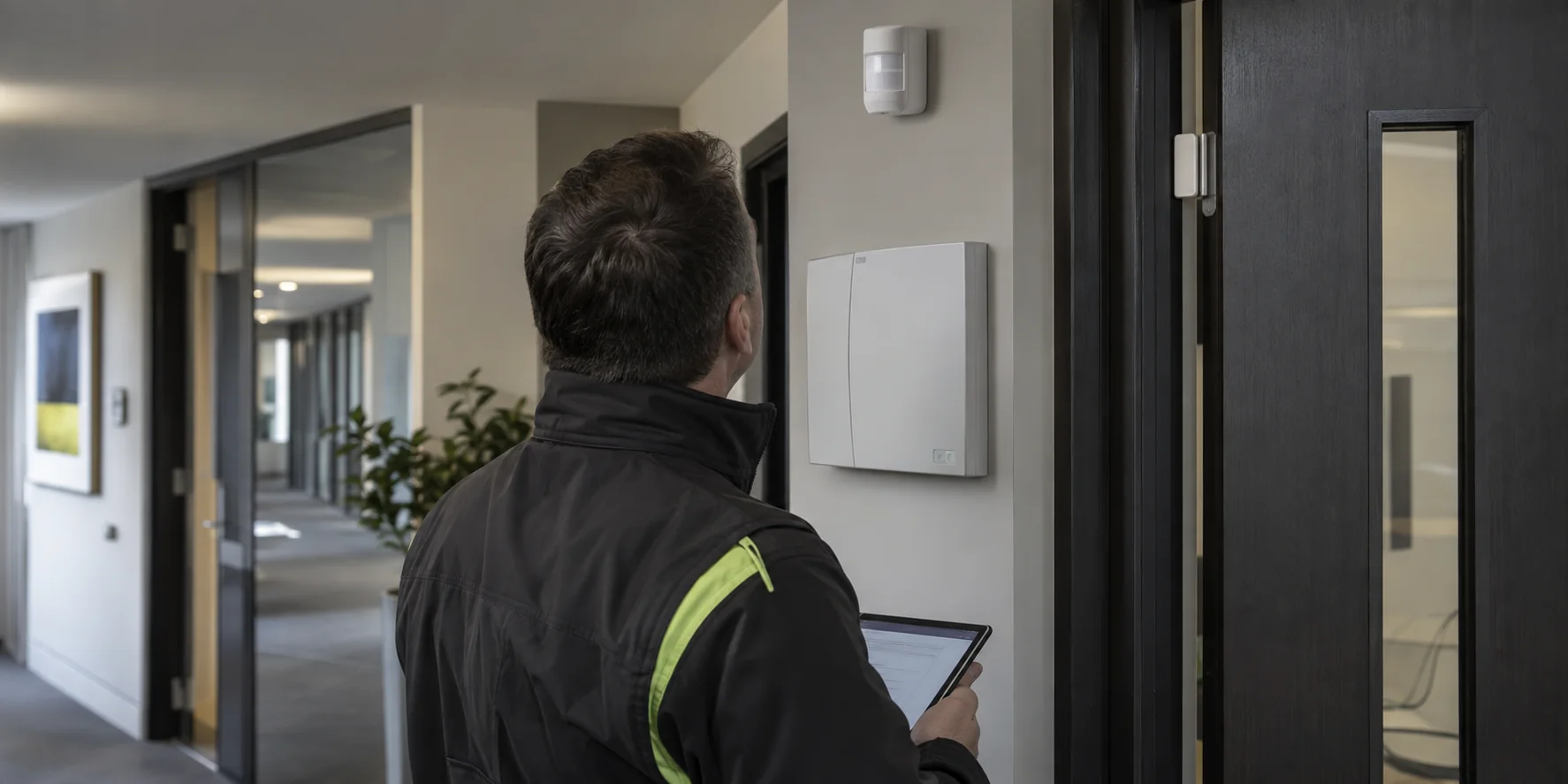
False intruder alarms can result from detectors, environment, users, pets or pests, doors and windows, power, communication faults or unsuitable configuration.
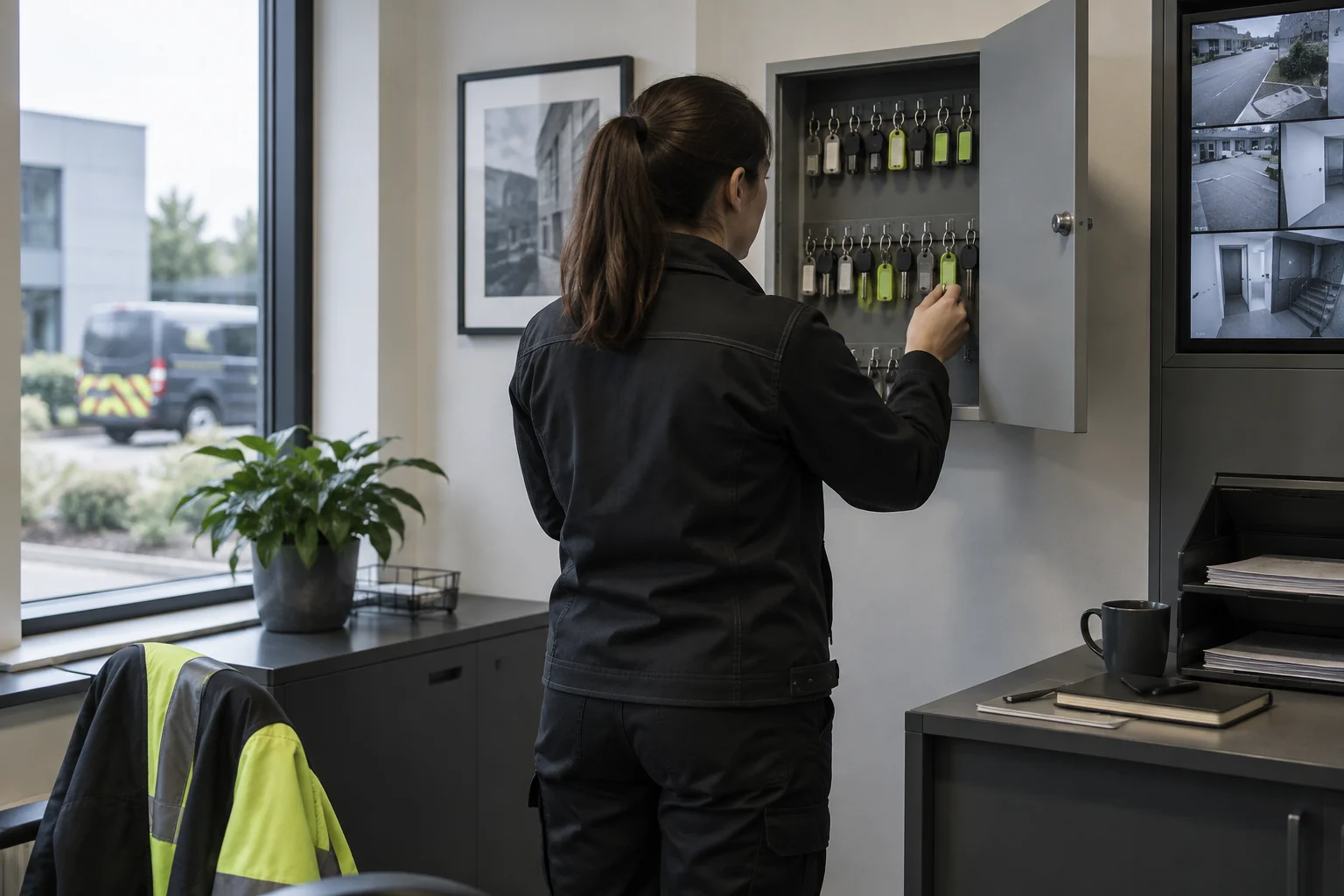
Keyholding arrangements define who securely retains keys or credentials and what authorised action they take when access or an alarm response is required.
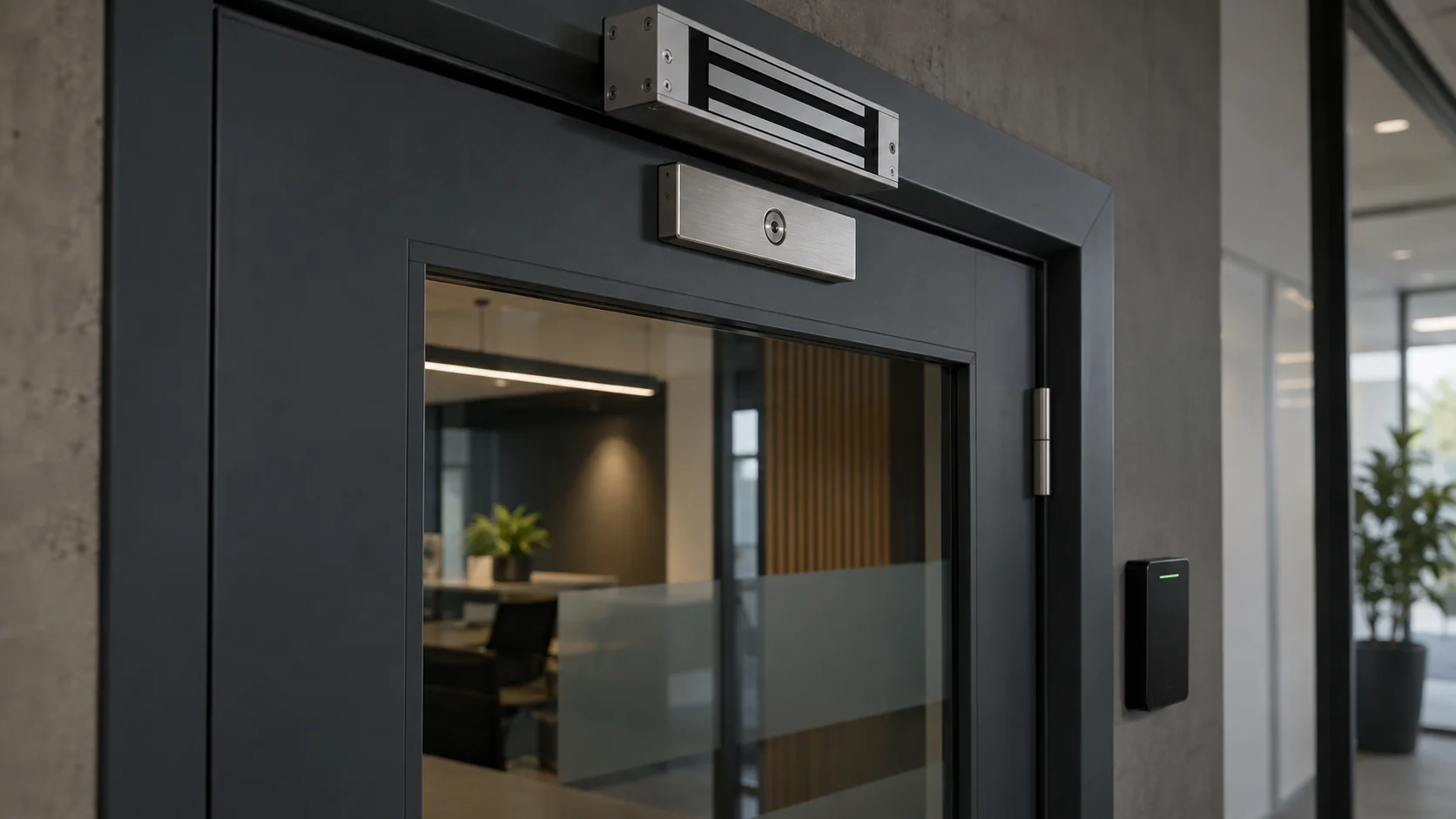
A maglock is an electromagnetic locking device that holds a door while powered and releases when power is removed.
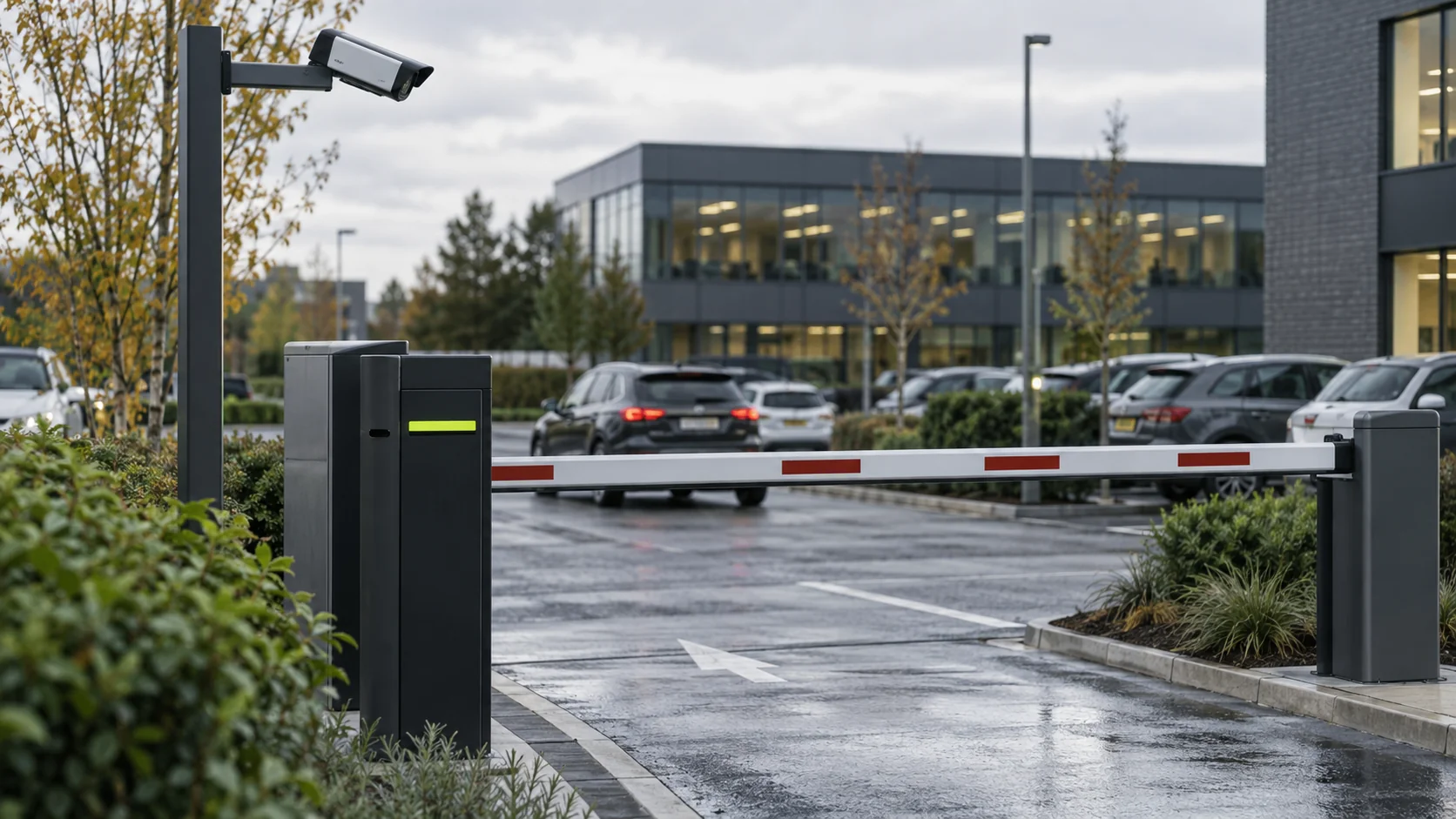
ANPR access control reads vehicle registration marks and uses configured rules to support entry, monitoring or parking workflows.
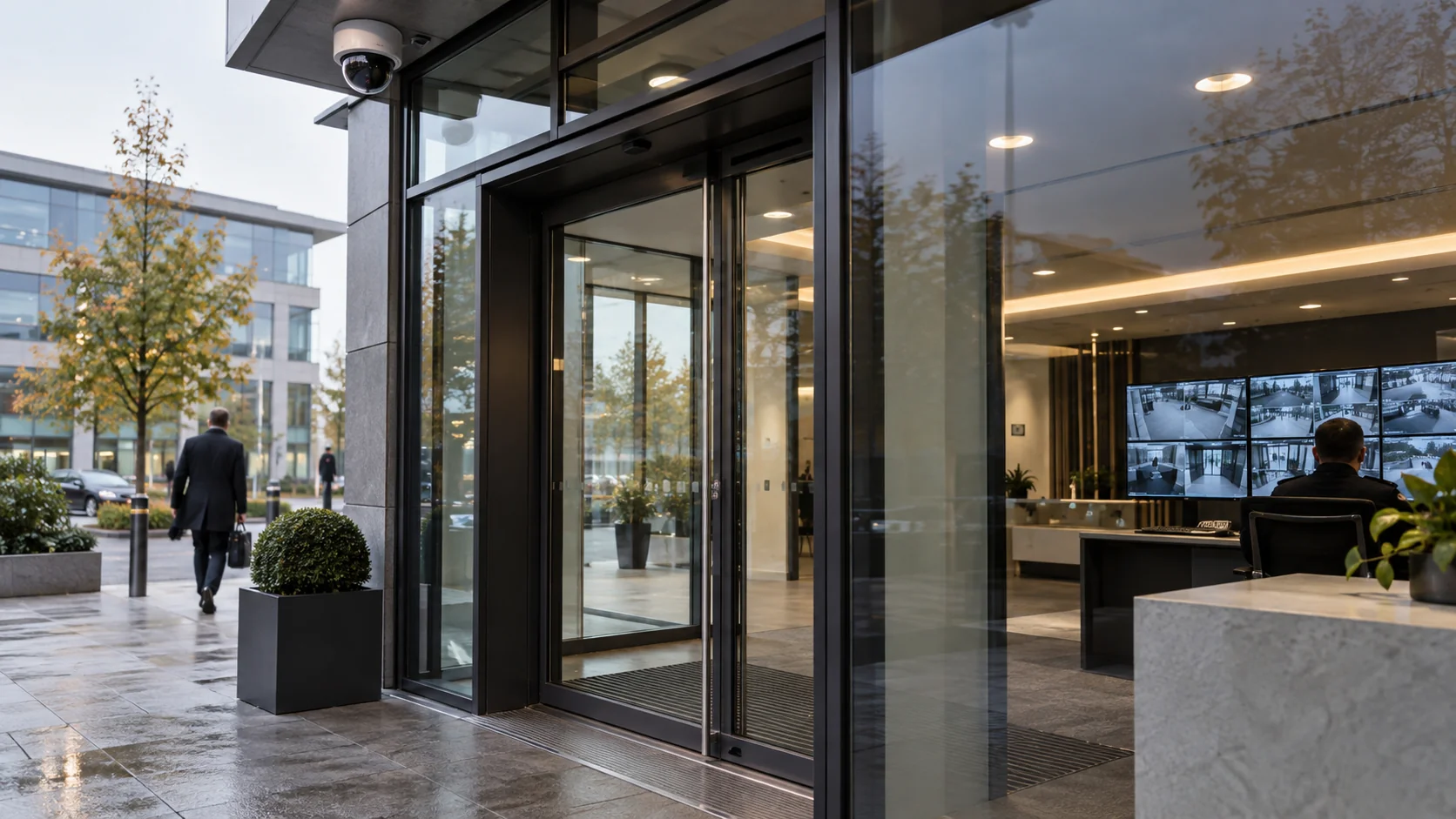
CCTV records or displays video; remote monitoring adds an off-site service or workflow that reviews events and follows an agreed response process.
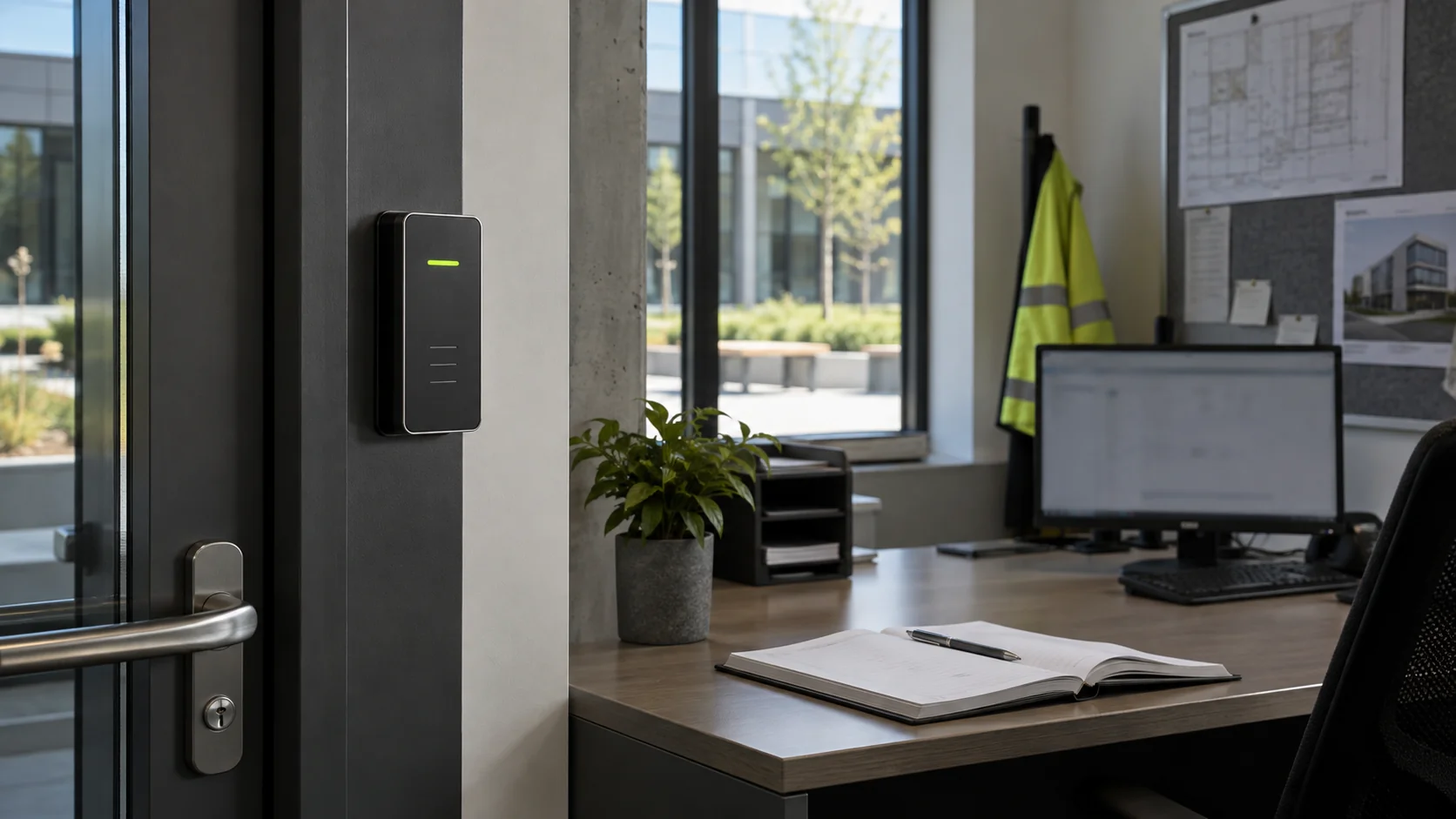
Keep useful access-control records: authorised users, credential changes, system settings, faults, maintenance and proportionate event logs.
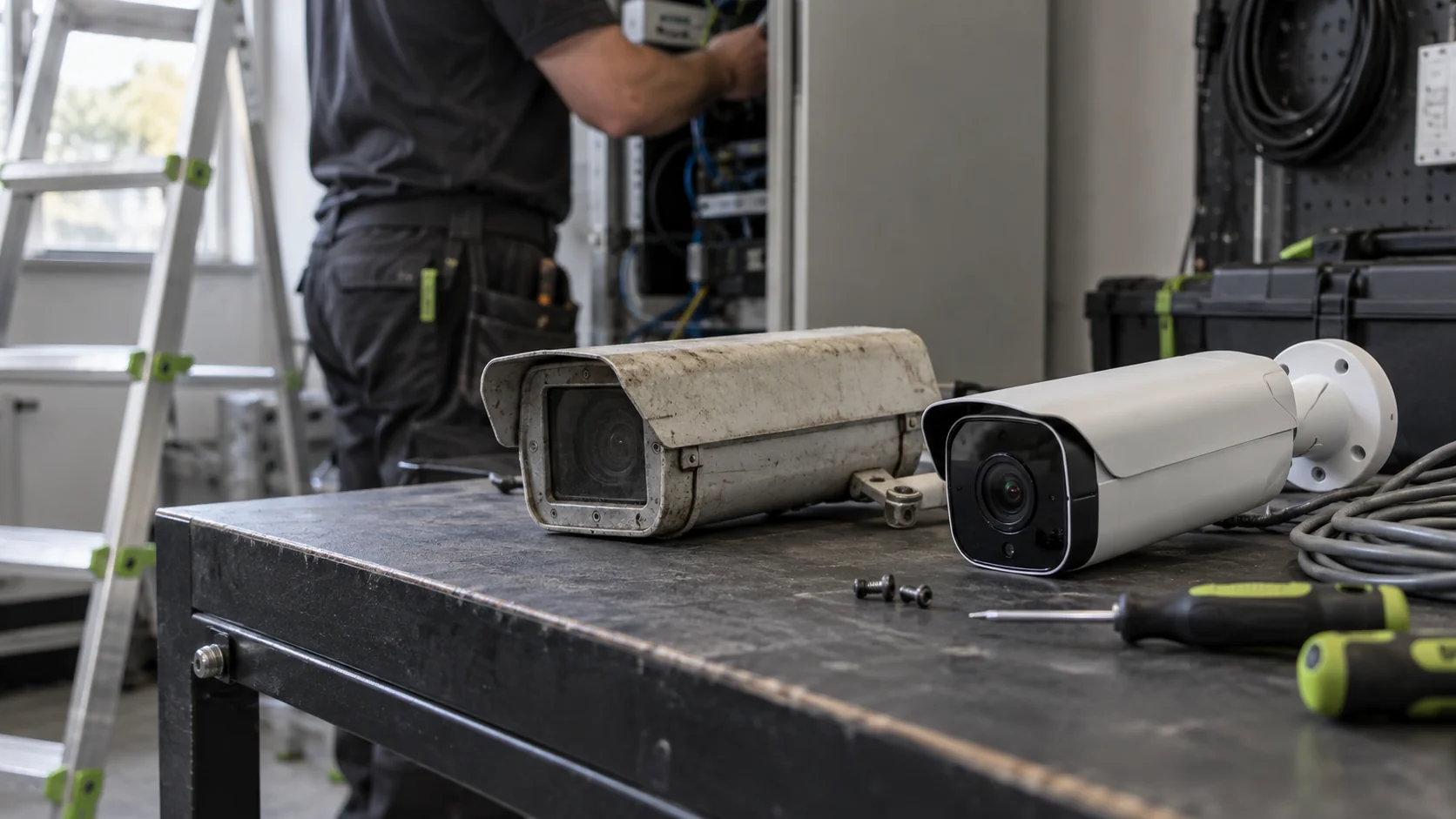
Start with the required evidence and operational purpose.