
Your property brief
Smart Buildings and Facilities Technology
Disconnected records, poor visibility or changing building requirements can justify a technology review. Start with the problem and the people making the decision. Sensors, software and dashboards are useful only when their information is reliable and someone owns the resulting action.
Discuss this service
What the service can include
The offering includes asset capture, digital logbooks, facilities software, dashboards, analytics, BMS, monitoring, smart metering, occupancy information, digital twins and system integration. An instruction can focus on one practical improvement or a coordinated programme, with data and operational boundaries defined.
We provide every service in our catalogue, including the individual services within each trade, for all sectors and locations listed on this website. Tell us what your property needs so we can agree the work, access and timing.
What to consider
Monitoring, prediction and automatic control are different capabilities. The brief must identify which is intended and what evidence supports it. Security, privacy, access and recovery belong in the design, while physical maintenance and specialist assessments remain connected to their proper responsibilities.

A closer look at the property brief.
The work starts with the property.Before we visit
Provide property records, system access and management responsibilities. Identify shared equipment and rights to use or transfer data. Agree the deliverables and update arrangements the owner can maintain after handover.
How we help
We establish the use case and assess existing data and systems before defining the work. Implementation is bounded by the agreed permissions and acceptance criteria. Handover records ownership, configuration, support and limitations so the result can be operated responsibly.
What affects cost and timing
Data quality, system interfaces, licences, devices and support affect cost. A pilot or bounded implementation can establish what is useful before wider investment. Include ongoing administration and maintenance rather than treating setup as the whole commitment.
Property and sector applications
Managing agents need responsibilities and approvals connected to the correct owner. Residential blocks need communal and individual areas distinguished. Retail and hospitality need work coordinated with customers and occupiers. Our complete service and project offering supports all sectors, with scope suited to the property and the people using it.
Local coverage
We cover Northumberland, Tyne and Wear, County Durham and Tees Valley, including Berwick-upon-Tweed, Alnwick, Morpeth, Hexham, Newcastle, Gateshead, Sunderland, Durham, Darlington, Hartlepool, Stockton-on-Tees and Middlesbrough. View all locations.
For several properties, provide separate access and occupancy information. A remote owner can nominate a local representative while retaining a clear route for approving the work.
Frequently asked questions
Does more technology always improve facilities management?
No. Start with a clear decision and the minimum reliable information needed to support it.
Can monitoring replace site maintenance?
No. It provides selected observations and alerts; physical tasks and response arrangements remain separate.
Can existing systems be retained?
Assess compatibility and usefulness before replacing them. Reuse can be appropriate where ownership and interfaces are clear.
Who owns the data after the project?
Agree ownership, export, access and update responsibilities before implementation.
Knowledge and guidance
Read building management systems explained and recording maintenance evidence. Official guidance provides the relevant context for this service. Browse the Knowledge Centre.
Related services and your next step
Explore the services in this family: Asset Tagging and Data Capture, Building Analytics, Building Management Systems, CAFM and IWMS Systems, Digital Logbooks and Compliance Records, Digital Twins, Facilities Dashboards and Reporting, IoT and Remote Monitoring, Occupancy Monitoring, Predictive Asset Analytics, Smart Metering, System Integration and Data Migration. See maintenance, Minor Works, the full services and projects directories.
Contact Black & White Property Services with the address, requirement and relevant property information. Include the owner or manager responsible for access and decisions so the proposal covers the complete job.
Explore this service area
12 pages

Duplicate asset names, missing labels or reports that cannot be matched to equipment undermine maintenance decisions. A new contract or handover is a useful point to establish the register. The task should distinguish assets that exist from records copied forward without confirmation.

Unexpected consumption, recurring comfort complaints or conflicting reports can justify analysis. Start with a question and identify the data that can answer it. A large dashboard does not by itself explain whether a change comes from equipment, occupancy, weather or a missing reading.
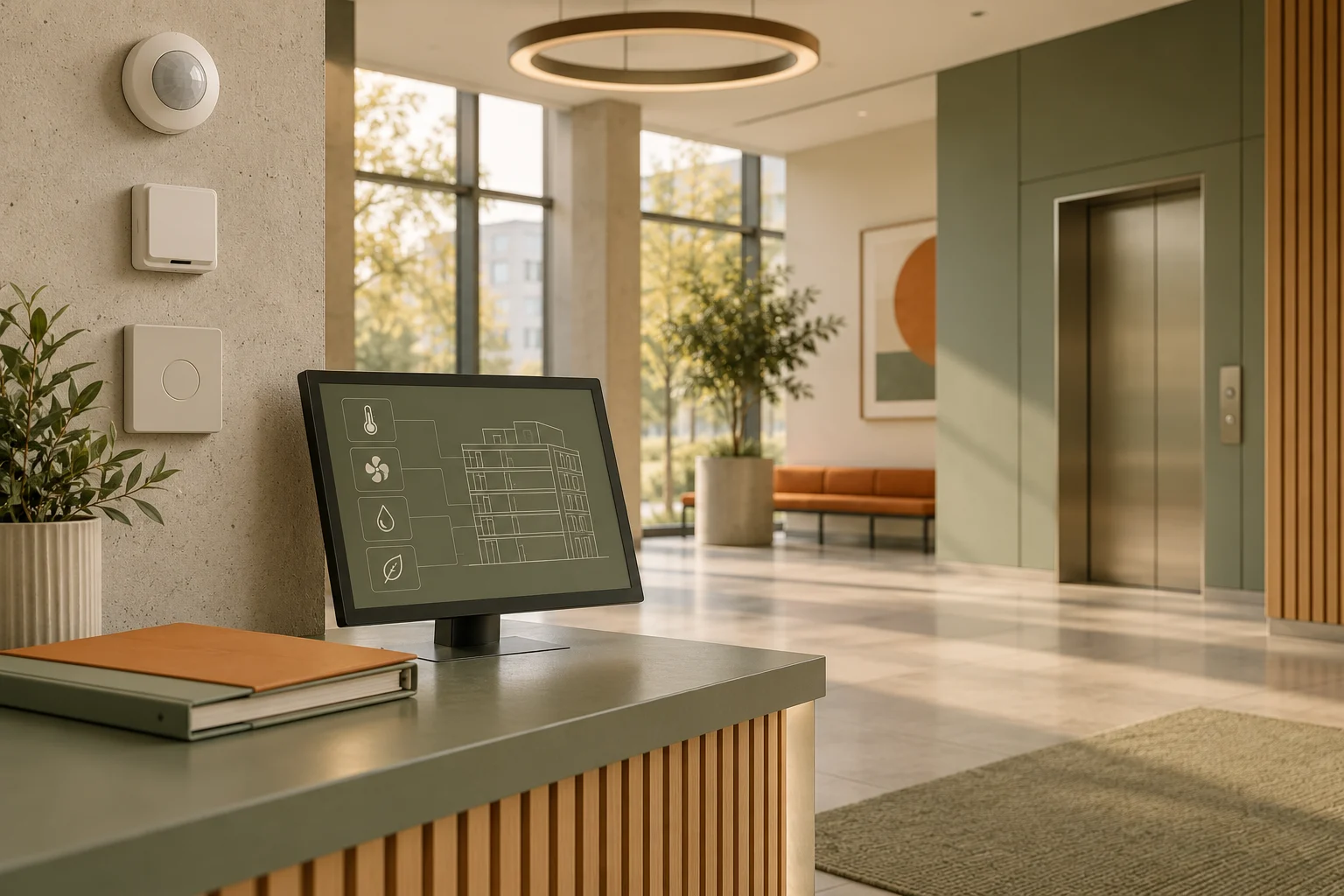
Conflicting schedules, persistent alarms or equipment that does not respond as expected can require a BMS review. A screen showing a command is not proof of the physical result. Identify the affected plant and operating mode before assuming the controller or field device is at fault.

Fragmented work orders, duplicate asset lists or poor visibility of actions can prompt a software review. Establish the process before choosing screens. Computer-aided facilities management and integrated workplace management tools have overlapping uses, but product labels do not establish the functions a business needs.

Missing reports, duplicate versions or records scattered between contractors can make it difficult to understand the current position. A digital logbook should help users find the relevant evidence and outstanding actions. Uploading documents without ownership or review rules simply moves the filing problem.

If you are planning changes to a property, a digital twin can help bring its model and real-world information together. Start with the question you need to answer, such as how a layout or system change could affect the building, then decide what information the model needs.
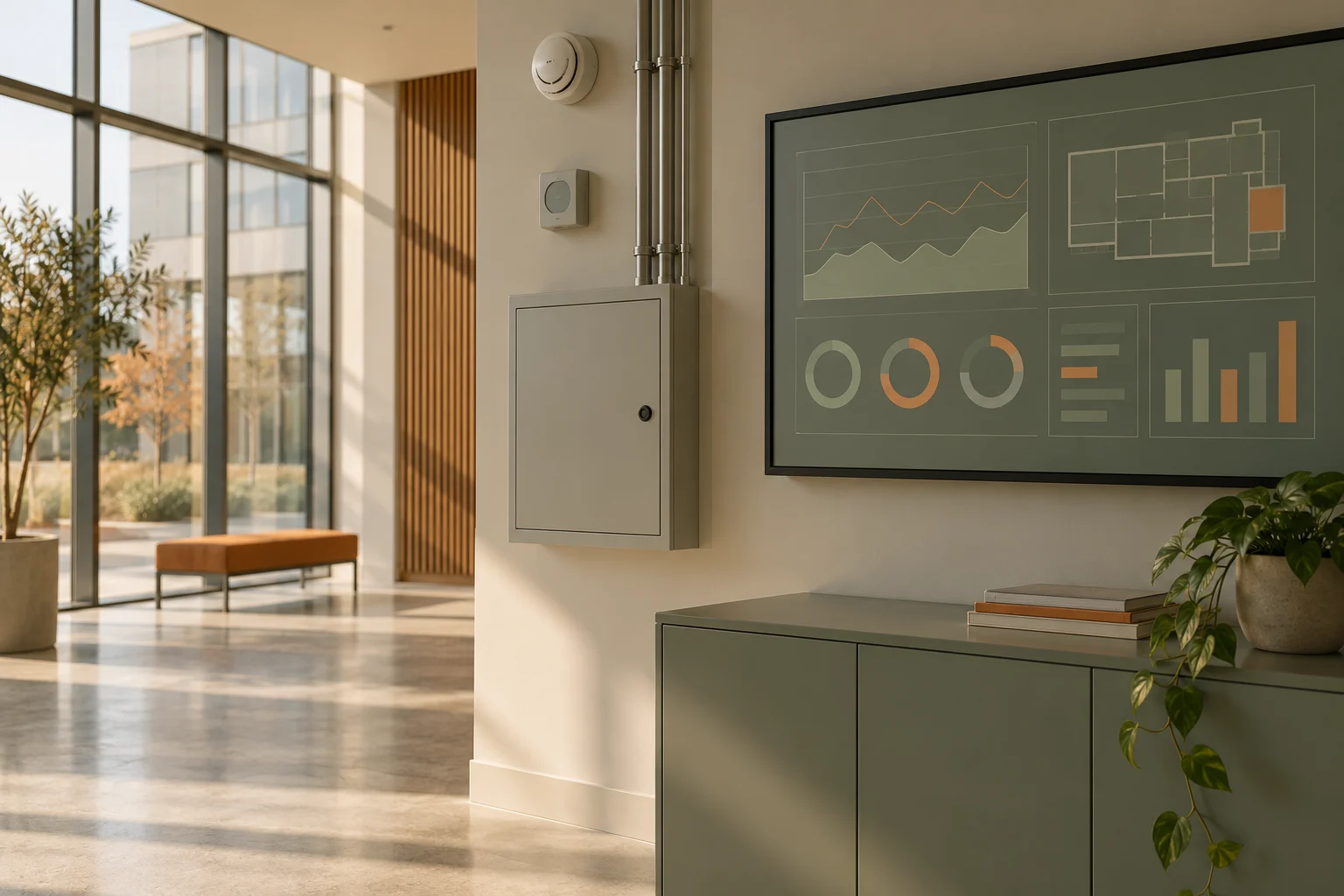
Conflicting spreadsheets, unexplained status colours or slow reporting can hide the real position. Establish who uses the report and what they need to decide. A dashboard should make the source, reporting period and outstanding issues visible rather than turn incomplete data into confident-looking totals.

Difficult-to-observe conditions, intermittent faults or repeated manual readings can prompt a monitoring review. Identify the condition and the decision it should support. A remote reading does not remove the need for physical maintenance or establish that someone will attend after an alert.

Uncertain meeting demand, underused areas or changing attendance can make space decisions difficult. Establish whether the question concerns counts, presence or patterns over time. Those are different from identifying individuals or assessing their work.

Repeated failures, costly interruptions or useful operating history can justify a predictive-analysis review. Start with the failure mode and the decision that earlier warning would change. A prediction is useful only when the organisation can interpret it and act within the available time.
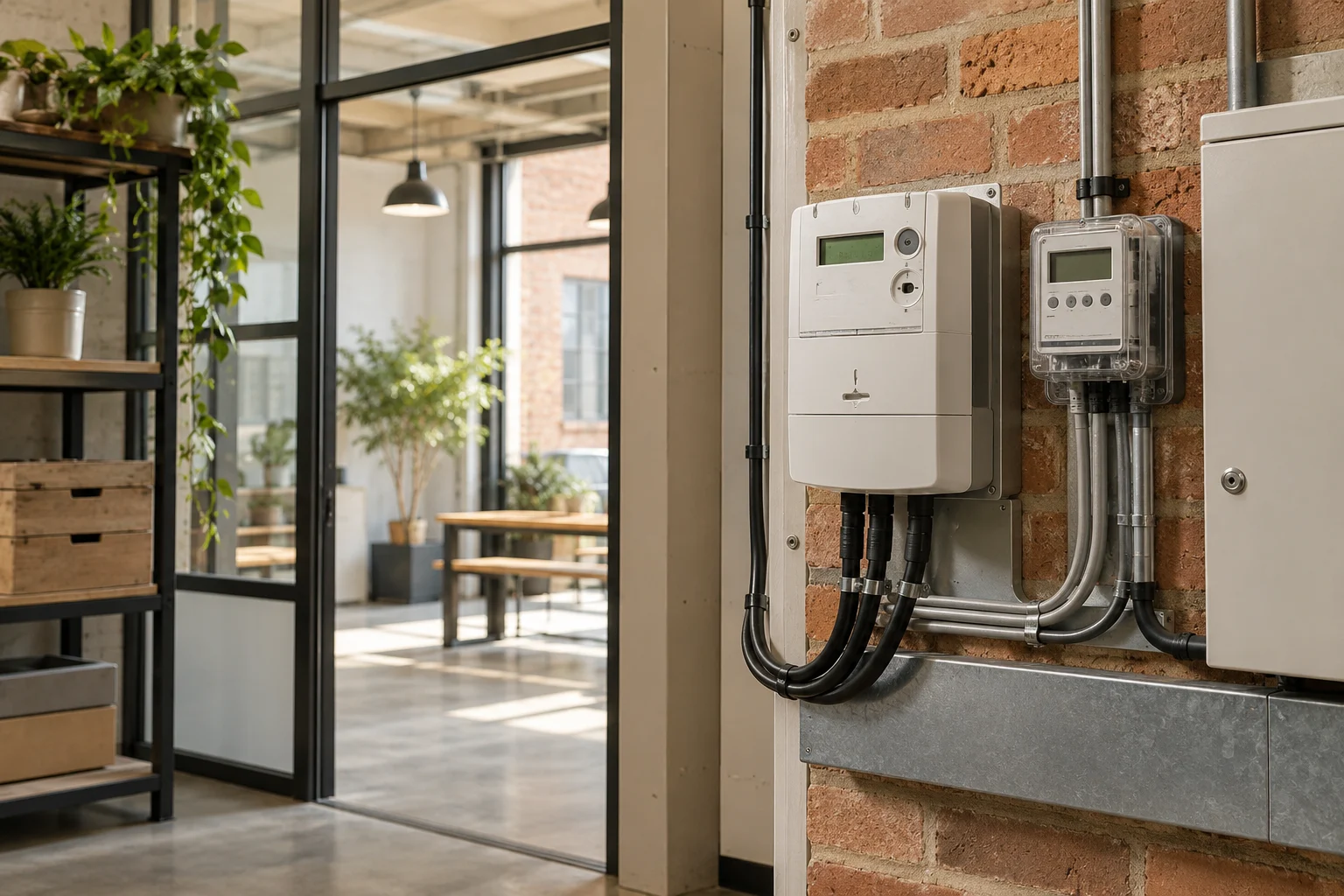
Estimated bills, unexplained usage or limited visibility can justify a metering review. Establish whether the need concerns supplier billing, internal monitoring or allocation between areas. A smart meter and a sub-meter can serve different roles, even when both produce digital readings.

Duplicate entry, disconnected platforms or a supplier change can create a need for integration or migration. Establish which system owns each record and what must be preserved. Moving data without resolving identifiers and responsibilities can copy the original confusion into the new platform.