
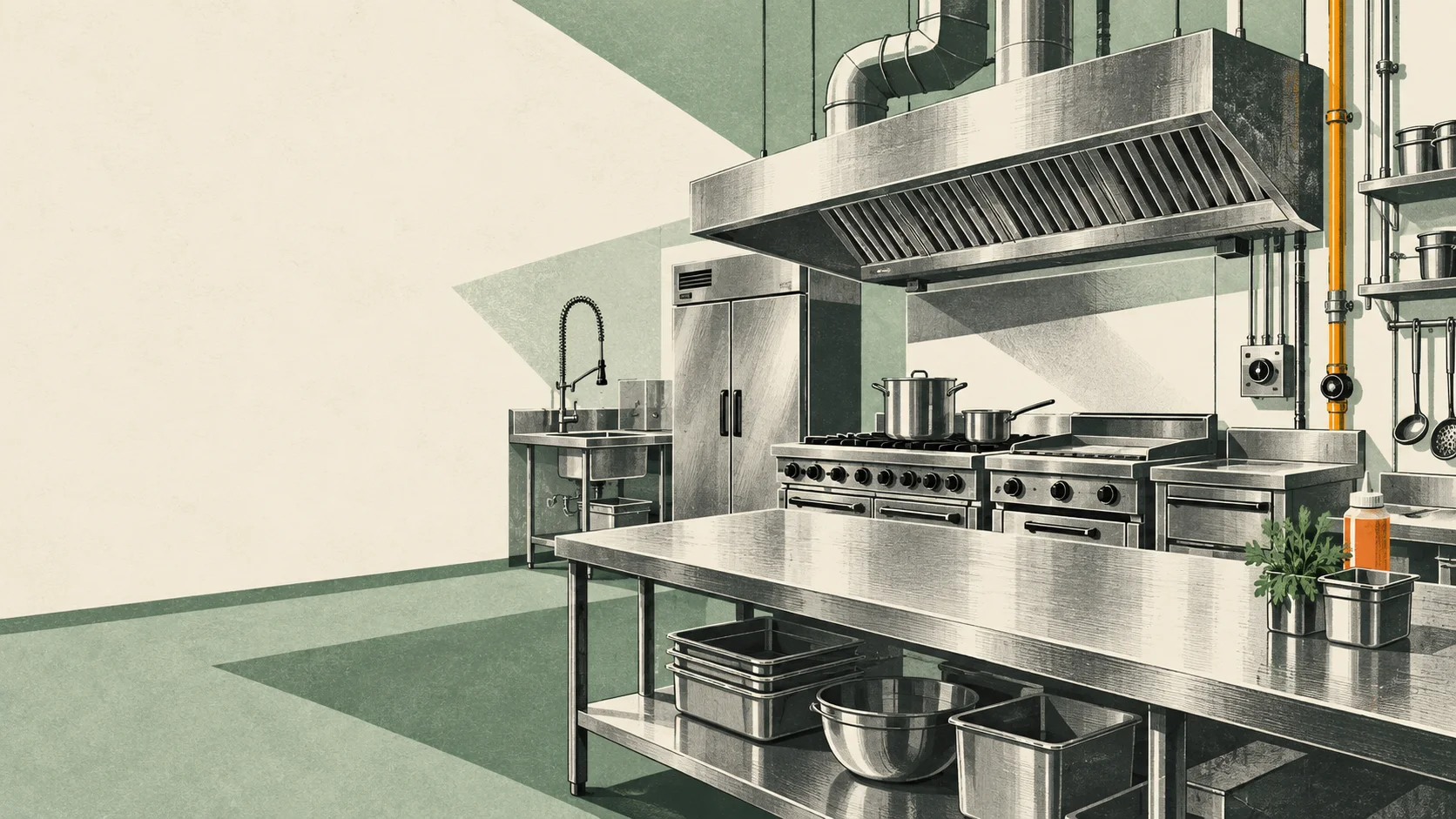
Commercial Kitchen and Catering Equipment — Equipment investigations, servicing and replacement work tied to the installed appliances.
Black & White Property Services / Sectors
Hospitality premises depend on connected systems: cooking equipment, ventilation, refrigeration, water, drainage and electrical supplies. A fault in one can affect the use of another. The brief should explain the equipment, symptoms and operating context, including food-handling areas and the time available before the next service period. HSE catering guidance explains the importance of equipment maintenance and ventilation.
Tell us what needs attention ↗
Confirm when the kitchen or customer area can be made available. Arrange removal or protection of food and equipment through the operator, and agree how the work area will be left before trading resumes.
Commercial Kitchen and Catering Equipment — Equipment investigations, servicing and replacement work tied to the installed appliances.

HVAC and Refrigeration — Kitchen extraction, cooling and ventilation considered as connected systems.

Plumbing and Water — Hot water, outlets and washroom systems matched to demand and hygiene arrangements.

Drainage and Wastewater — Kitchen drainage, grease-control equipment and recurring blockage investigations.
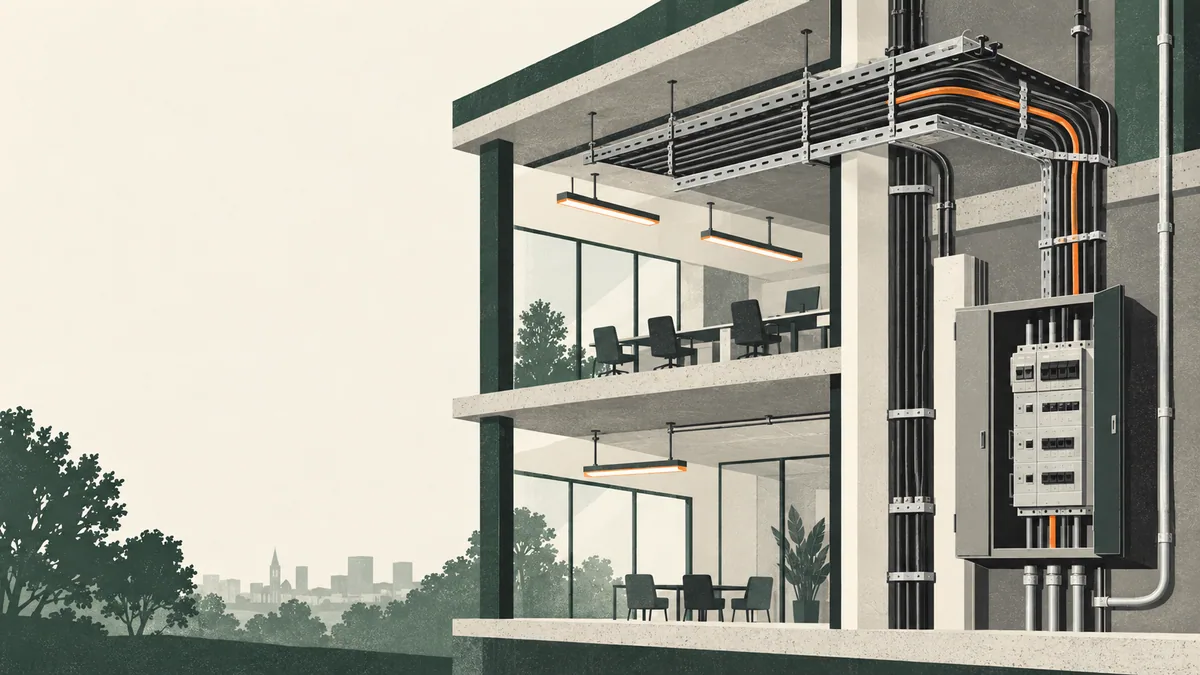
Electrical Services — Power, lighting and testing with equipment loads and working areas identified.

Cleaning and Hygiene — Defined cleaning tasks for the surfaces, systems and operating environment.
These are practical starting points within the full service range. The scope follows the building and the work required, including other trades and specialist systems where they form part of the instruction.
We provide every service in our catalogue, including the individual services within each trade, for all sectors and locations listed on this website. Tell us what your property needs so we can agree the work, access and timing.
Use planned maintenance for equipment-specific tasks and reactive work for faults. Cleaning and technical servicing have different purposes. Keep both visible in the operating plan, with the equipment, task and completion evidence identified.
Refurbishment and Fit-Out connects layouts and finishes with service requirements. Mechanical and Electrical Projects coordinate equipment upgrades. A kitchen change should account for power, gas where relevant, extraction, water and drainage before the appliance is ordered. Explore all project types for the wider offering.
Distinguish equipment performance from the food process managed by the operator. A service report should explain the equipment condition and test results; the business remains responsible for its food-safety decisions. Replacement capacity and connections should follow the actual menu, demand and installation.
Describe the fault or improvement, equipment details and trading constraints. The work is scoped with access and connected services, then the findings and completion information are returned to the owner or operator.
Keep equipment details, service reports, cleaning records and remaining actions distinct but connected. After a replacement, retain settings, operating instructions and maintenance requirements. Clear records help separate repeat equipment faults from changes in use or operating practice.
We support properties across the recorded North East England coverage area, including Newcastle, Gateshead, Sunderland, Durham and wider locations in Northumberland, Tyne and Wear, County Durham and Teesside. Use the locations directory and include the address and access contact for each property.
Yes. Appliance type, output and layout can change extraction and make-up air requirements. Assess the connected installation before selecting the replacement.
No. Cleaning removes contamination or deposits within its scope; servicing addresses the equipment tasks and performance checks required for the installation.
Provide the equipment details, symptoms, alarms and operating history. The operator should manage affected stock through its food-safety arrangements while the equipment problem is assessed.
Yes. The task, access and return-to-use checks need to fit the available window, including time for testing and cleaning the work area.
Read how often kitchen extraction should be cleaned, understand grease-trap cleaning, and use the refurbishment scope guide.
Start with your property
Send the address, equipment details and problem or proposed change. Explain access and when the area is needed for service. Contact Black & White Property Services.