Start with the pattern
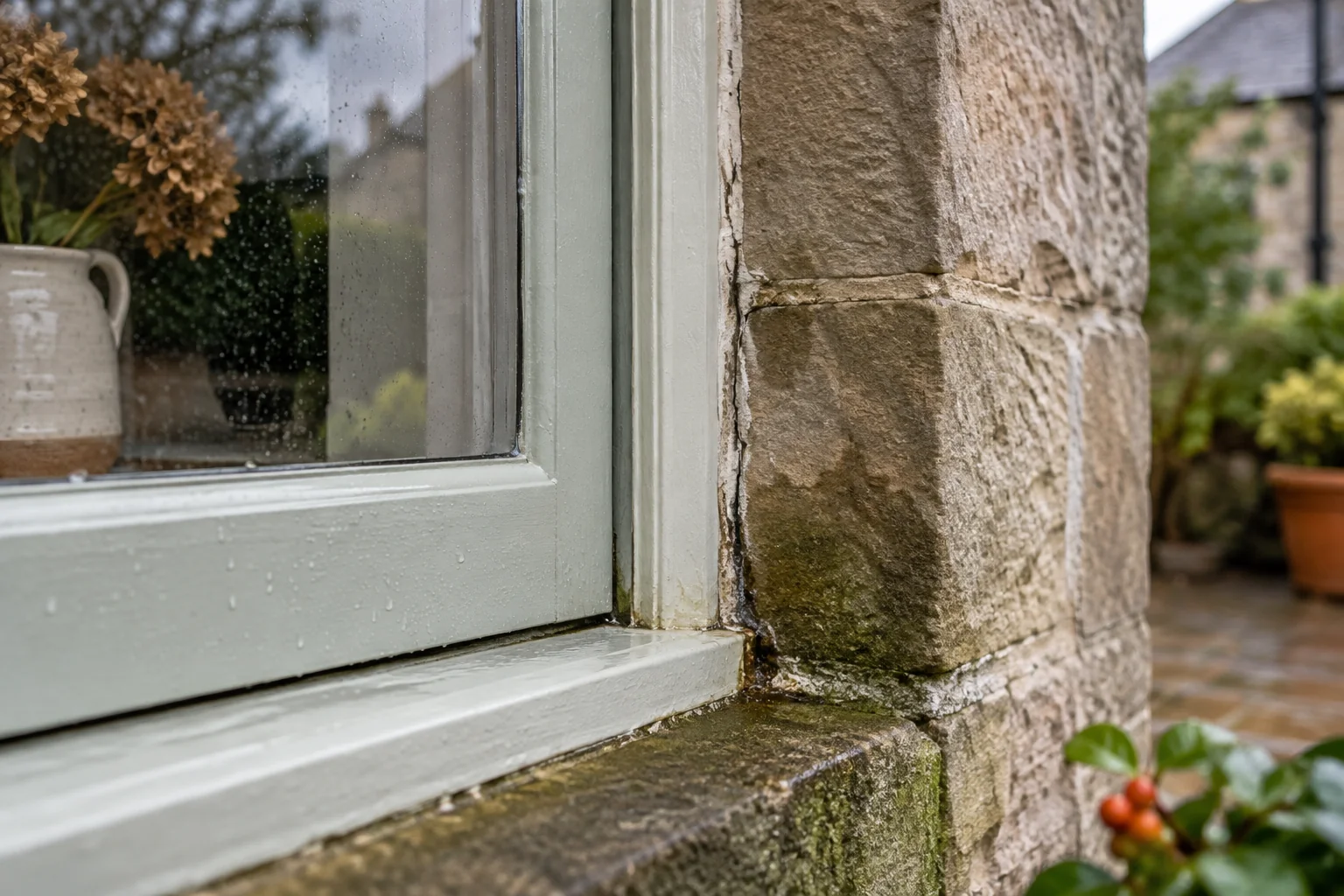
Note when the damp appears, whether it follows rain or water use, and which rooms are affected. These observations help narrow the investigation, but do not prove the cause on their own.
How a leak is investigated
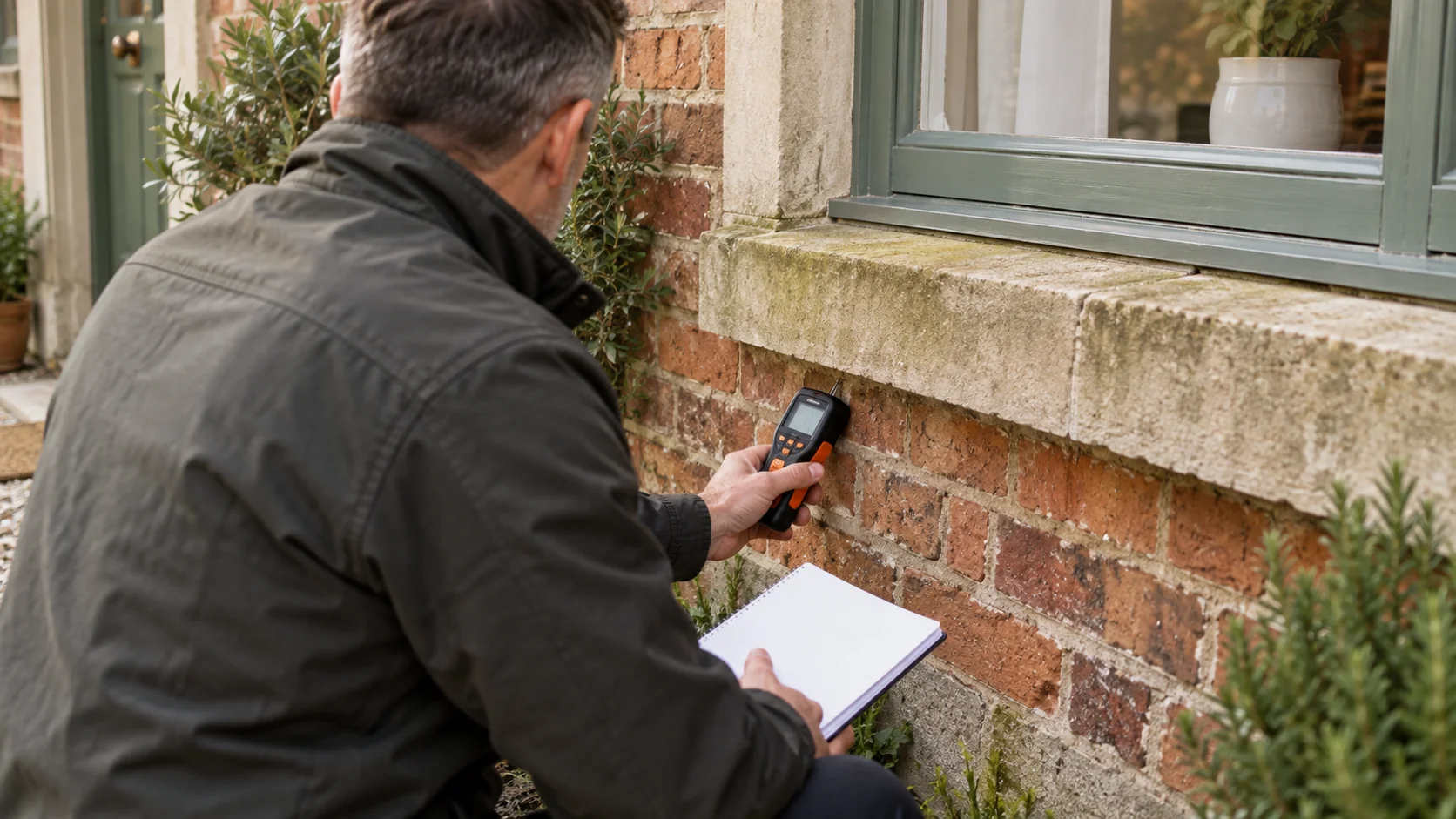
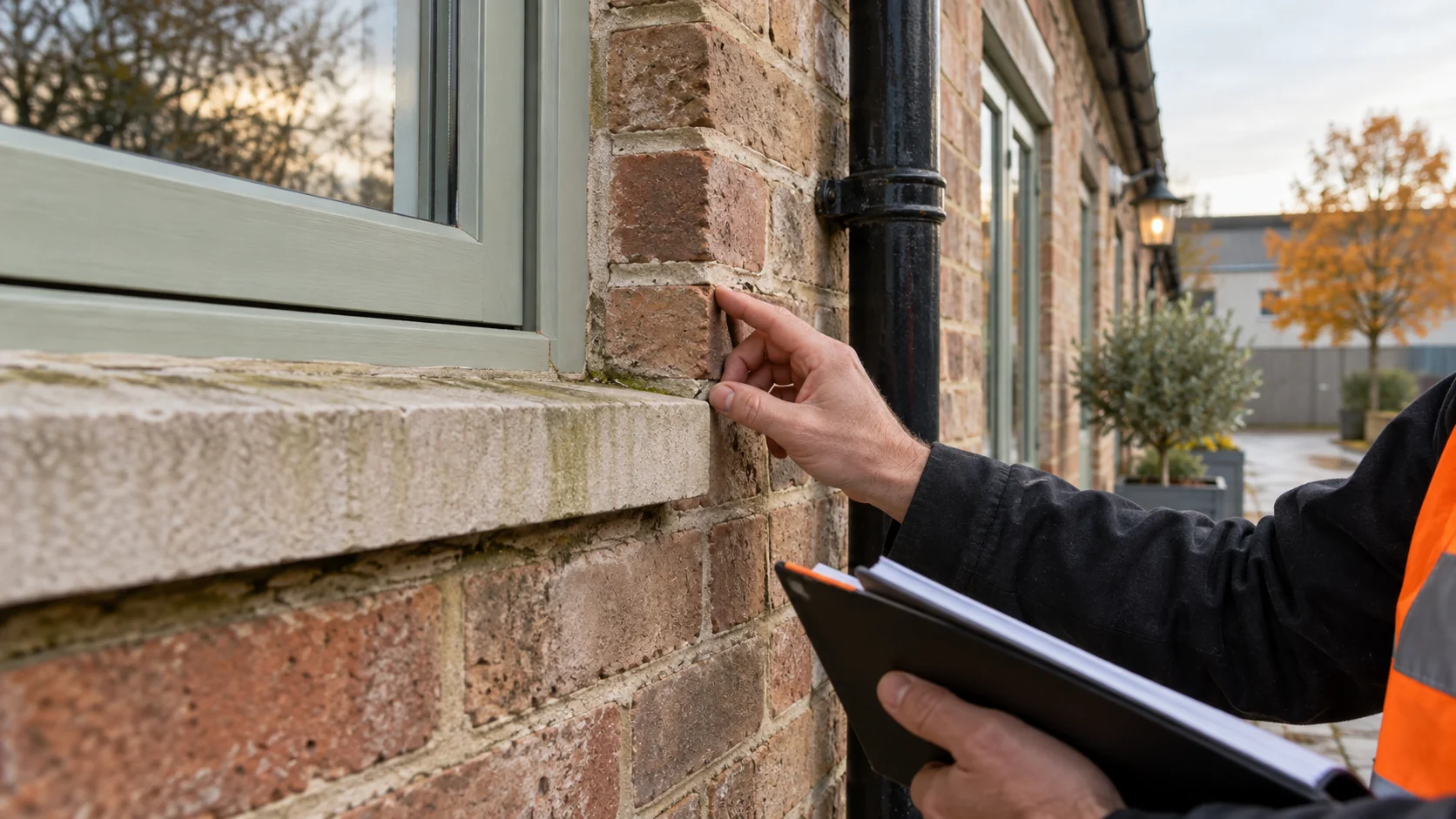
An investigation considers the damaged area alongside possible routes through the roof, walls, openings and pipework. Water can travel before it becomes visible. The findings should explain the likely source, any further checks needed and the proposed repair.
Repair the cause before the finish
After the source is addressed, assess concealed damage and the drying needed before making good. Painting over a stain alone can hide an unresolved problem.
Frequently asked questions
Could this be condensation rather than a leak?
Yes. Condensation often appears on cold surfaces, while a leak may follow rainfall or water use. Both can occur together. Ask for an assessment of moisture sources, ventilation and building defects rather than relying on the appearance of a stain.
Why is the stain away from the point of entry?
Water can track along layers, joints or services before reaching a visible surface. The investigation may need to look beyond the room with the stain.
What should I send before an investigation?
- The address and exact rooms or areas affected.
- When it started, and whether rain or water use changes it.
- Photographs taken safely and details of earlier repairs.
- Access restrictions and whether water is still entering.
Further reading
The government guide to damp and mould distinguishes moisture causes and explains why the underlying problem needs attention. Its housing-specific duties should be read in the context of rented homes. Explore building fabric services for related work.
Discuss your building
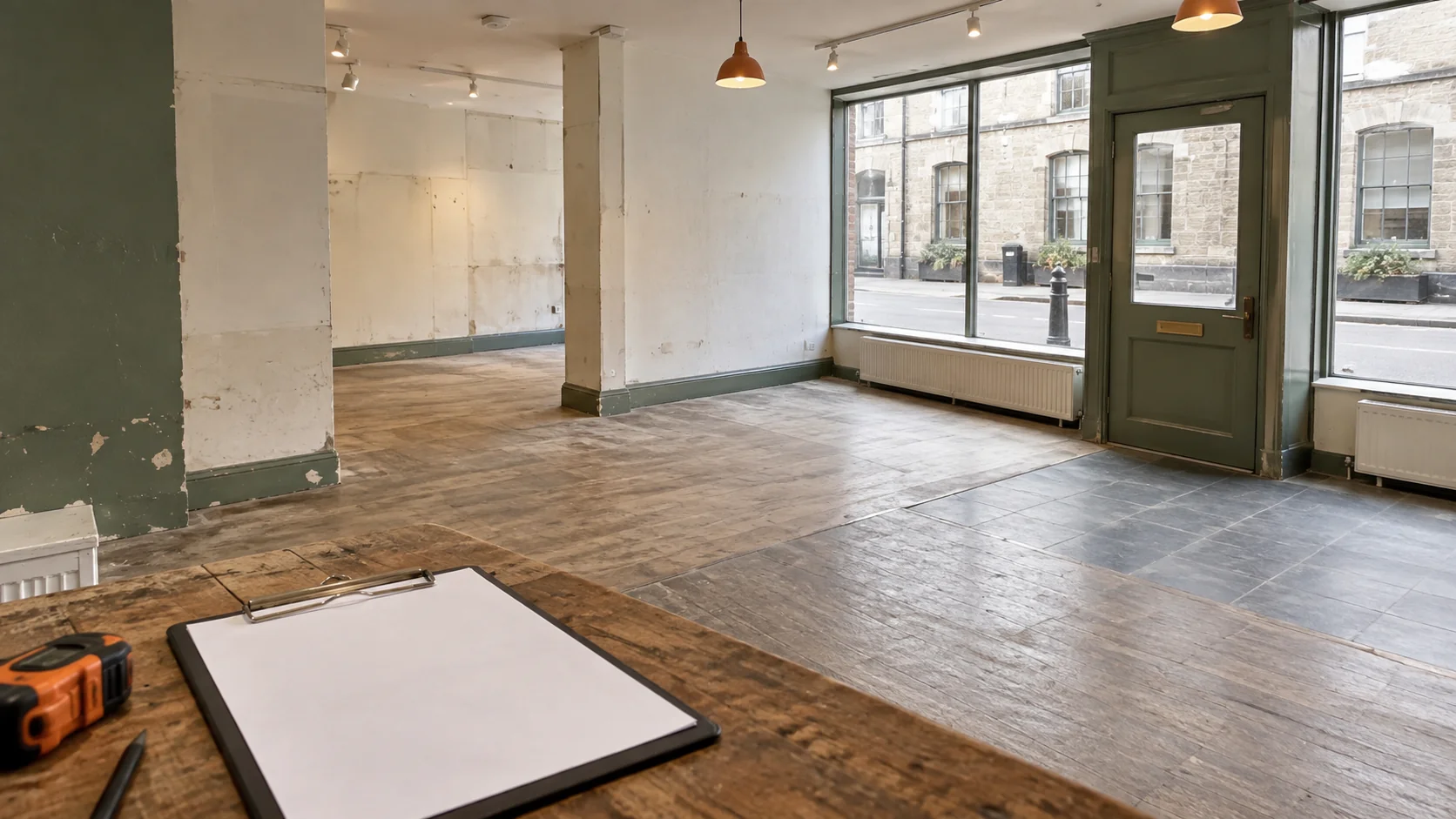
For your property, contact Black & White Property Services with the address, the problem and any photographs taken safely. Tell us who can provide access so we can discuss the next step.