
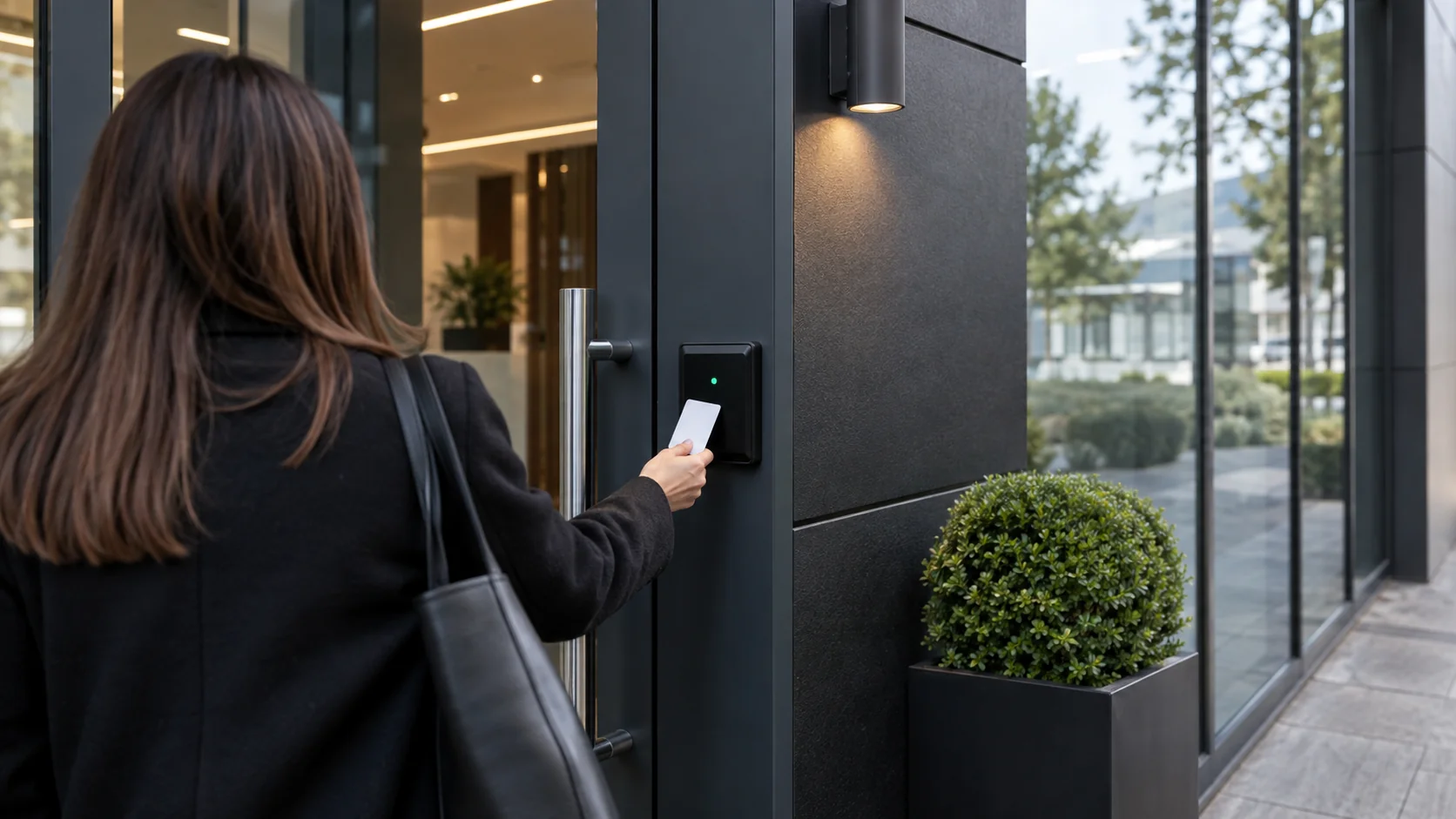
How Does Commercial Access Control Work?
Understand the parts of commercial access control and specify permissions, safe exit and ongoing management for your property.
Read the guideKnowledge Centre / The reading room
The property journalSecurity and access systems help control who can enter a property and how the building is secured. Explore the guides below to understand faults, plan improvements and keep useful system records.
Find your next readUnderstand the parts of commercial access control and specify permissions, safe exit and ongoing management for your property.
Read the guide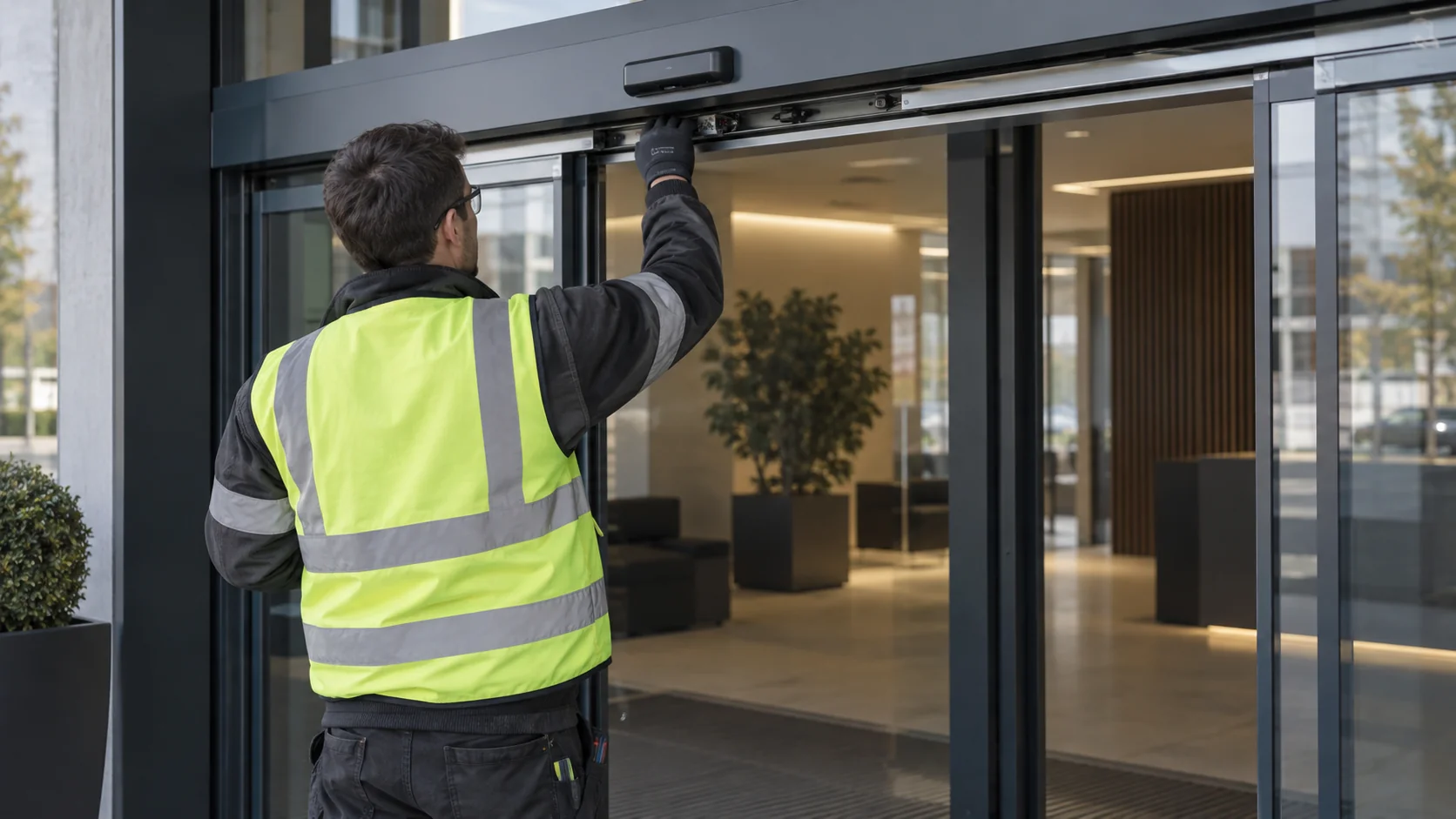
Automatic-door servicing should follow the door’s risk assessment, manufacturer information, use, environment and applicable maintenance requirements.
Read the guide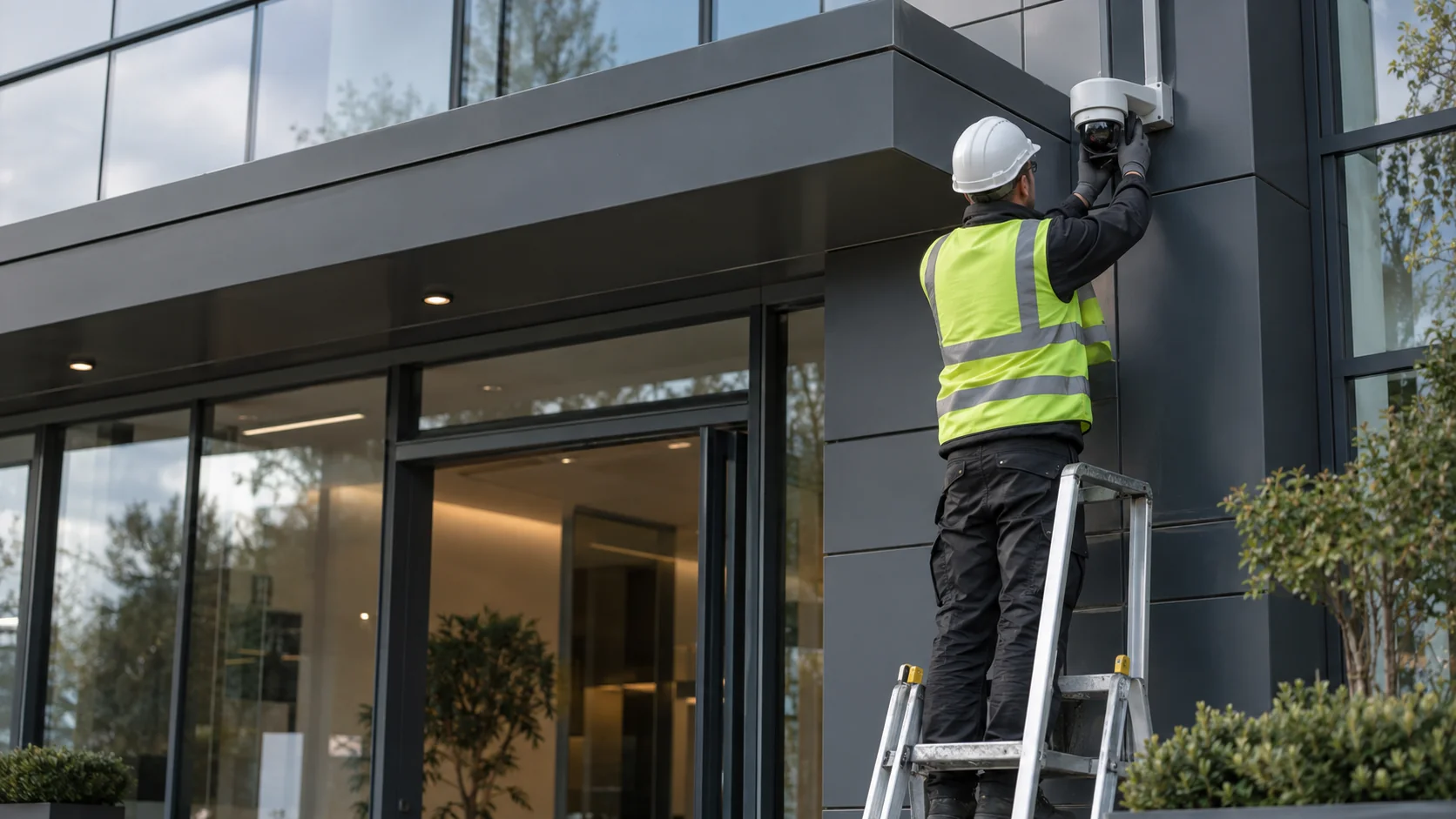
CCTV service frequency should reflect the system purpose, environment, reliability and manufacturer guidance, with routine user checks between competent visits.
Read the guideThe reading room
Practical reading for the next decision.
Search by the job, the problem or the question.
10 guides to explore · Showing 10
Understand the parts of commercial access control and specify permissions, safe exit and ongoing management for your property.
Automatic-door servicing should follow the door’s risk assessment, manufacturer information, use, environment and applicable maintenance requirements.
CCTV service frequency should reflect the system purpose, environment, reliability and manufacturer guidance, with routine user checks between competent visits.
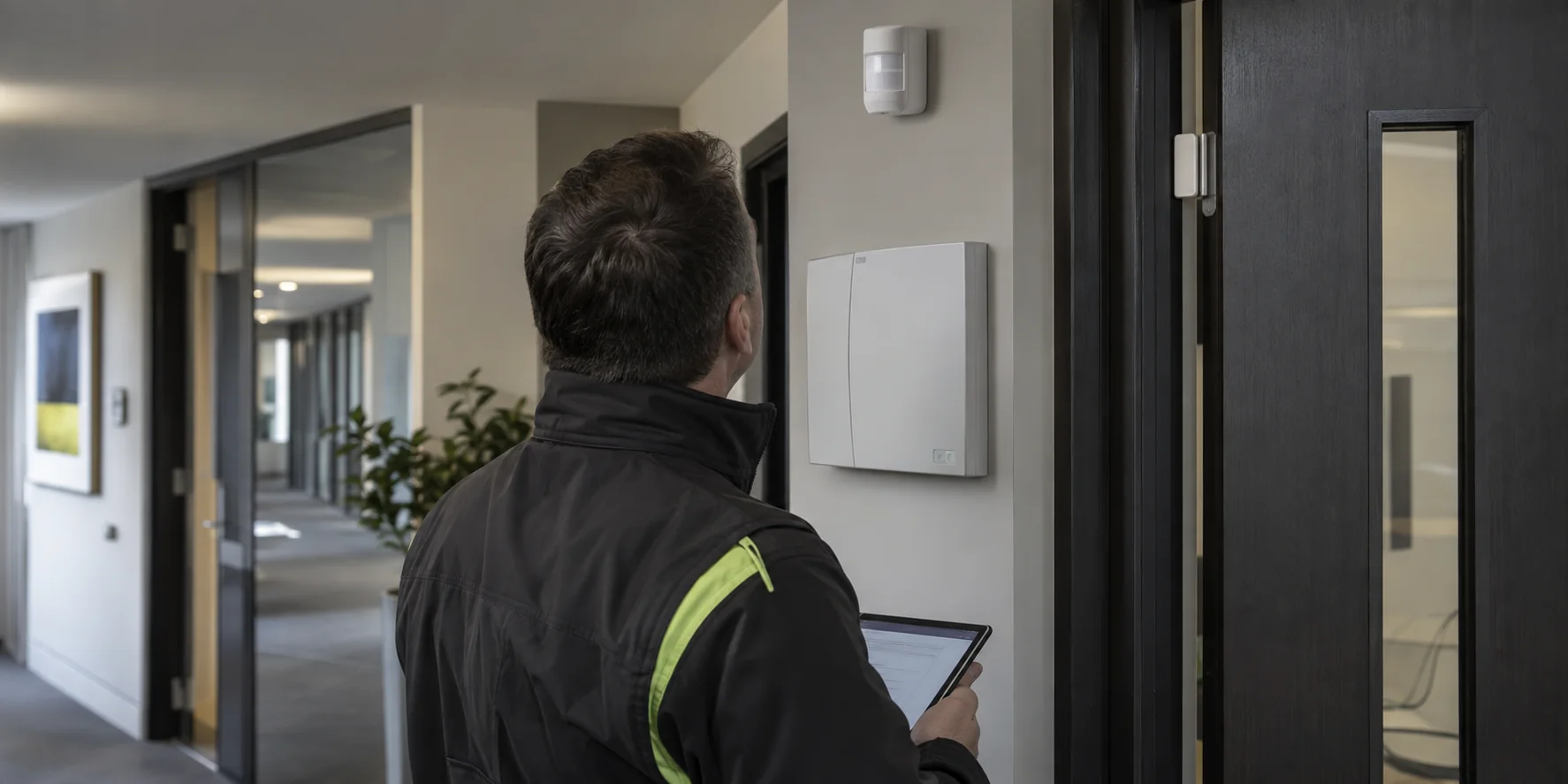
False intruder alarms can result from detectors, environment, users, pets or pests, doors and windows, power, communication faults or unsuitable configuration.
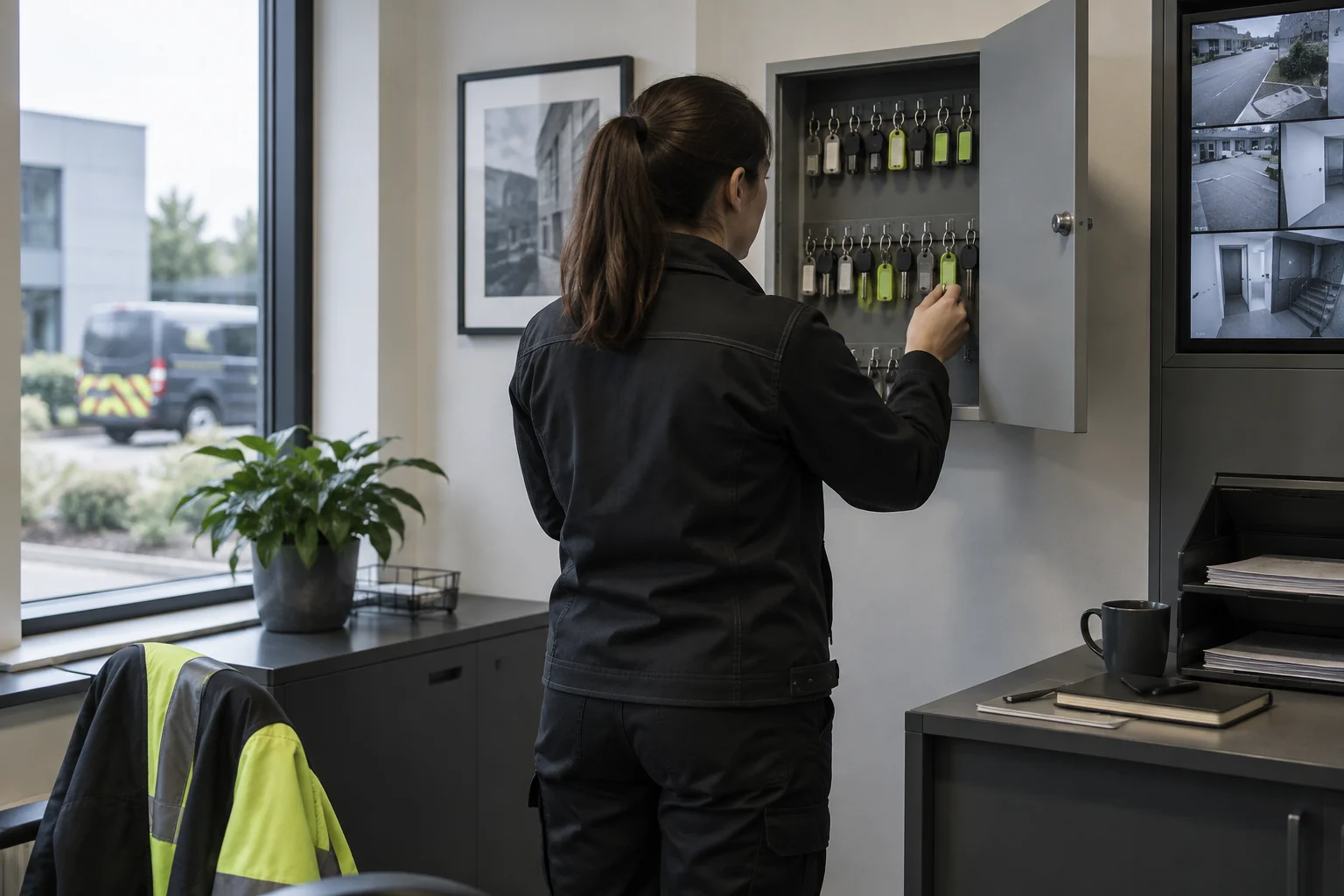
Keyholding arrangements define who securely retains keys or credentials and what authorised action they take when access or an alarm response is required.
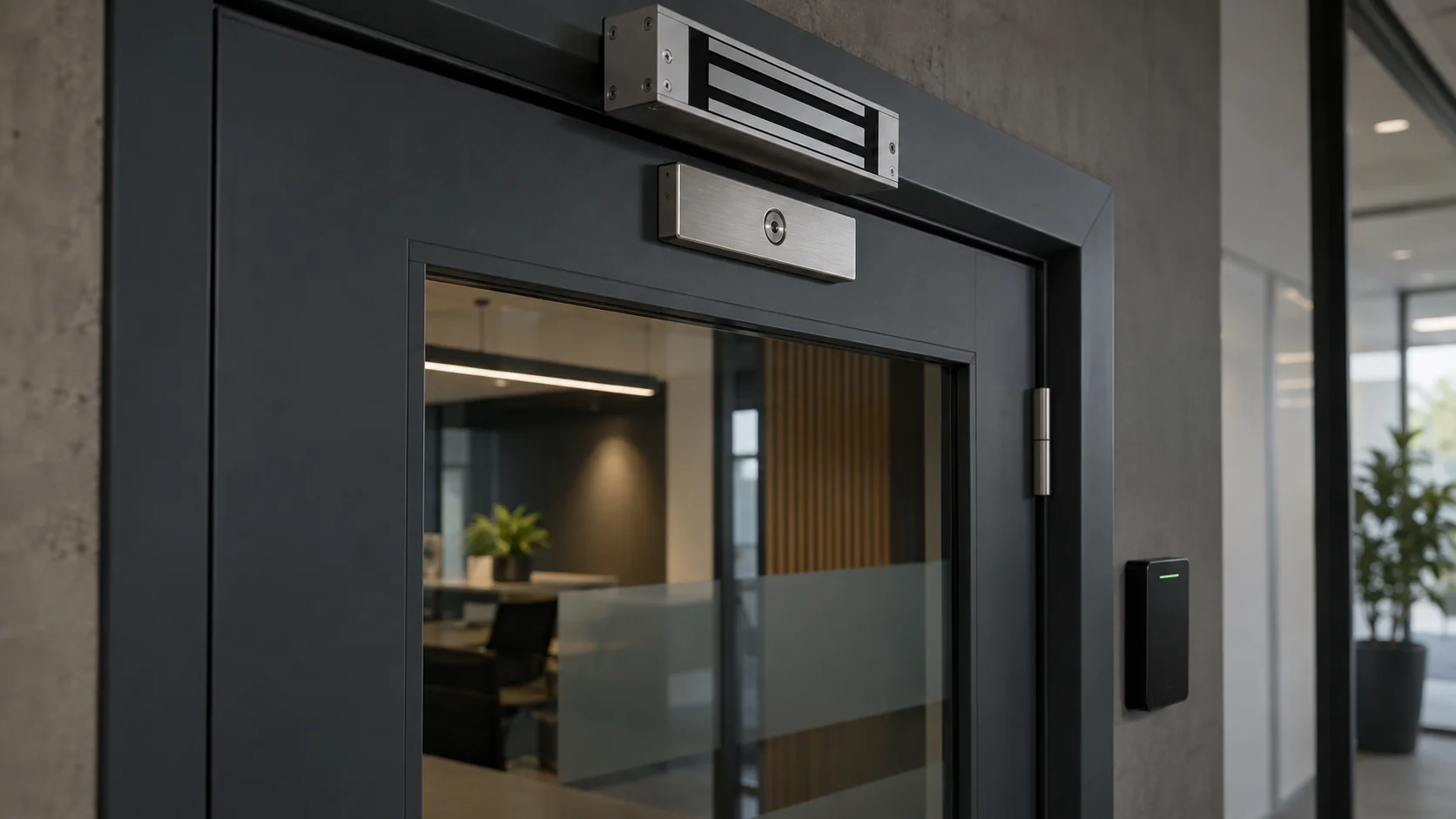
A maglock is an electromagnetic locking device that holds a door while powered and releases when power is removed.
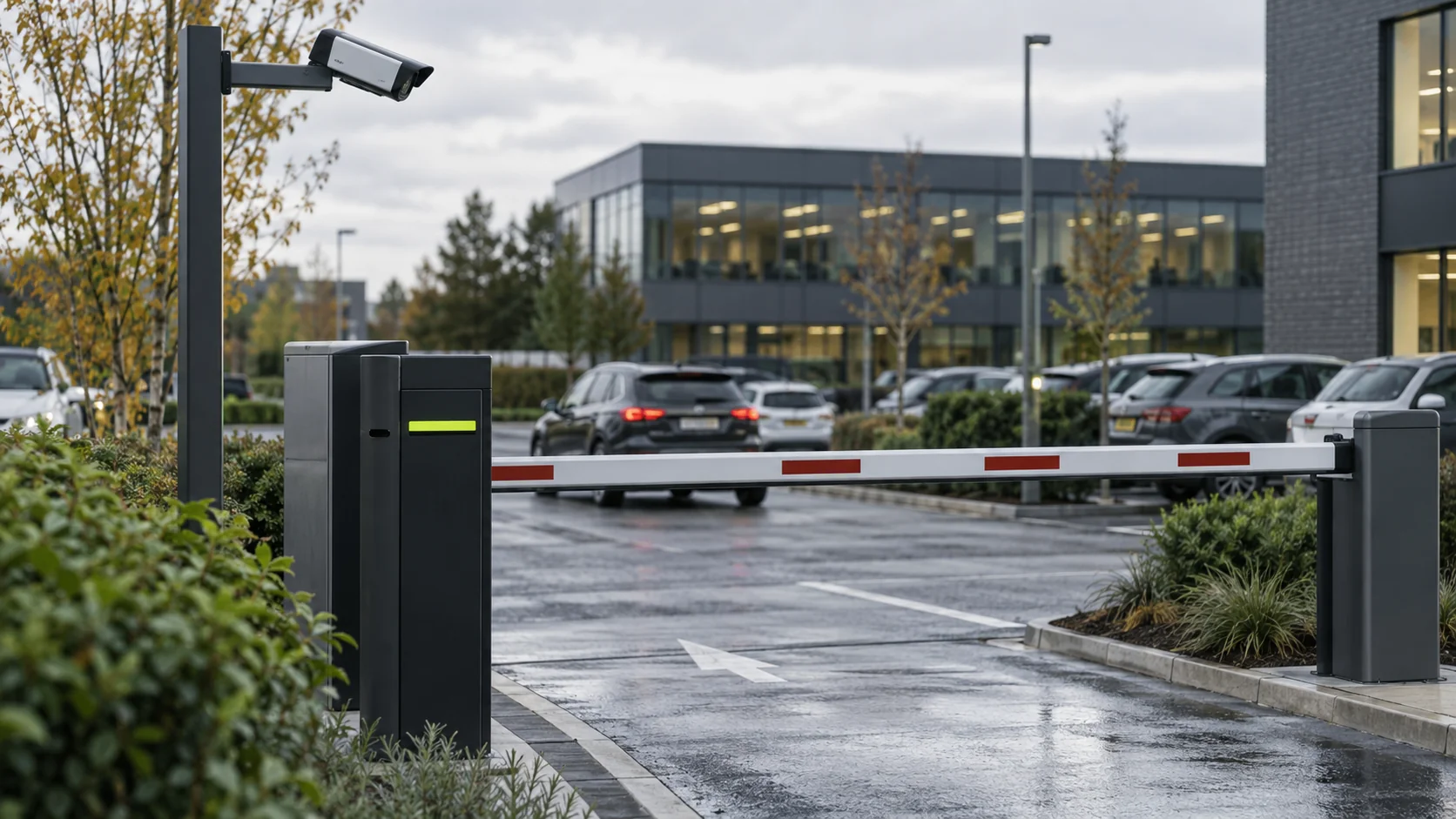
ANPR access control reads vehicle registration marks and uses configured rules to support entry, monitoring or parking workflows.
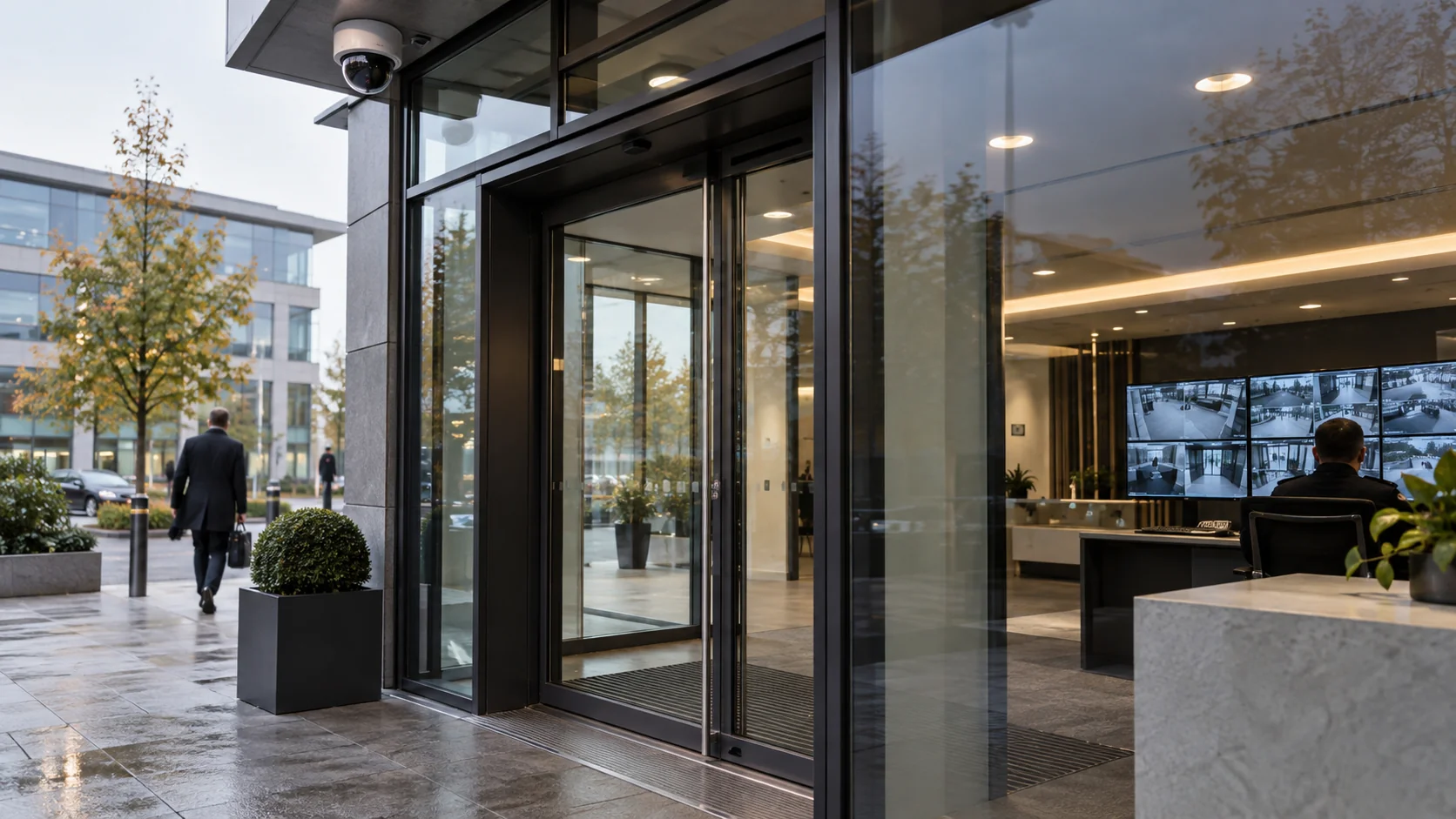
CCTV records or displays video; remote monitoring adds an off-site service or workflow that reviews events and follows an agreed response process.
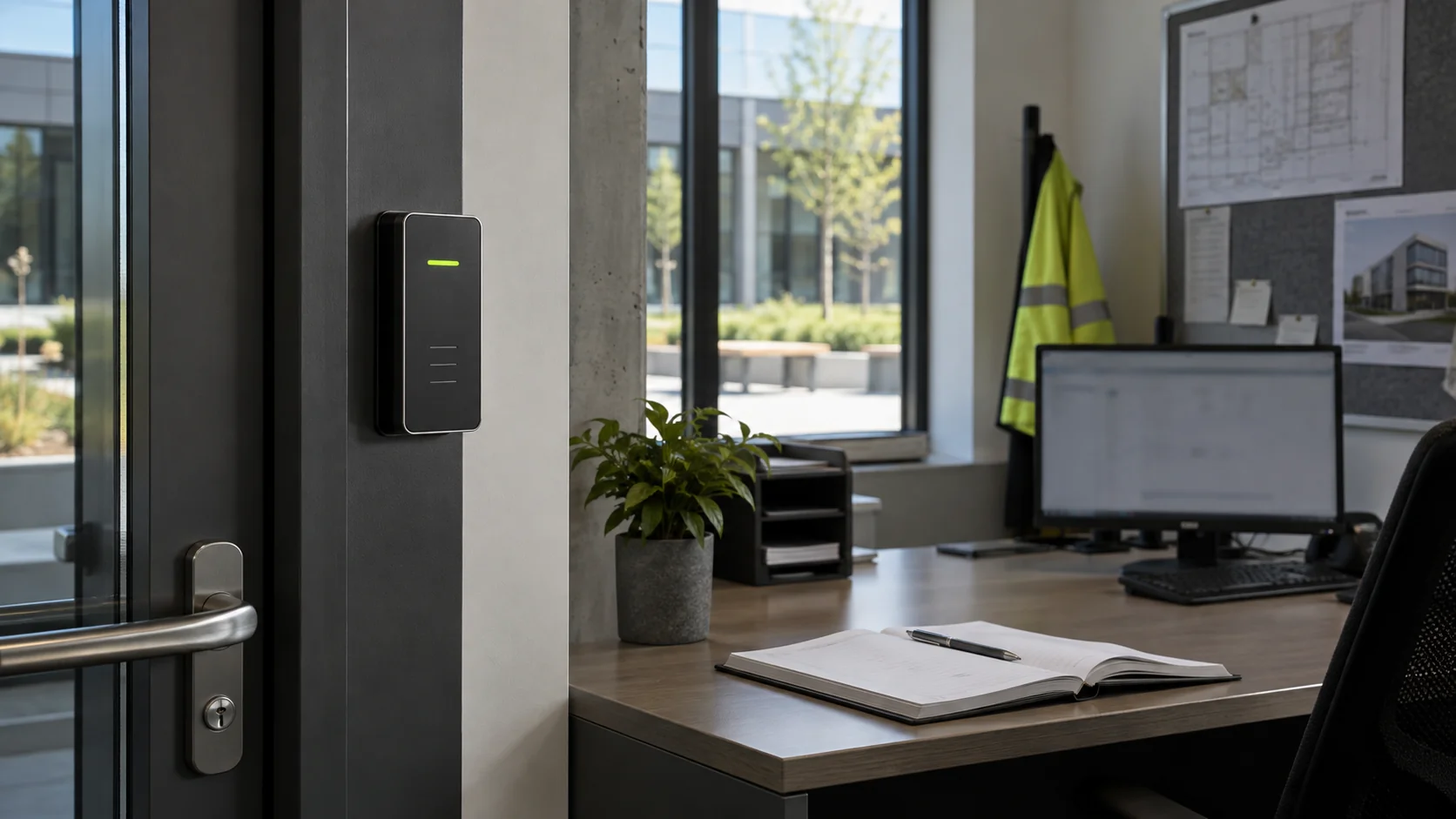
Keep useful access-control records: authorised users, credential changes, system settings, faults, maintenance and proportionate event logs.
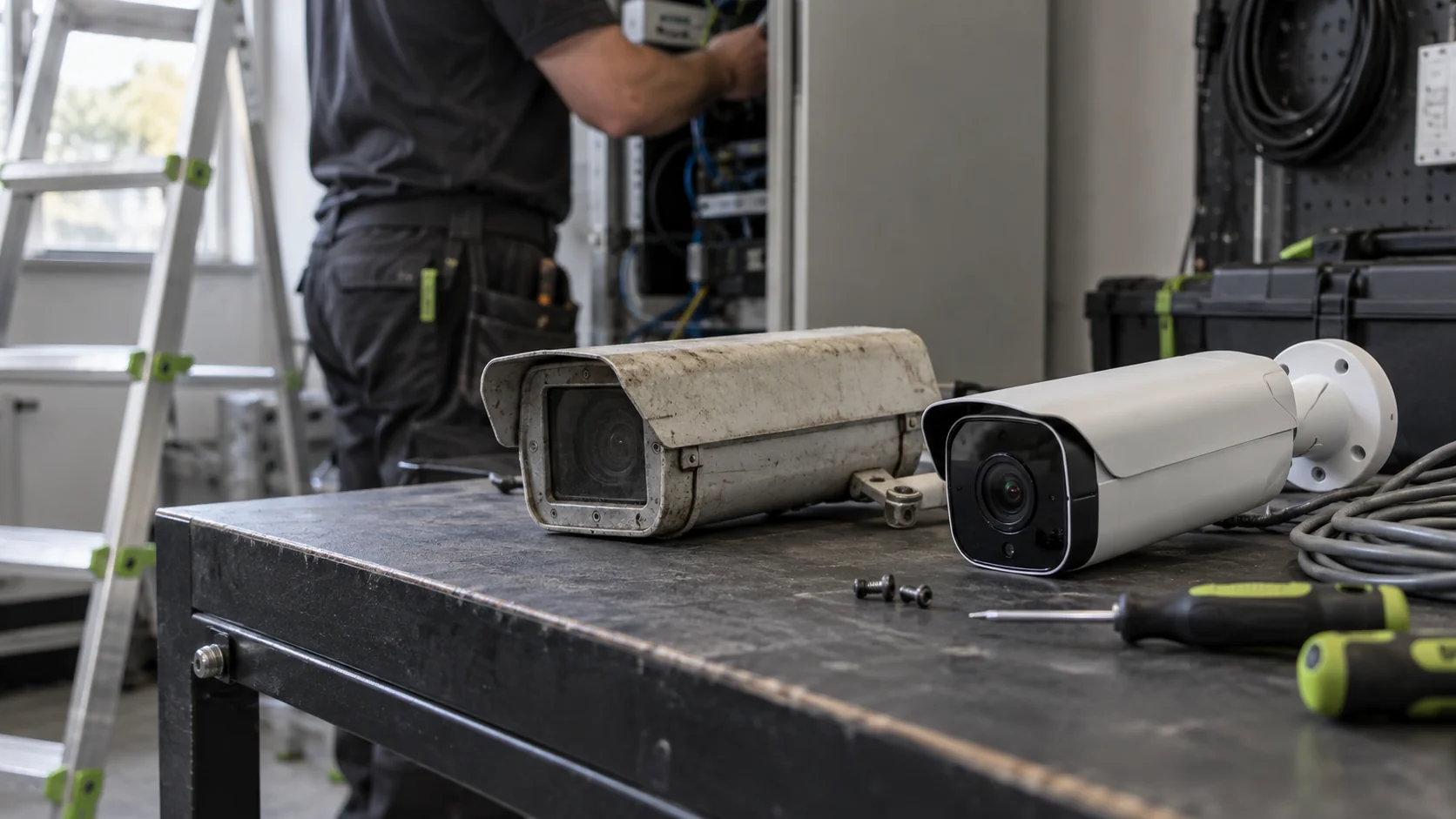
Start with the required evidence and operational purpose.
Identify which doors, shared areas and systems you are responsible for. Consider normal opening hours, authorised users, visitor access and the effect of a fault on the people using the property.
Record changes to authorised users, lost credentials, repairs and system settings. Share sensitive access information only through an appropriate secure route.
Describe the affected entrance or system, the symptoms and any recent change. For a door that is also part of a fire escape route, obtain competent advice before altering its hardware or operation.
Browse security, access and telecommunications services or send a property enquiry.