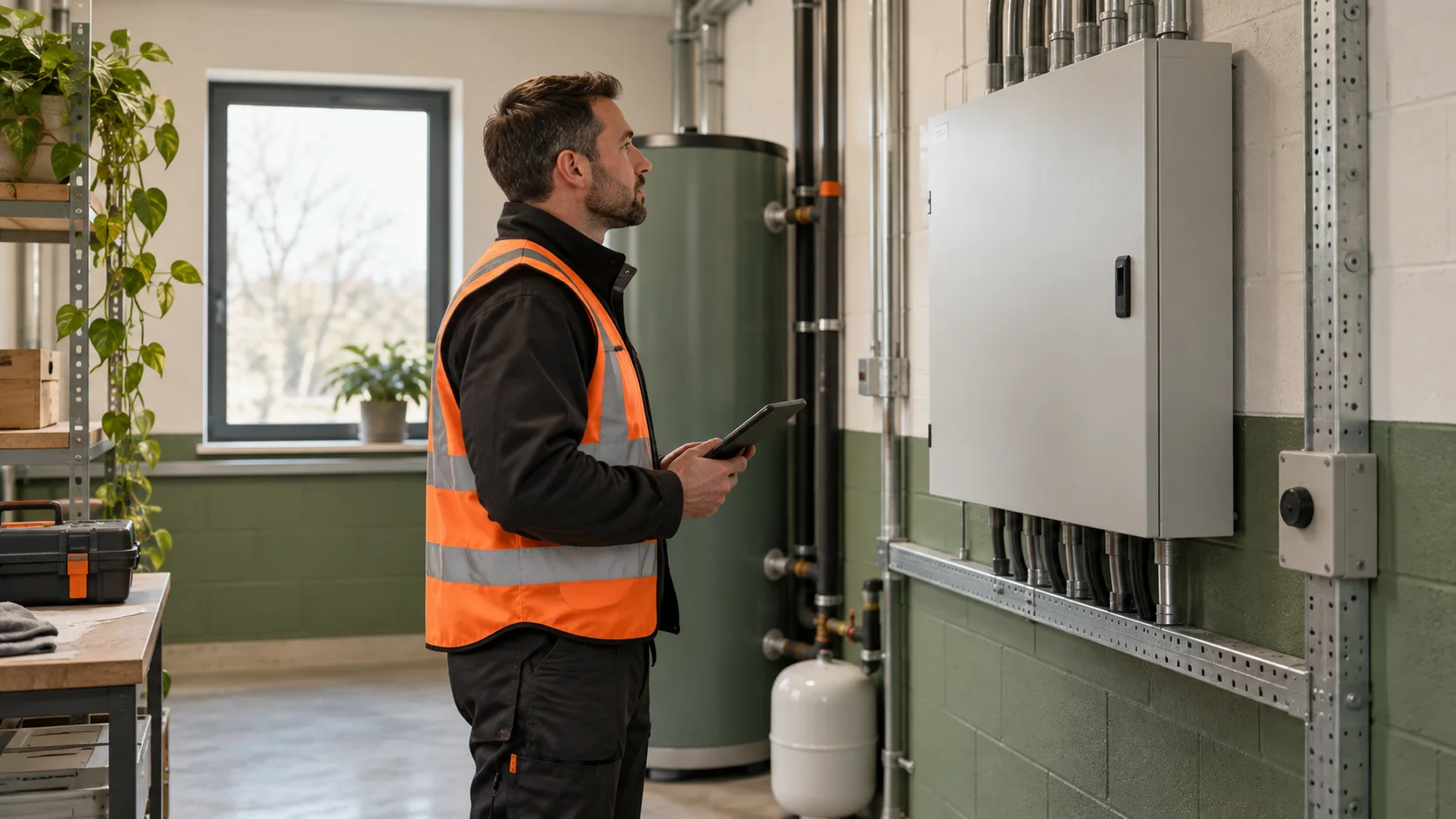
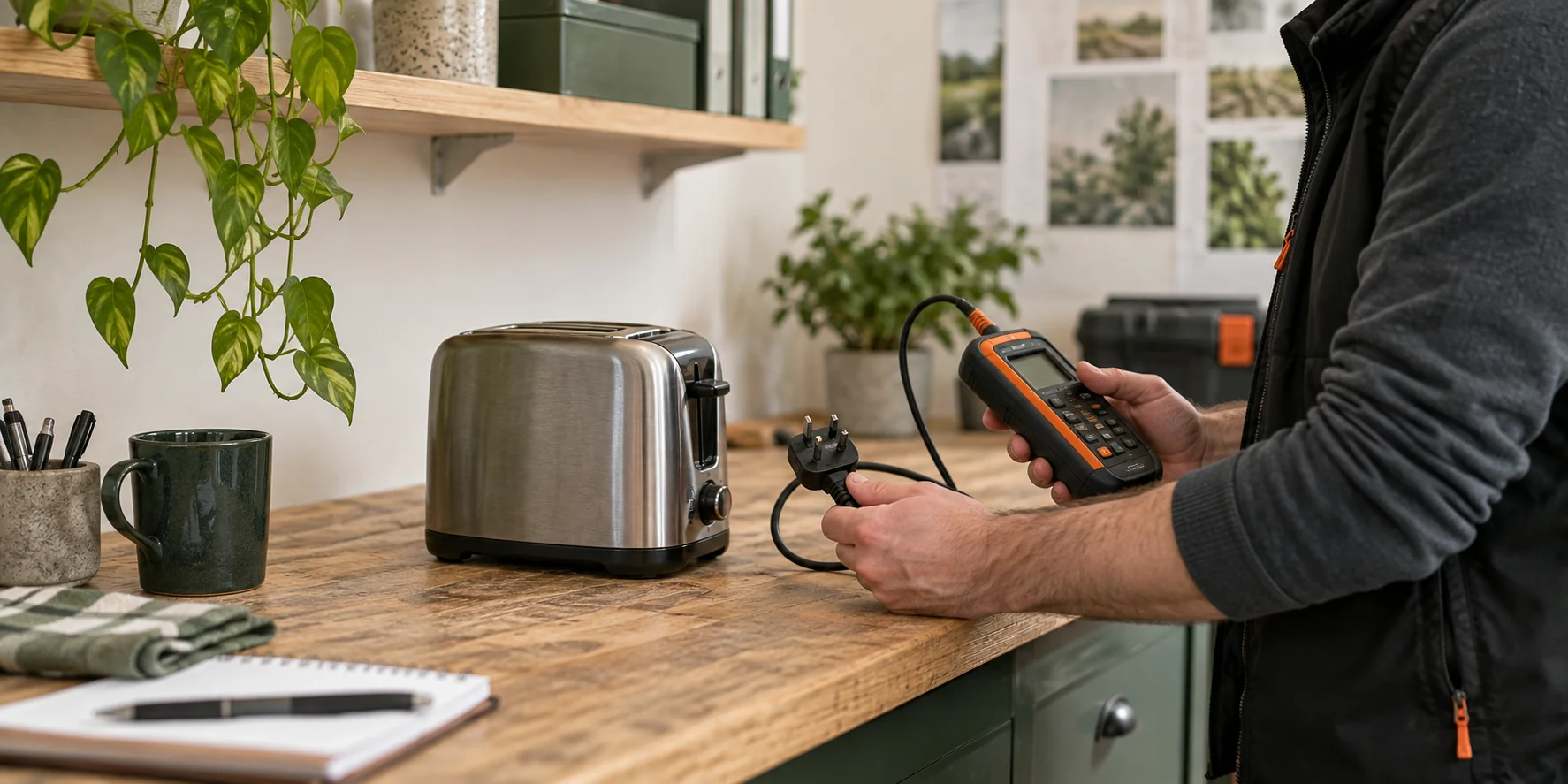
Consider how each item is handled. A cleaner's machine moved around daily needs a different assessment from equipment sitting at a desk with its cable protected. Include previous damage and faults when deciding where attention is needed.
Use that information to agree user checks, visual inspections and electrical testing where appropriate. HSE identifies looking at equipment as essential: a test by itself will not find every type of safety problem.
Make responsibilities clear
Choose someone to keep the equipment list current and book the work. Tell users how to report damage and where withdrawn items go. Be clear who authorises repair, replacement or putting an item back into service.
In shared premises, agree how landlord, tenant, employer and contractor items are dealt with. Something brought by another organisation should not be missed by both parties. Items sent away for repairs also need recording when they return.
These day-to-day arrangements matter between booked visits. They help prevent failed equipment being put back into use because someone needs it before a repair has been resolved.
Keep records that support decisions
Keep results against an identifiable item, with faults, repairs, replacements and anything unavailable at the visit. A sticker without explanation or a total number tested gives little help when you need to trace one appliance.
Use the results to improve the programme. Frequent cable damage may point to handling, storage or unsuitable equipment as well as checking needs. Locate missing items or record disposal; absence does not count as a completed check.
Compare quotes using the same item count, access, hours, record format and process for failed equipment. Ask whether repairs and retesting are included or need separate permission.
Frequently asked questions
Does every appliance need an annual electrical test?
No. HSE explicitly says annual testing is not required for every portable item. Set checks around the equipment, use and surroundings, keep the reason recorded and review it when conditions change.
Does an EICR cover portable appliances?
No appliance programme is implied by an EICR: it covers the fixed installation described in its scope. Keep both sets of records and connect them if a fault involves an appliance and its supply.
What should happen when equipment fails a check?
Keep it out of use with its status clear. Have the responsible person arrange assessment, repair or replacement, then record the outcome against the item rather than leaving the failed result unresolved.
Related guidance and services
Read about fixed wire testing, find portable appliance testing, equipment upkeep, small works and support for office buildings.
Browse property services, maintenance, projects, property sectors and locations, or ask about equipment checks.