What to check
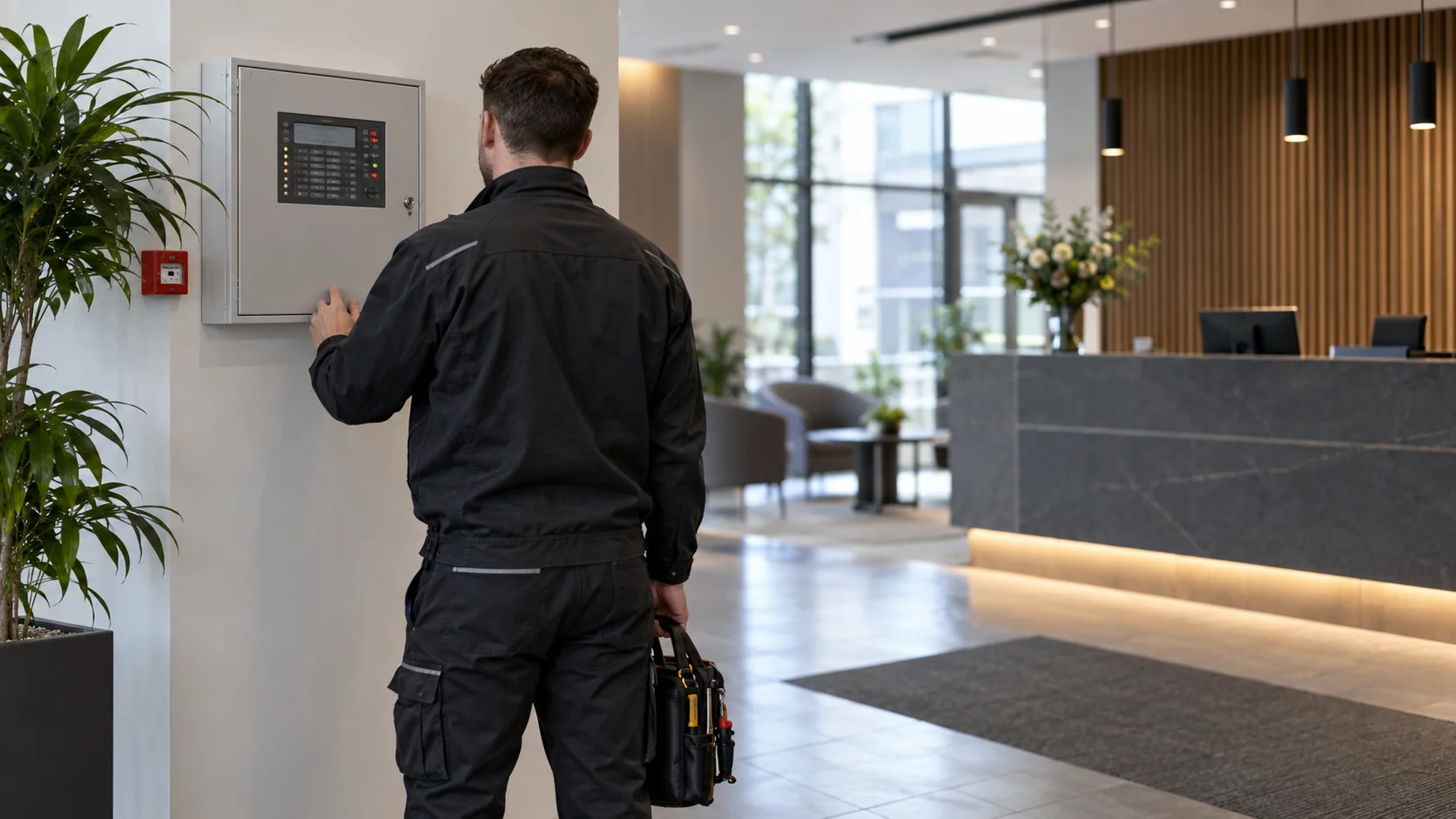
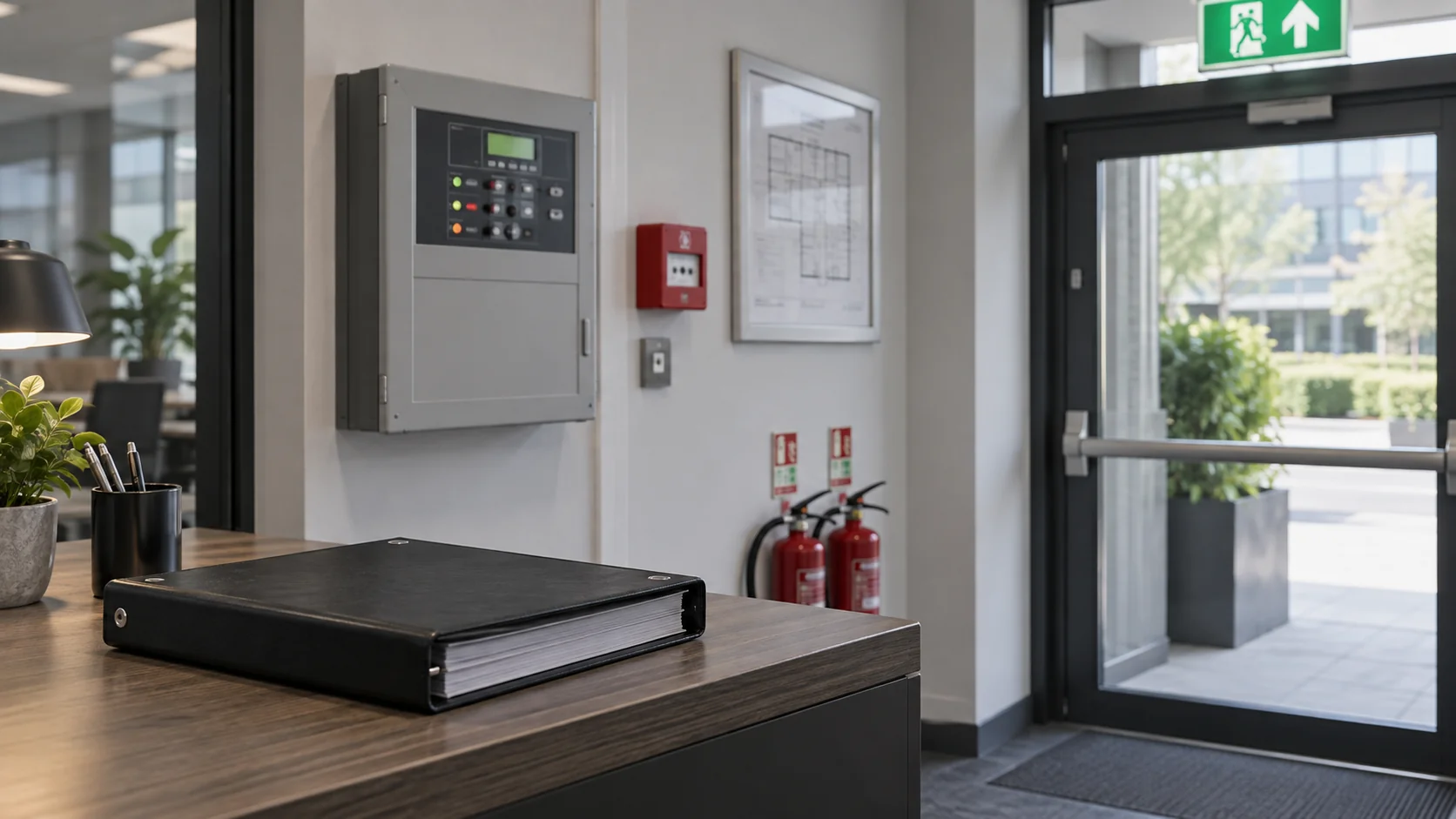
- Collect the alarm, lighting and fire-equipment check records.
- Record drills, training and any false alarms.
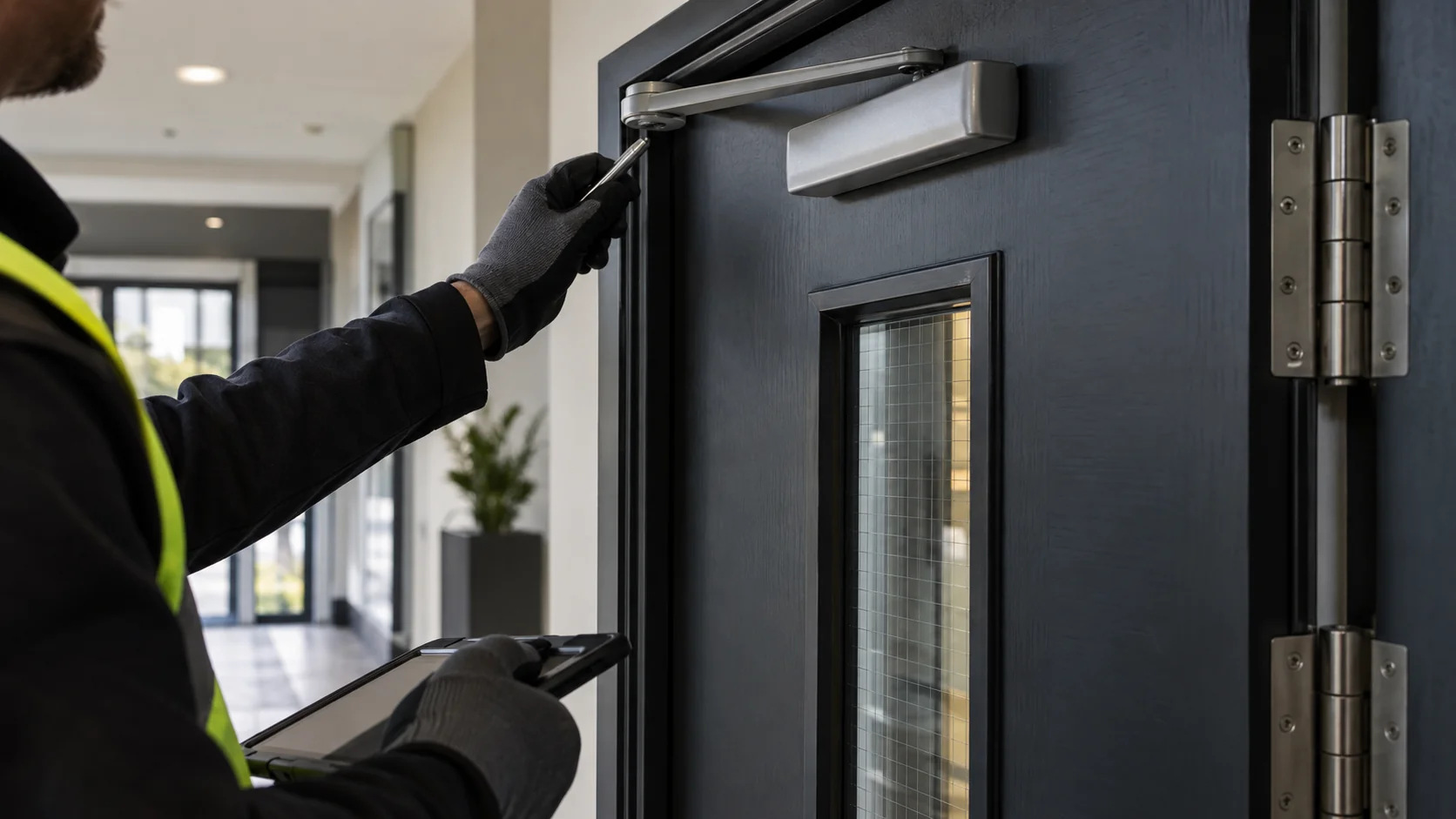
- Keep service paperwork with the defects it identifies.
- Show who is progressing each fire-risk-assessment action.
Plan the next decision
Treat the book as an organised record that needs review. Follow up tests that were missed, faults that return and actions with no completion evidence.
Establish who can authorise work, the access arrangements and the result needed. Use competent advice and property-specific information for safety, security or compliance questions.
Records and follow-up
Keep the original instruction with findings, work details and supporting completion documents. Anything left open needs someone to arrange the next step and a date to check progress.
Related work
Find the relevant commercial route and maintenance options, or contact the responsible business about the checks, records or remedial work needed at your property.
Source
Refer to current official guidance for background on responsibilities. Check that the current requirements apply to your premises before relying on general guidance.
Frequently asked questions
Should faults and actions be recorded alongside checks?
Yes. Link a reported defect to the action taken and any outstanding follow-up, so the responsible person can see what remains unresolved.
Can the logbook be kept digitally?
It can be organised digitally, provided the responsible team can keep it current and make the relevant information available. Agree ownership and access.