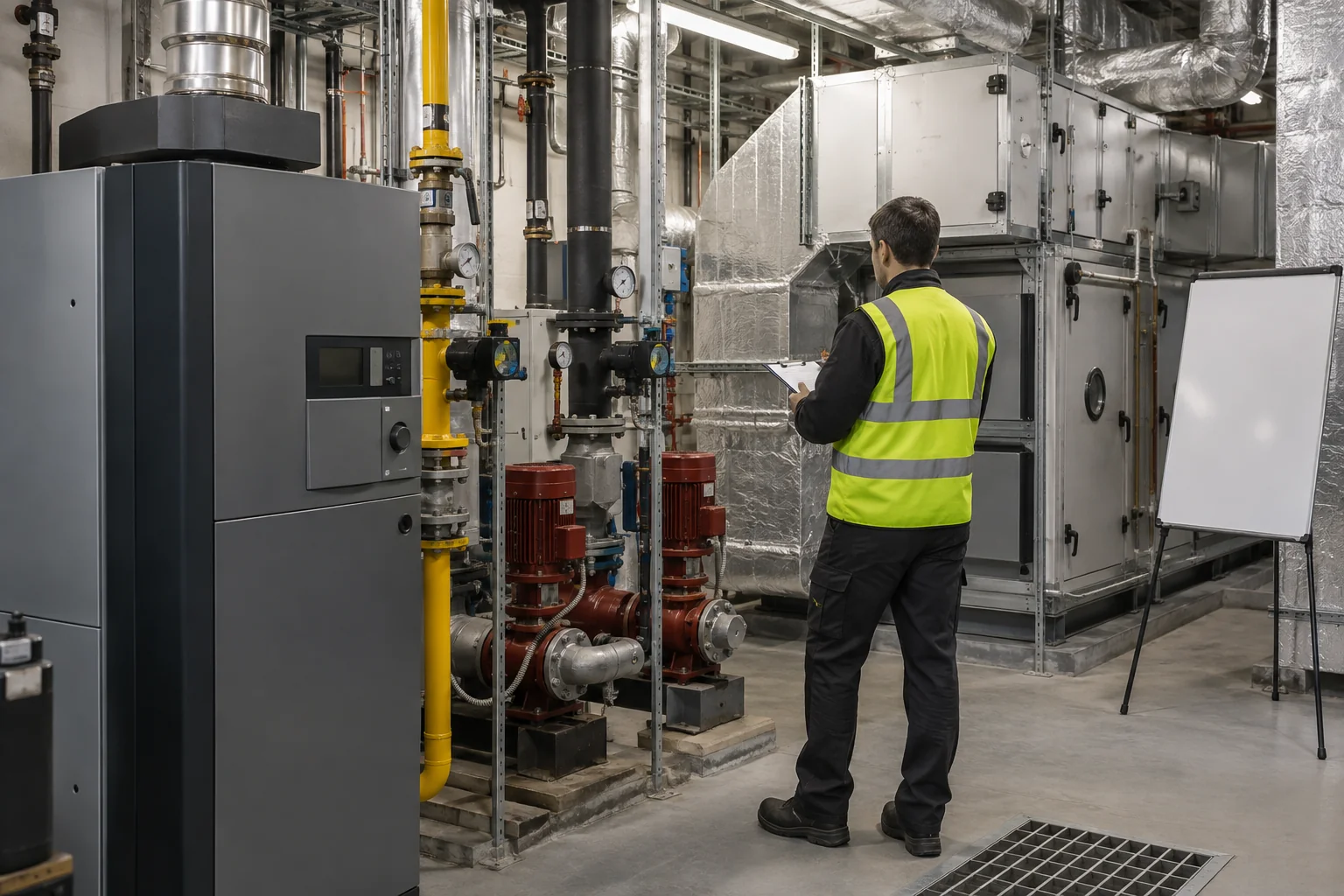
Check the list against reports and work records. Confirm the location, link duplicates and find out whether jobs still marked open have actually been finished. Keep evidence of corrections so unresolved repairs are not lost during tidying.
Record what will move each item forward
For each job, include:
- The address and equipment or area affected.
- What needs doing and where the requirement came from.
- The effect on use and any technical findings.
- Its priority and required action date.
- Who is arranging the next step and the current position.
- Whether an estimate or quote is needed, received or approved.
Make statuses useful. If approval is pending, say whose decision is needed and what they are approving. If parts are ordered, record delivery information and the plan for returning to fit them.
Prioritise by consequence
Do not choose solely by how long a job has waited. Consider safety, deadlines, loss of important services, continuing damage and the people affected. Seek competent technical advice where the findings require it.
A small finishing defect may wait while a new essential-service problem is addressed. Temporary arrangements still need tracking until the final repair is done. Moving a job into next year’s budget does not remove its effects now.
HSE's maintenance guidance explains maintaining work equipment and acting on damaged or faulty items. Adding a fault to a list does not make it acceptable to keep using defective equipment.
Make a deliverable work programme
Combine compatible jobs by location, trade and access where practical, checking parts and approval before booking. Some items first need a survey or diagnosis; others need a planned replacement scope rather than an ordinary repair visit.
Keep regular upkeep going while dealing with old jobs. Ignoring it can create the next backlog. Look at repeated faults together to see whether individual repairs have left a wider cause unresolved.
Measure progress honestly
Compare jobs finished with new items, significant overdue work and delays waiting for decisions or resources. Many small closures do not necessarily mean the most important property problem has been addressed.
Check the agreed completion evidence and keep follow-on work linked. A visit, quote or temporary fix may be finished while the original repair requirement is still outstanding.
Common questions
Is a backlog the same as overdue maintenance?
They differ. A backlog includes unfinished identified work; overdue maintenance has passed the date it was required. Show both the status and timing.
Should we clear the oldest jobs first?
Use consequences, deadlines and technical importance as well as age. Older records may need checking, investigation or a new instruction before work can be arranged.
Can a backlog be reduced by deleting duplicates?
Yes, where they really describe the same issue. Keep their useful history with the remaining job and avoid losing a different item or a later return of the problem.
Related reading and services
Read What Should a PPM Schedule Include?, then explore Corrective Maintenance, Building Fabric, Minor Works or Planned Replacement for the type of work needed.
Browse all maintenance, services, projects, sectors and locations. To Make an enquiry, send the outstanding jobs and explain what is preventing them moving forward.