Your property brief
Mechanical Fault Finding
Recurring trips, vibration, poor flow, overheating, leaks or inconsistent performance call for an evidence-led investigation. Record what happens, when it begins and whether other equipment changes at the same time. A symptom at one component can originate in its supply, controls or connected system.
Discuss this service
What the work can include
Work includes reviewing history, identifying the affected equipment, checking relevant operating conditions and carrying out the agreed diagnostic tests. The findings explain the fault identified, the evidence supporting it and the next action. Where further investigation is needed, the report states the unresolved question and its practical consequence.
The instruction identifies the service boundaries and the information expected at completion. Any additional finding receives a clear next action, so a completed visit does not hide work still required elsewhere in the system.
We provide every service in our catalogue, including the individual services within each trade, for all sectors and locations listed on this website. Tell us what your property needs so we can agree the work, access and timing.
Important technical decisions
A diagnostic visit is different from an instruction to replace a named part. Repeatedly resetting equipment or changing components can hide the pattern without addressing the cause. The scope should provide enough access and operating context to distinguish mechanical defects from control commands, supply problems or unsuitable duty.
Intermittent faults may not occur during a short visit. Alarm history, timing and observations can guide a planned test or monitoring period. Record the conditions under which equipment behaved normally as well as those producing the fault, so the next decision rests on useful evidence.
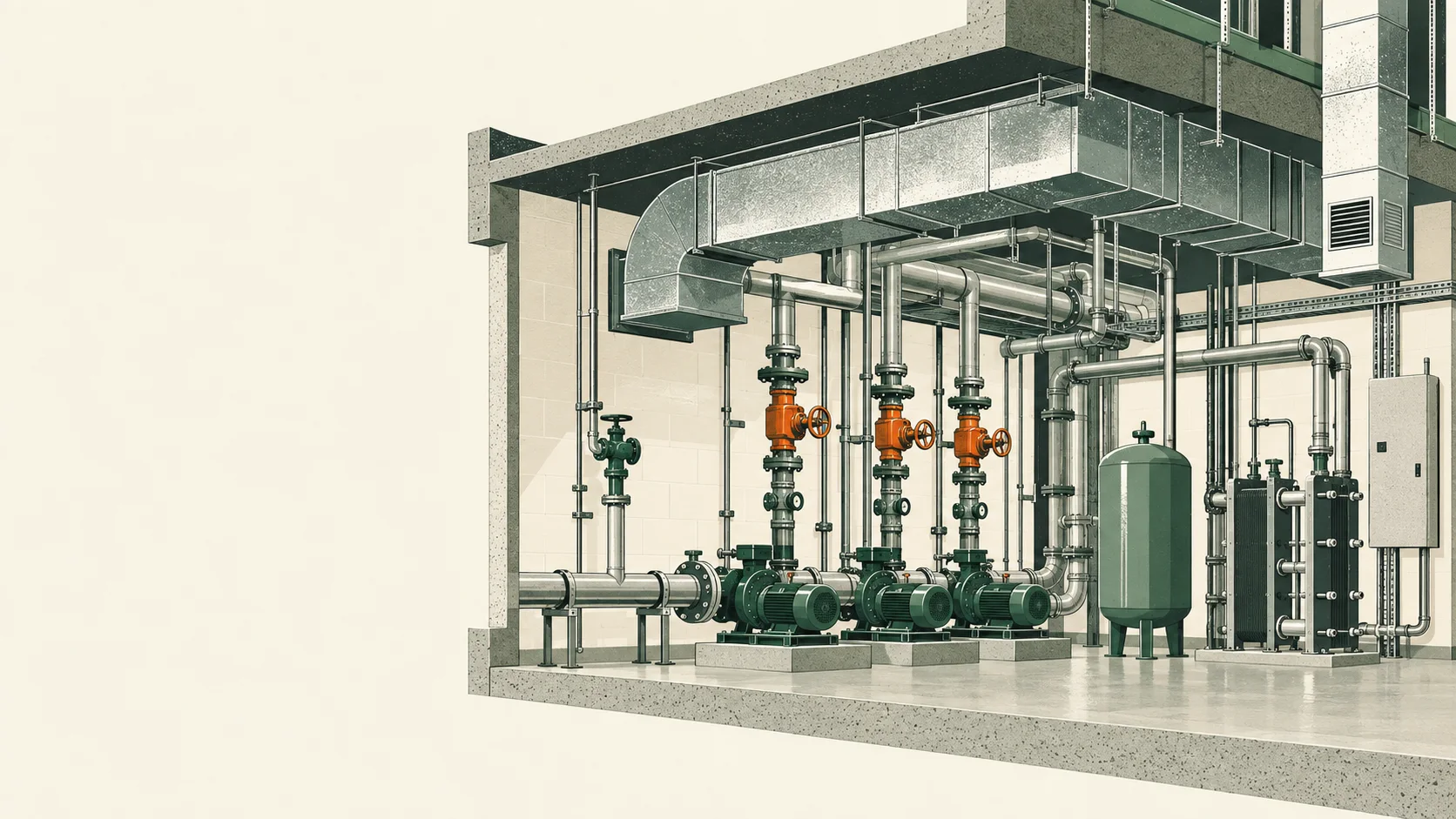
A closer look at the property brief.
The work starts with the property.Before we visit
Send the address, equipment label, visible symptoms and the time pattern. Explain who controls shared plant and whether the problem affects neighbouring rooms or units. Provide access permissions and the person who can approve further diagnosis or a repair once the findings are known.
Photographs from normal accessible positions help explain the equipment and working space. Do not remove covers to obtain them. Tell us about tenant availability, protected finishes and the route through the building before arranging the visit.
How the work proceeds
We define the reported problem, review available records and investigate the relevant equipment and interfaces. Findings support a targeted repair, further test or planned replacement. The completion record separates what was demonstrated from what remains unresolved and identifies any operating restrictions.
The property instruction identifies the affected rooms, any shared-service permissions and the person approving additional work. At handover, the owner receives the practical operating information and a record to pass to the next occupier or maintenance contractor.
What affects cost and timing
Access, equipment complexity, fault repeatability and the need for specialist testing affect the diagnostic scope. A dependable repair price may follow the initial investigation. Agree the initial task and reporting requirements so diagnostic time leads to a clear next decision rather than an unexplained list of parts.
Agree occupant notices, access, protection and making good alongside the mechanical task. Where the owner is remote, nominate a local contact and a clear approval route so a finding during the visit can receive a prompt, informed decision.
Property and sector applications
Managing agents need equipment responsibility and repair authority recorded. Residential blocks need individual premises distinguished from shared plant. Retail and hospitality need work coordinated with occupants, stock and customer areas. Our full service and project offering supports all sectors, from targeted equipment work to coordinated alterations within a property.
Local coverage
We cover Northumberland, Tyne and Wear, County Durham and Tees Valley, including Berwick-upon-Tweed, Alnwick, Morpeth, Hexham, Newcastle, Gateshead, Sunderland, Durham, Darlington, Hartlepool, Stockton-on-Tees and Middlesbrough. View all locations.
For more than one property, provide the address and equipment details for each. Shared ownership does not mean every building has the same installation or access arrangements.
Frequently asked questions
Can you diagnose a fault that comes and goes?
Record its timing, alarms and operating conditions. Those details help plan observation or testing around the conditions that reproduce it.
Should the suspected component be replaced first?
Only when the evidence supports that repair. Similar symptoms can arise from different faults and connected-system problems.
Does a running machine mean the problem is resolved?
Not by itself. The relevant checks should address the reported fault and required duty, with any untested conditions recorded.
What if the fault belongs to shared equipment?
The findings identify that interface and the responsible owner's next action. Agree authority before extending a local property instruction into communal plant work.
Knowledge and guidance
Read mechanical plant maintenance and explore maintenance contract scope. Official guidance provides relevant technical context. Browse the Knowledge Centre for related system and maintenance information.
Related services and your next step
Explore Mechanical Services, Pumps and Motors, Planned Preventative Maintenance and Building Services Upgrades. Browse services, maintenance and projects.
Contact Black & White Property Services with the address, equipment details and symptoms or planned change. Include access and ownership information so the proposal covers both the technical work and its effect on your property.
Explore related pages
- Mechanical Installations
In this service category
- Plant Room Maintenance
In this service category
- Steam and Condensate Systems
In this service category